Blog

Home / Blog

Navigating Equine Health: IBD and FFW Syndrome Explained

North Bridge Equine team • November 4, 2025

Managing Complex Equine Conditions: From "Leaky Gut" to FFW Syndrome
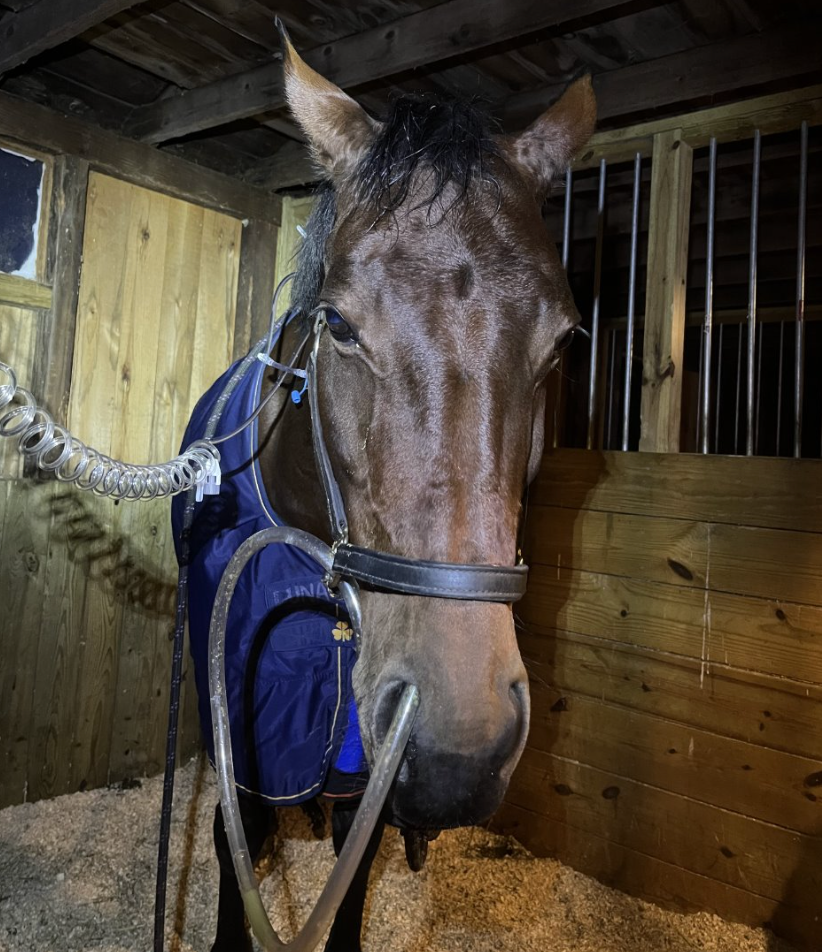
Understanding IBD in Equids: An Overview

Inflammatory Bowel Disease (IBD) in horses is characterized by an abnormal immune response to normal dietary, bacterial, parasitic, and environmental antigens. This results in the loss of tight junctions between intestinal cells and the mucus barrier, leading to the invasion of bacteria and gastrointestinal contents through the intestinal wall, commonly known as "leaky gut." This condition further involves the invasion of immune cells into the tissue, although the exact cause of this immune response remains unknown.

Diagnosis

Diagnosing IBD in horses typically involves a combination of techniques:

  • Biopsy: Rectal, duodenal, intestinal
  • Exclusion Methods: Abdominal/thoracic ultrasound, bloodwork, gastroscopy, abdominal fluid sampling, absorption tests

Clinical Signs

Affected horses may display a range of signs, including:

  • Mild recurrent colic
  • Inconsistent diarrhea
  • Weight loss
  • Poor condition
  • Severe acute colic

These symptoms are often due to disruptions in motility, malabsorption, poor nutrient utilization, and maldigestion, leading to issues like sugar overflow into the colon and strictures causing severe or recurrent colic.

Treatment

Management of IBD in horses typically involves:

  • Steroid Therapy: Administered in relatively low doses over a protracted or permanent course with very long tapers
  • Dietary Change: Small, frequent high-fiber meals, forage-based diets, complete feeds, hay/alfalfa pellets

IBD is largely under-diagnosed, and earlier detection and treatment can significantly improve symptoms and survival rates. Understanding and managing this complex condition can help maintain the health and well-being of affected horses.
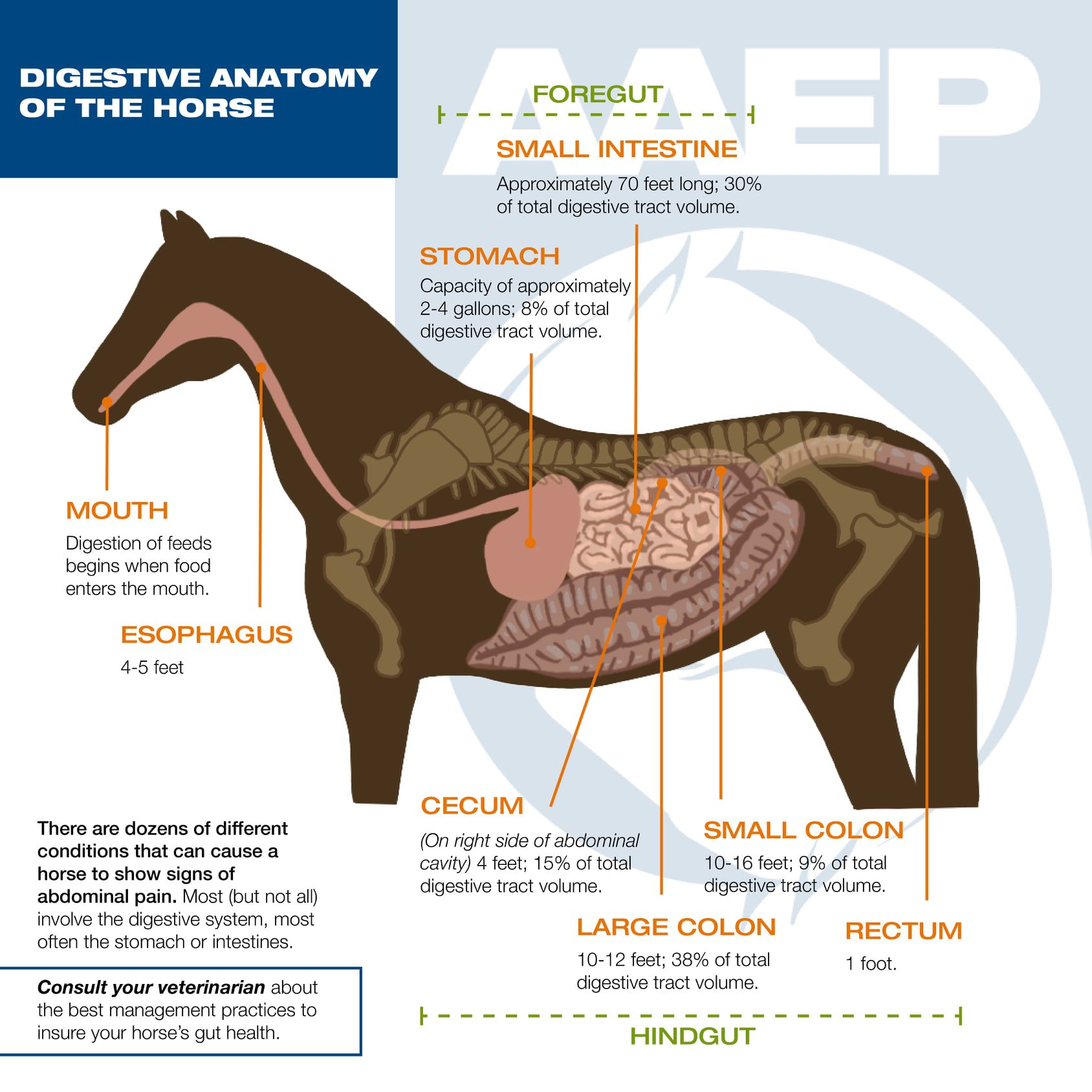
Free Fecal Water (FFW) Syndrome in Horses

Free Fecal Water (FFW) Syndrome is a condition that affects some horses, causing them to pass normal feces alongside water flowing from their anus. This phenomenon, while primarily a cosmetic issue, can lead to skin irritation and discomfort for the horse.

Causes and Research

Despite extensive research, veterinarians and scientists have not yet pinpointed a definitive cause for FFW. Multiple potential factors have been examined, but the root cause remains elusive.

Treatment and Care

There is no universal treatment or set of guidelines for managing horses with FFW. However, it's crucial to address all possible disruptions in the gastrointestinal (GI) tract, including social stress. Some treatment options include:

  • Adjusting Turnout Groups: Changing or reducing the size of the turnout group can alleviate stress.
  • Dietary Modifications: Gradual changes to the diet can be beneficial. Some horses respond well to free-choice hay, while others do better on chopped hay, hay pellets, or chaff. Adding psyllium husk or table salt (0.5 to 2 tablespoons per day) may also help.
  • Medications and Supplements: Testing various medications and supplements, under veterinary supervision, can provide insights into what helps reduce fecal water.

Additionally, some horses show improvement with less bulk or long-stem forage in their diet, the addition of omega-3 fatty acids to support normal inflammatory responses in the gut, and the stabilizing effects of baker's yeast.

Managing Skin Health

Because FFW can cause the hind legs and tail to become chronically wet and dirty, it's important to maintain the cleanliness and dryness of these areas to prevent skin lesions. Applying petroleum jelly can serve as a protective barrier for the skin.

While FFW is fairly common and generally considered a minor issue, it's important for horse owners to be vigilant in managing the condition to ensure their horse's comfort and well-being. By exploring various treatment options and maintaining good hygiene practices, the impact of FFW on a horse's health and quality of life can be minimized.

Recent Posts

By North Bridge Equine Team November 4, 2025
Learn about our winter educational seminar and how to register
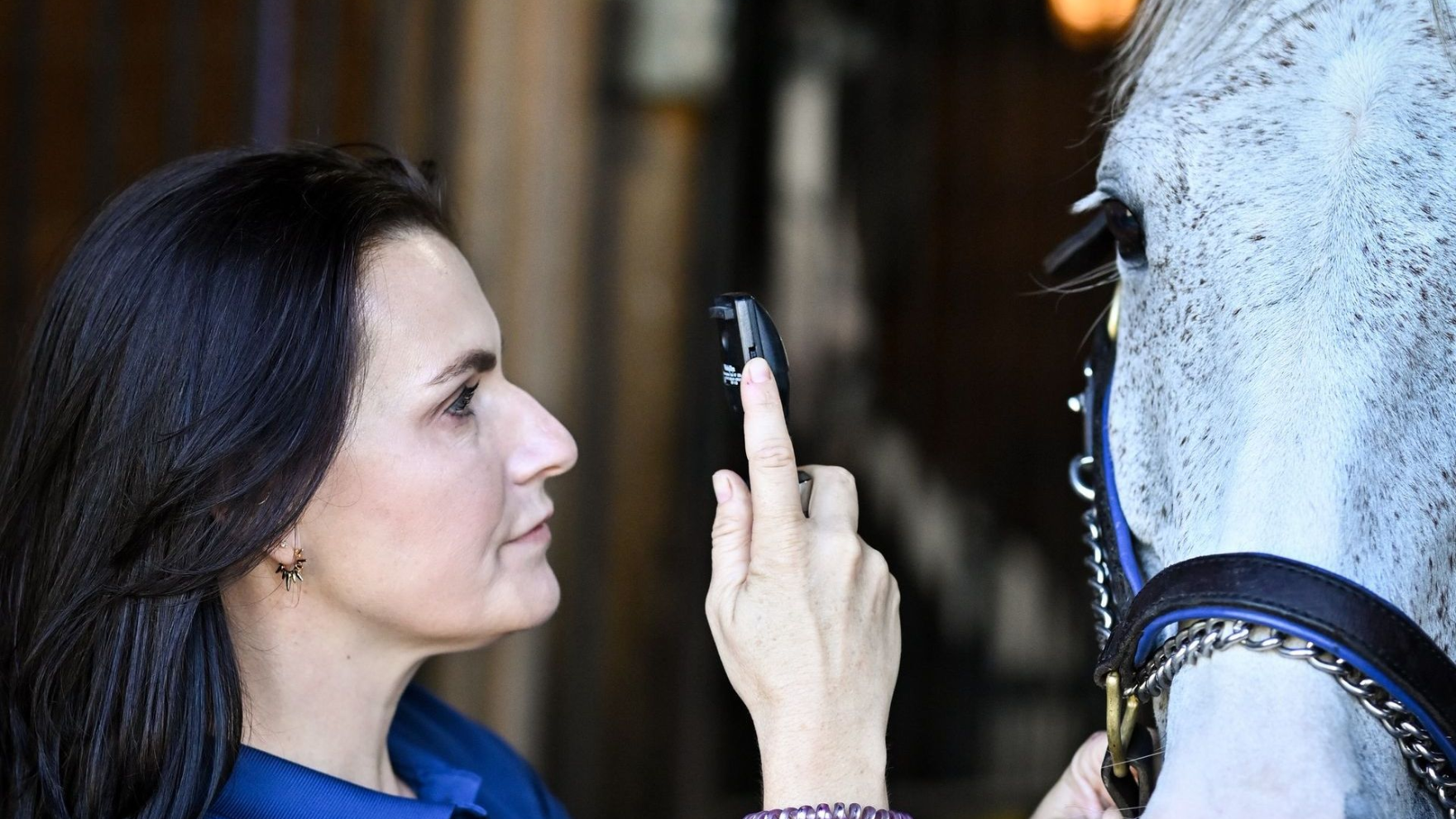
An equine veterinarian examining a horse's eye
By The NBEA Team October 21, 2025
A blog post by NBEA about equine eye health and the things for horse owners to be aware of and pay attention to regarding the health of their horse's eyes.
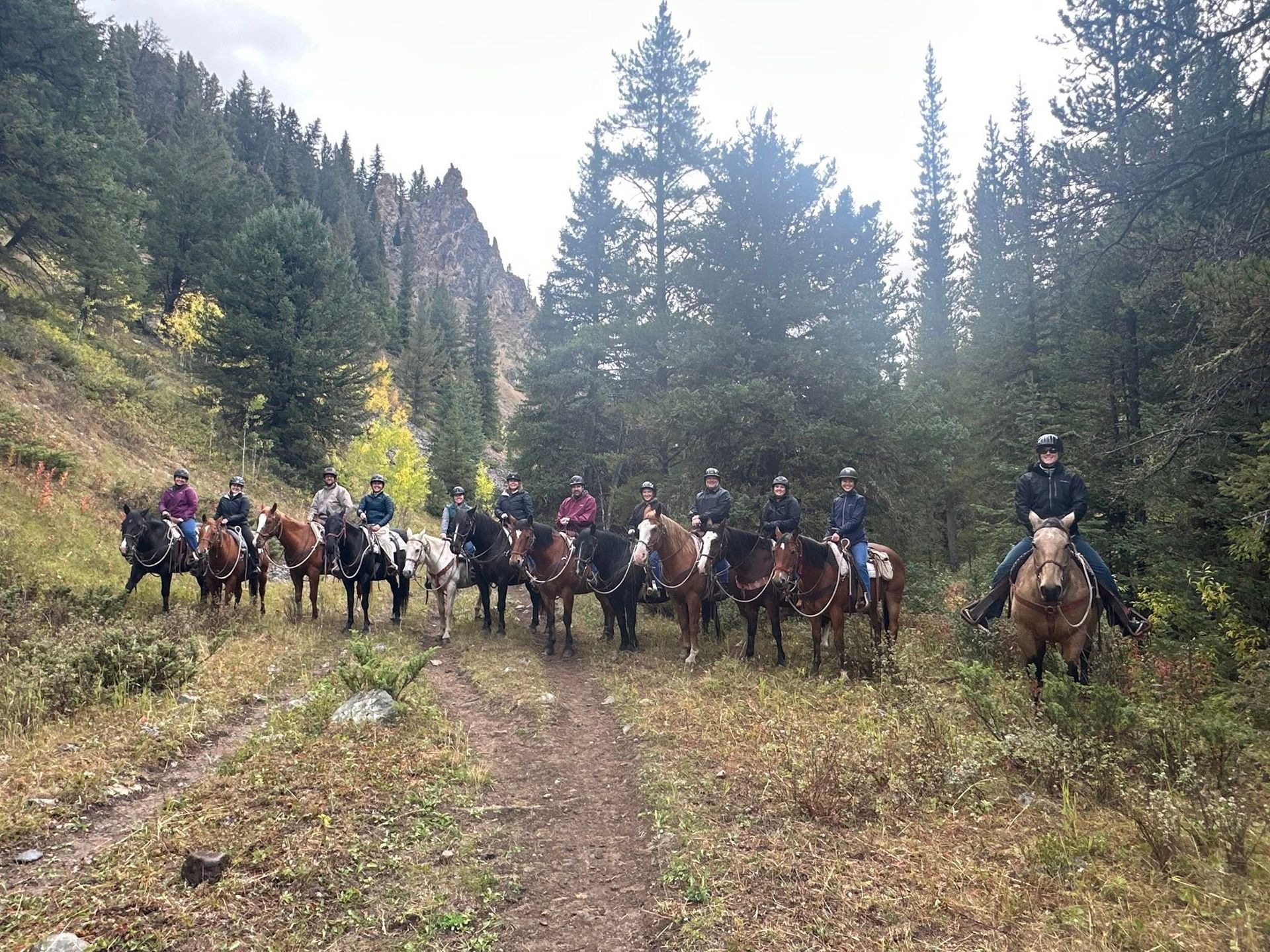
Decade One participants on a trail ride in Montana
By NBEA Team October 3, 2025
Caring for horses takes a team—and at the center of that team are equine veterinarians. But the reality is that many vets leave equine practice within their first 5–10 years. Long hours, emergency calls, and the stress of running a business can make it difficult for even the most passionate doctors to stay in the field. For horse owners, that means fewer veterinarians to call on, longer waits for appointments, and the risk of losing trusted relationships just when horses need care the most. Decade One was created to change that.
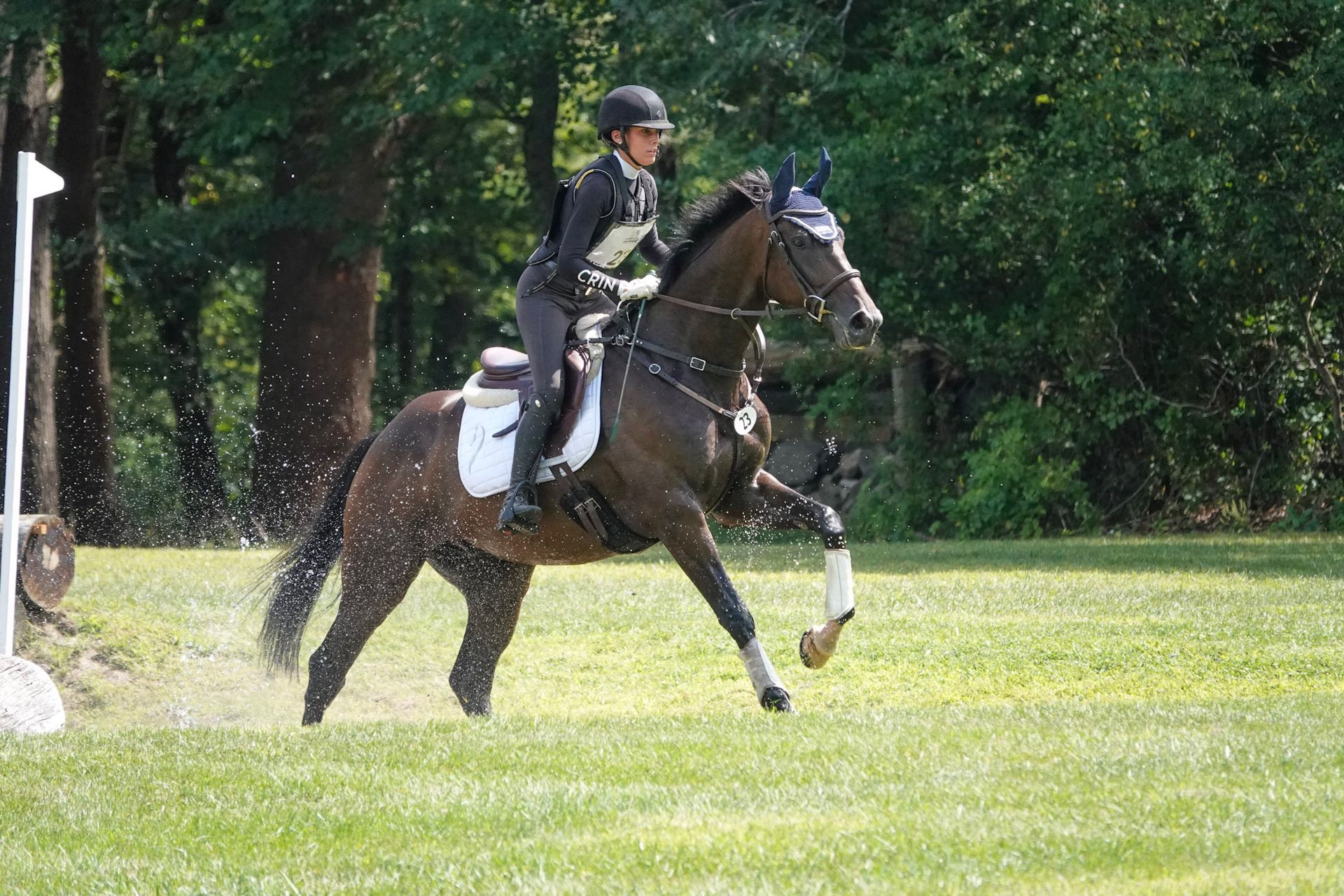
Sponsored riders Julia Grella and Adrienne Iorio update us on their Retired Racehorse Project horses
By NBEA Team September 2, 2025
Weekend Wins and Big Plans Ahead
By NBEA Team August 28, 2025
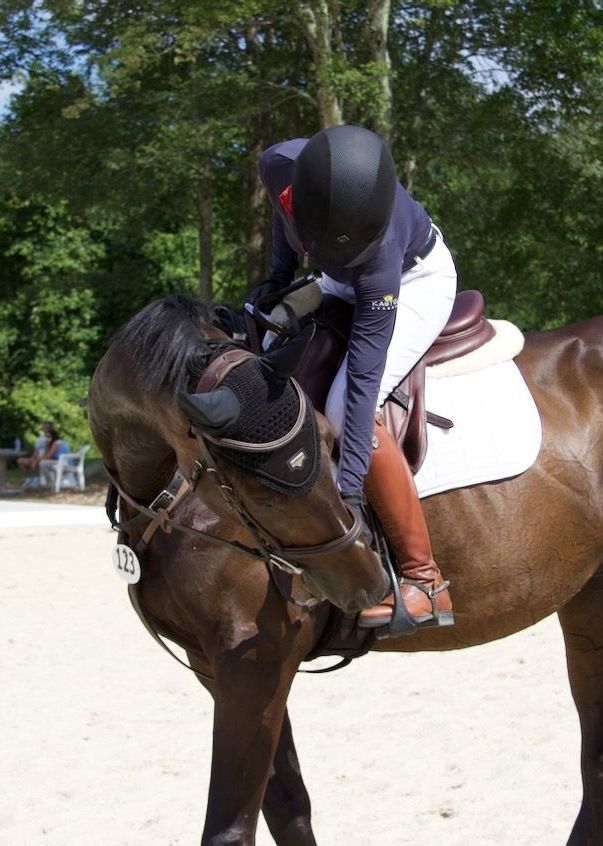
Retired Racehorse Project sponsored rider discussed IM Adequan benefits seen in her young horse
By NBEA Team August 20, 2025
What to look for, how to treat simple wounds, and when you should call the vet
By North Bridge Equine Team June 18, 2025
In the heart of Apple Knoll Farm, two dedicated horsewomen and long-time clients of NBEA, Adrienne Iorio and Julia Grella, are embarking on an extraordinary journey—one filled with transformation, determination, and the undeniable spirit of the Thoroughbred. Their partners in this challenge, Jasmine (Caribbean Night) and Gus (Magnetic Appeal), are no strangers to the competitive world. Once fierce contenders on the racetrack, these athletic Thoroughbreds are now stepping into a new chapter, where training meets trust, and a second career takes shape. Through the 2025 Retired Racehorse Project Thoroughbred Makeover, they will evolve into polished competitors, their talents shining brightly on the grand stage of Kentucky Horse Park this October. But this isn’t just about competition—it’s a celebration of possibility. The Thoroughbred Makeover, hosted by the Retired Racehorse Project (RRP), is the largest Thoroughbred retraining event in the world, proving time and time again that these horses are more than their race records. With disciplines ranging from dressage and show jumping to ranch work and eventing, the Makeover showcases their adaptability, heart, and limitless potential for success beyond the track. Meet the Stars of the Journey: Caribbean Night ("Jasmine") – A 2019 mare by Cross Traffic, Jasmine left her mark on the racing world with 28 starts, 3 wins, 7 seconds, and 4 thirds, earning $67,416 along the way. Magnetic Appeal ("Gus") – A 2021 gelding by Enticed, Gus showed promise with 12 starts, 2 wins, 1 second, and 1 third, securing $24,400 in earnings before finding his way to this exciting new challenge. As we cheer on Adrienne, Julia, Jasmine, and Gus, we celebrate not just their hard work, but the incredible journey of all off-track Thoroughbreds that make up a large percentage of the horses that we work with and support—their resilience, their versatility, and their boundless future beyond the track.
By North Bridge Equine Team May 30, 2025
An overview on what Functional Electric Stimulation is and how it helps equine athletes and companions.
By Stephanie R. Shen, DVM March 24, 2025
Learn about vaccines and wellness exams and why both are important for your horse.
By Stephanie R. Shen, DVM February 24, 2025
Discover the remarkable story of Penny, an 18-year-old chestnut Quarter Horse mare, who defied the odds to regain her soundness after a severe leg injury. Follow her inspiring journey from a crippling diagnosis to a triumphant recovery, all thanks to Dr. Shen's innovative care and unwavering dedication. Penny's story is a testament to resilience, hope, and the extraordinary bond between a horse and her vet.