Blog

Home/ Blog

Decade One: Keeping Passionate Equine Vets in Practice for the Long Haul
NBEA Team • October 3, 2025

Caring for horses takes a team—and at the center of that team are equine veterinarians. But the reality is that many vets leave equine practice within their first 5–10 years. Long hours, emergency calls, and the stress of running a business can make it difficult for even the most passionate doctors to stay in the field.

For horse owners, that means fewer veterinarians to call on, longer waits for appointments, and the risk of losing trusted relationships just when horses need care the most.

Decade One was created to change that.

What is Decade One, you ask?

Founded in 2015 by Dr. Amy Grice after decades as an ambulatory equine practitioner, Decade One was designed to give young veterinarians the tools, community, and encouragement they need to build long and successful careers in equine medicine.

Instead of focusing on clinical skills (which veterinary school already covers), Decade One helps early-career vets with the real-world challenges of practice: business decisions, financial planning, leadership, communication, setting healthy boundaries, and finding balance in a demanding career.


How It Works

Decade One brings veterinarians together in small groups, called cohorts, that meet regularly over the course of three years. These gatherings—both in person and online—give doctors a chance to:

  • Learn about the business side of veterinary medicine
  • Share experiences and advice with peers who face the same challenges
  • Build relationships that last long after the program ends

This supportive network means that when your vet faces tough situations—whether it’s pricing services, handling emergencies, or balancing the demands of practice—they have resources, mentors, and colleagues to lean on.


Why This Matters for You and Your Horses

For horse owners, Decade One’s impact is far-reaching:

  • More vets in practice means better access to care when you need it.
  • Healthier, supported veterinarians can focus on what matters most—your horse’s wellbeing.
  • Stronger veterinary practices are able to stay open, serve their communities, and invest in the latest medicine and technology.

In short, Decade One helps ensure that you’ll continue to have skilled, motivated, and available equine veterinarians in your community for years to come.


At North Bridge Equine, we’re proud to be part of this important movement. Dr. Nostrant and Dr. Shen were part of the first Decade One groups, Dr. Cory is currently participating, and now Dr. Nostrant is serving as a facilitator for the third generation of veterinarians coming through the program.

That means our team isn’t just providing care today—we’re helping build the future of equine veterinary medicine. And ultimately, that’s a win for the horses, the owners, and the entire equine community.


To learn even more about Decade One, visit the website:
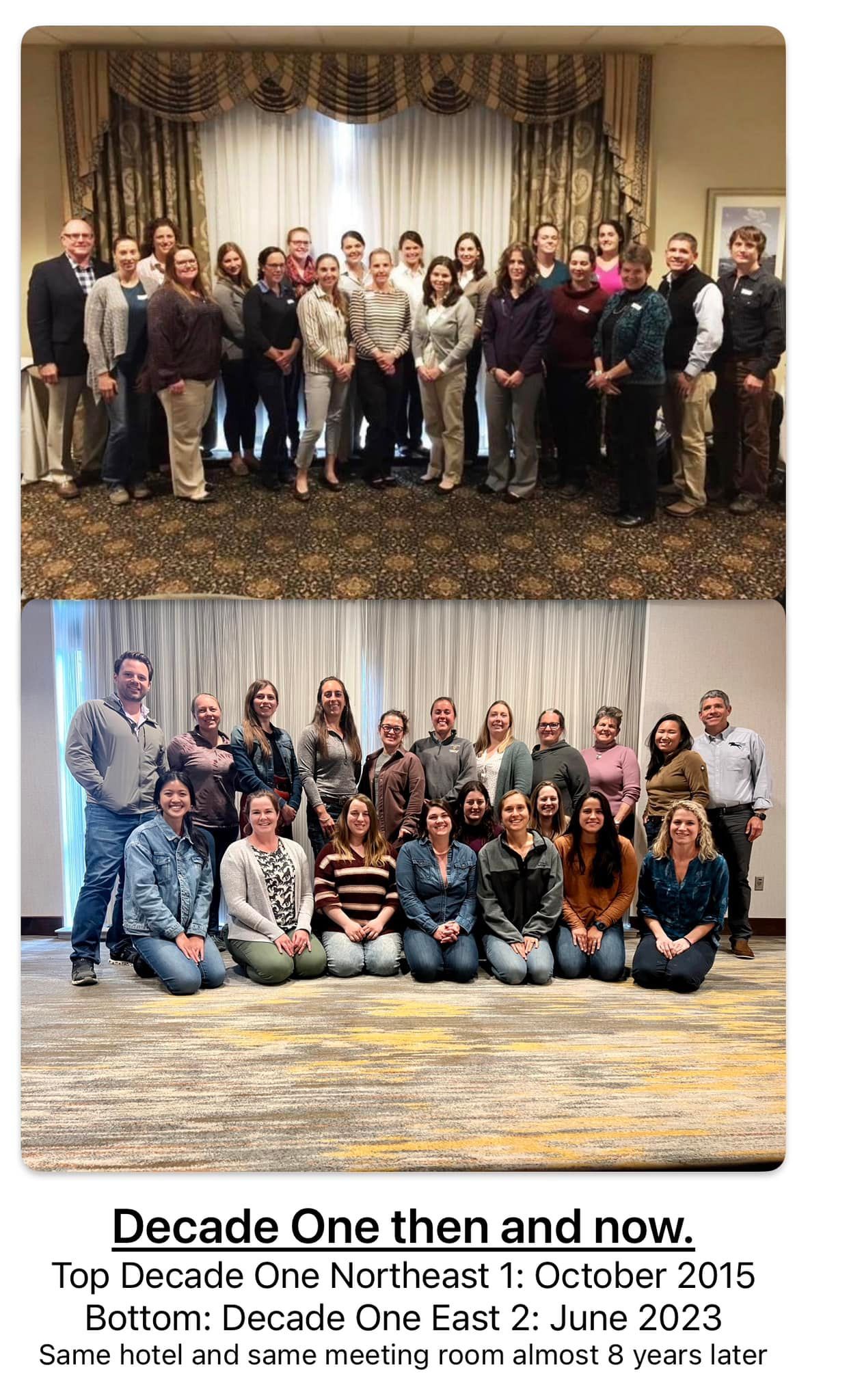
https://www.decadeonevet.com/

Recent Posts

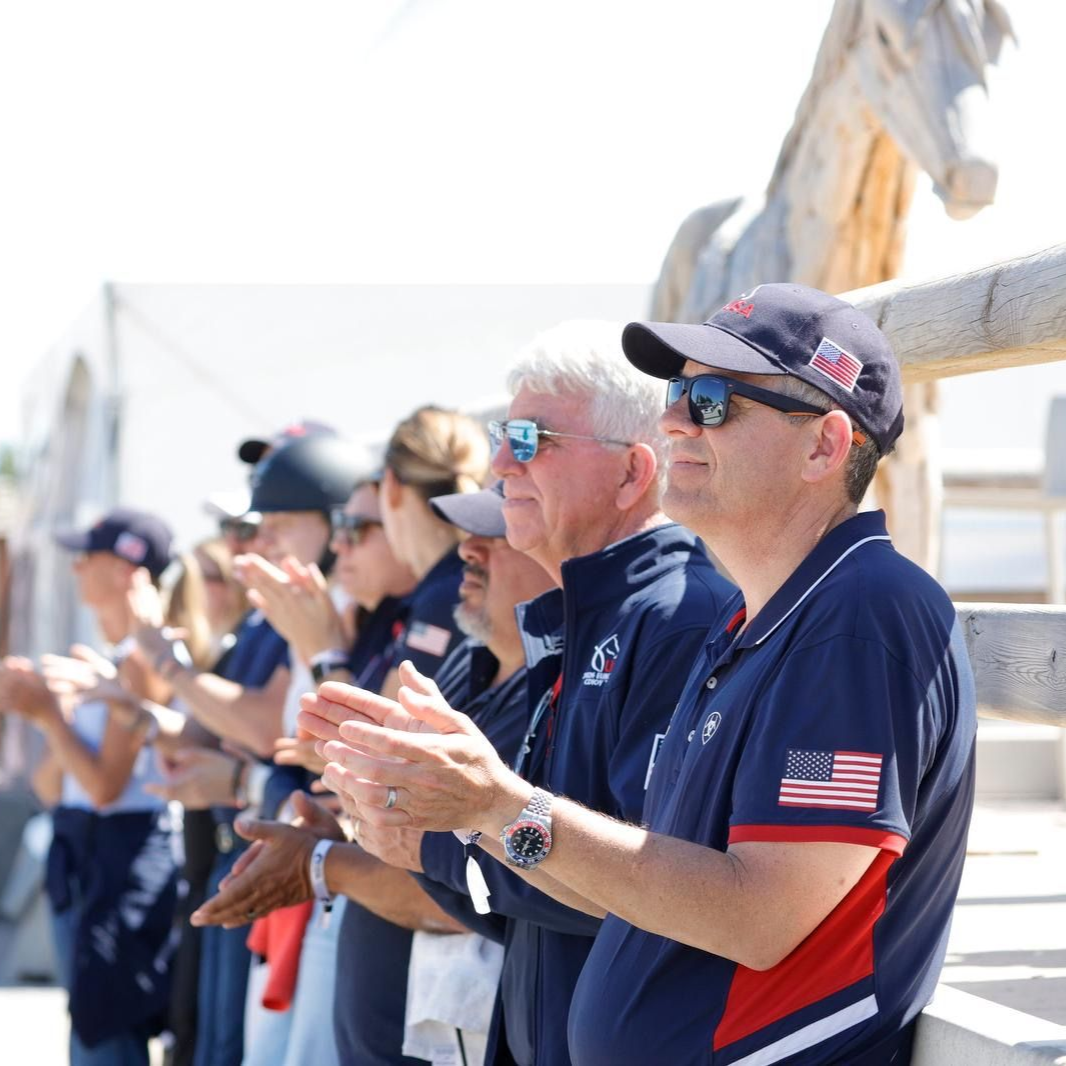
Dr Fred Nostrant USEF team veterinarian applauding rider performances with the rest of the team
By Fred Nostrant, DVM August 10, 2026
Follow the 2026 USEF Young Rider European Tour in Belgium as Dr. Fred Nostrant shares behind-the-scenes insights into elite horse care and international dressage.
North Bridge Equine veterinarian performing chiropractic adjustment on a performance horse
By Fred Nostrant, DVM August 3, 2026
Learn how equine chiropractic care and spinal manipulation can help horses with back pain, neck pain, stiffness, performance issues, and mobility restrictions. Discover the benefits, risks, and what to expect during a chiropractic evaluation.
Equine stifle joint X-ray showing the femur, patella, and tibia in a horse’s hind limb.
By The North Bridge Equine Team June 11, 2026
Learn how the horse’s stifle joint works, common signs of stifle problems, and treatment options including joint injections, IRAP, shockwave therapy, and Adequan from an equine veterinarian.
By North Bridge Equine April 13, 2026
Pasture Management for Springtime Grass After months of barren ground or snow covered fields, we are slowly starting to see the gorgeous signs of spring in New England once again. The horses are shedding and eagerly awaiting any chance they have to nibble some delicious green grass. Below we provide very helpful guidelines for the slow controlled introduction to keep our horses safe and healthy. Horses that always live outside have the benefit of mother nature's slow introduction to grass as it grows through the first weeks of spring. Horses living in stalls with only partial day turnout have to be more strictly controlled in their introduction to pasture to prevent the serious trouble that can occur with too much fresh grass too quickly. Over indulgence in grass can result in gas colic and laminitis. So what can you do to protect your horse from the potential hazards of too much grass too quickly? Here are guidelines to assist you in coming up with a pasture introduction plan: Horses on 2-12 hours a day of pasture: If you have limited pasture but still want your horse to reap the benefits of daily turnout you probably fall into this category. Most horses in a boarding situation with access to grass will be in this group. Take care to closely follow a pre-determined time scale of introduction for these horses. We recommend the following graduated schedule: Days 1-3: 20 min/day Days 4-6: 1hr/day Days 6-9: 2 hrs/day Days 10-12: 3 hrs/day Day 13 and beyond: unlimited in horses who are not overweight or sensitive. You can also use a grazing muzzle (see below) if you need to introduce pasture more rapidly. With a grazing muzzle you can add 20 min per day of turnout until on full turnout. Once on full turn out keep muzzle on for about a week then alternate every other day for a week then it should be safe to remove the grazing muzzle.
Overweight horse with cresty neck and regional fat deposits, illustrating common signs of EMS
By The NBEA Team March 1, 2026
Equine Metabolic Syndrome (EMS) is a common cause of laminitis linked to insulin dysregulation. Learn the signs, diagnosis, and practical management strategies to help your horse stay healthy, comfortable, and thriving with thoughtful veterinary guidance.
By Stephanie R. Shen, DVM February 24, 2026
Learn about vaccines and wellness exams and why both are important for your horse.
Sport horse and rider jumping a green show fence during competition, showing athletic performance
By Fred Nostrant, DVM December 30, 2025
Suspensory ligament injuries in sport horses explained—recovery timelines, rehab expectations, and when it’s safe to return to competition.
Sport horse and rider jumping over a cross country jump in a field
By Stephanie Shen, DVM December 23, 2025
Explore targeted treatments for back pain in performance horses, including diagnosis, therapy options, and strategies to support long-term soundness.
By Stephanie Shen, DVM November 4, 2025
Understand equine IBD and free fecal water syndrome, why they occur, what signs to watch for, and how these conditions are managed.
By North Bridge Equine Team November 4, 2025
Learn about our winter educational seminar and how to register