Blog
Equine Chiropractic: Benefits, Risks, Signs Your Horse May Need Treatment, and What to Expect
At North Bridge Equine, we integrate chiropractic care, also known as spinal manipulation, into a comprehensive approach to performance, rehabilitation, and wellness care. Horses of all ages and disciplines—from elite athletes to pleasure horses—may benefit when treatment is appropriately integrated into their overall wellness plan.
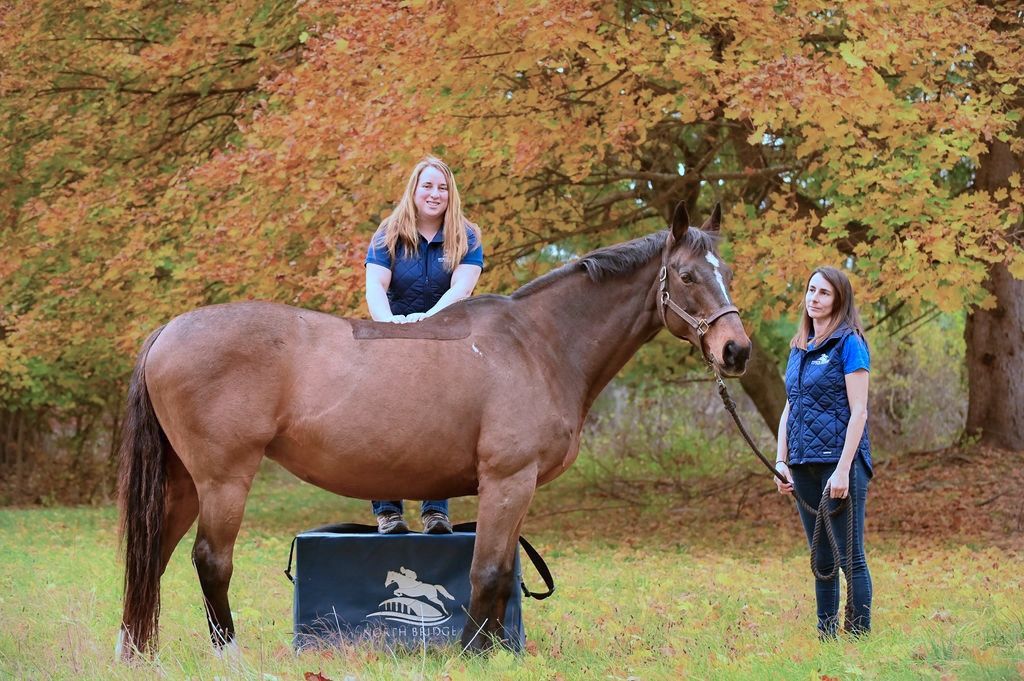
As horse owners, we recognize obvious signs of injury like lameness, swelling, or acute pain. However, many musculoskeletal problems develop gradually and are subtle. A horse may become resistant to certain movements, struggle with collection, lose flexibility, or show unexplained declines in performance.
In some cases, these changes are associated with restricted motion within the spine, pelvis, or other joints.
Equine chiropractic care encompasses specialized techniques, including spinal manipulation and joint mobilization, used to evaluate and address musculoskeletal dysfunction. The goal is to improve movement quality, comfort, and overall function by restoring normal joint motion and reducing compensatory movement patterns.
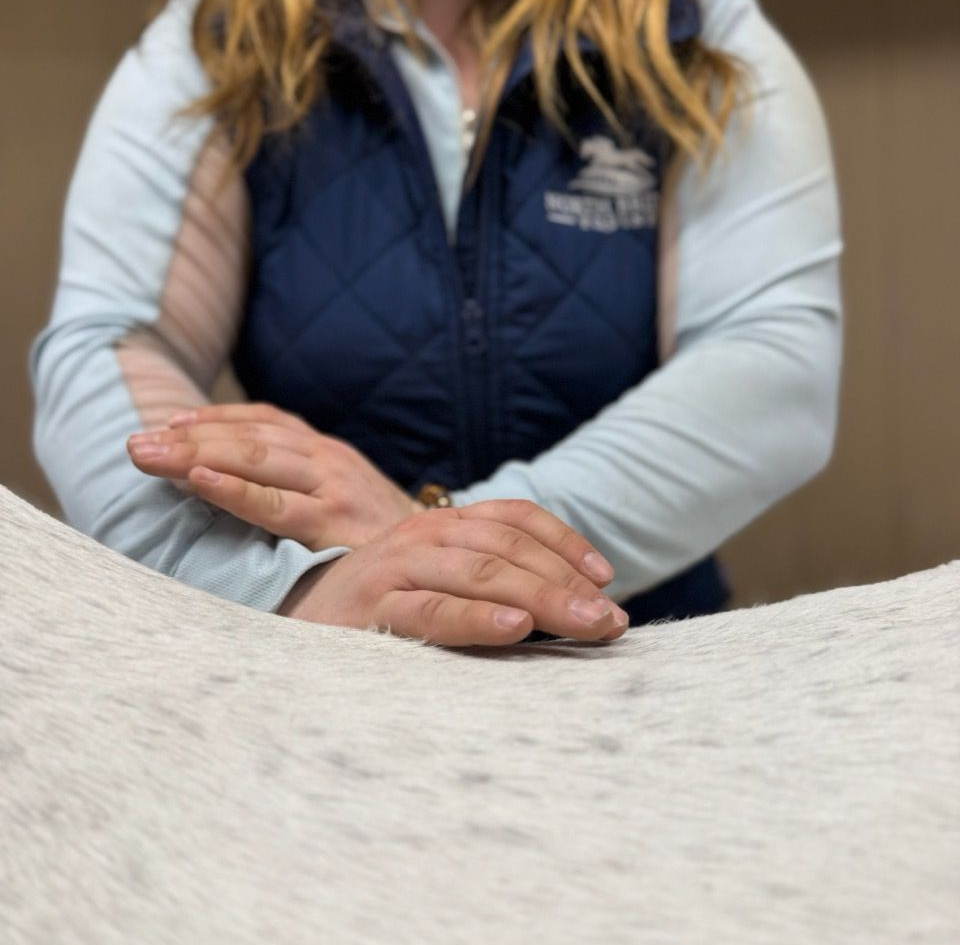
How Does Equine Chiropractic Care Work?
Joints are designed to move within a normal range of motion. Injury, inflammation, muscle tension, compensation patterns, and age-related changes can all contribute to restricted movement, affecting comfort, flexibility, and performance.
Chiropractic care addresses these restrictions through two primary techniques:
Joint Mobilization
Joint mobilization involves gentle, repetitive movement of a joint through its available range of motion. This technique improves flexibility, reduces stiffness, and encourages normal movement.
Joint Manipulation
Joint manipulation uses a precise, controlled force applied to a specific joint to address areas of restricted motion. The purpose is not to force a joint beyond its limits, but to restore normal movement patterns within its natural range.
Together, these techniques aim to improve overall mobility and support healthy biomechanics throughout the body.
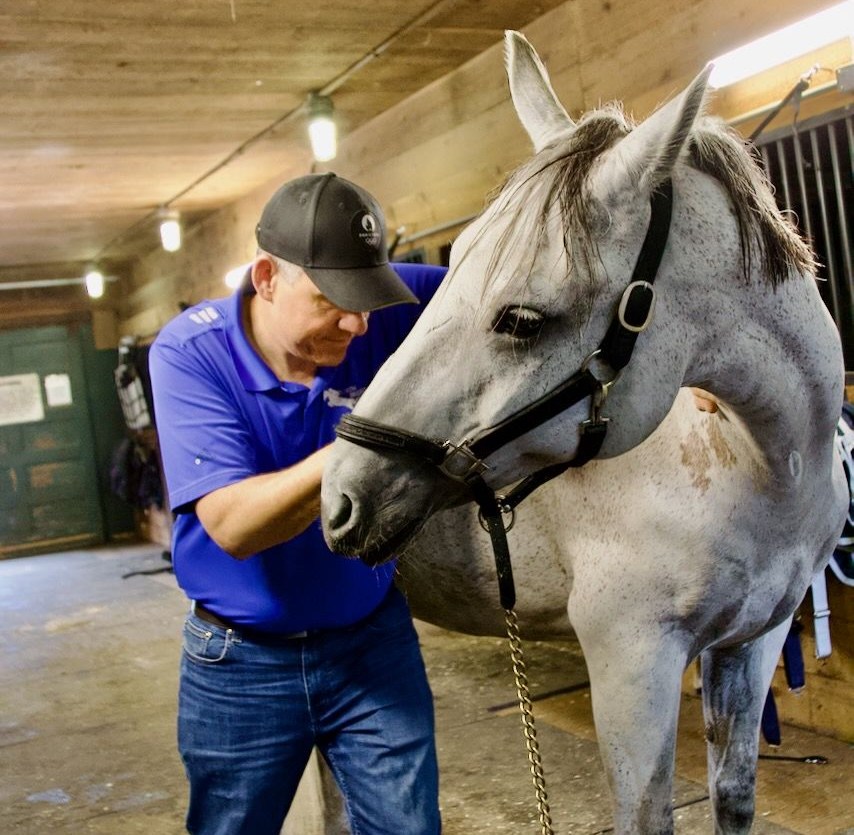
What Signs Suggest My Horse May Benefit From Chiropractic Care?
Many horses show subtle signs of discomfort or movement restriction, including changes in performance, attitude, and physical comfort, long before a significant injury becomes apparent.
Consider an evaluation if your horse shows:
- Reduced flexibility or resistance to bending
- Difficulty picking up or maintaining leads
- Changes in performance or attitude under saddle
- Poor topline development
- Sensitivity during grooming or saddling
- Neck or back stiffness
- Muscle tension or spasms
- Difficulty standing square
- Pelvic asymmetry
- Whole-body stiffness
- Unexplained gait irregularities
- Recurring mild lameness
- Resistance during training
- Difficulty engaging the hindquarters
- Uneven movement under saddle
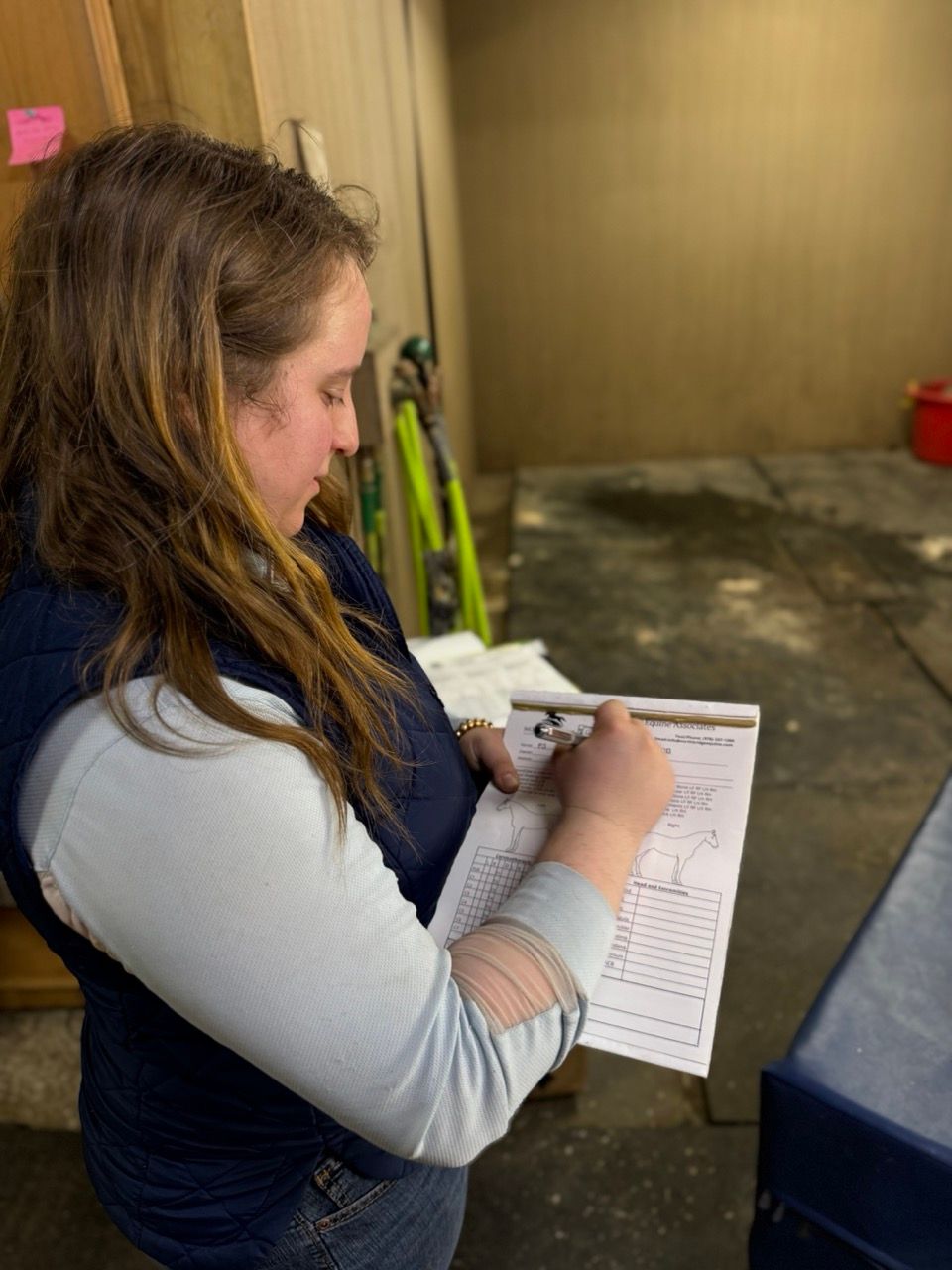
What Happens During an Evaluation?
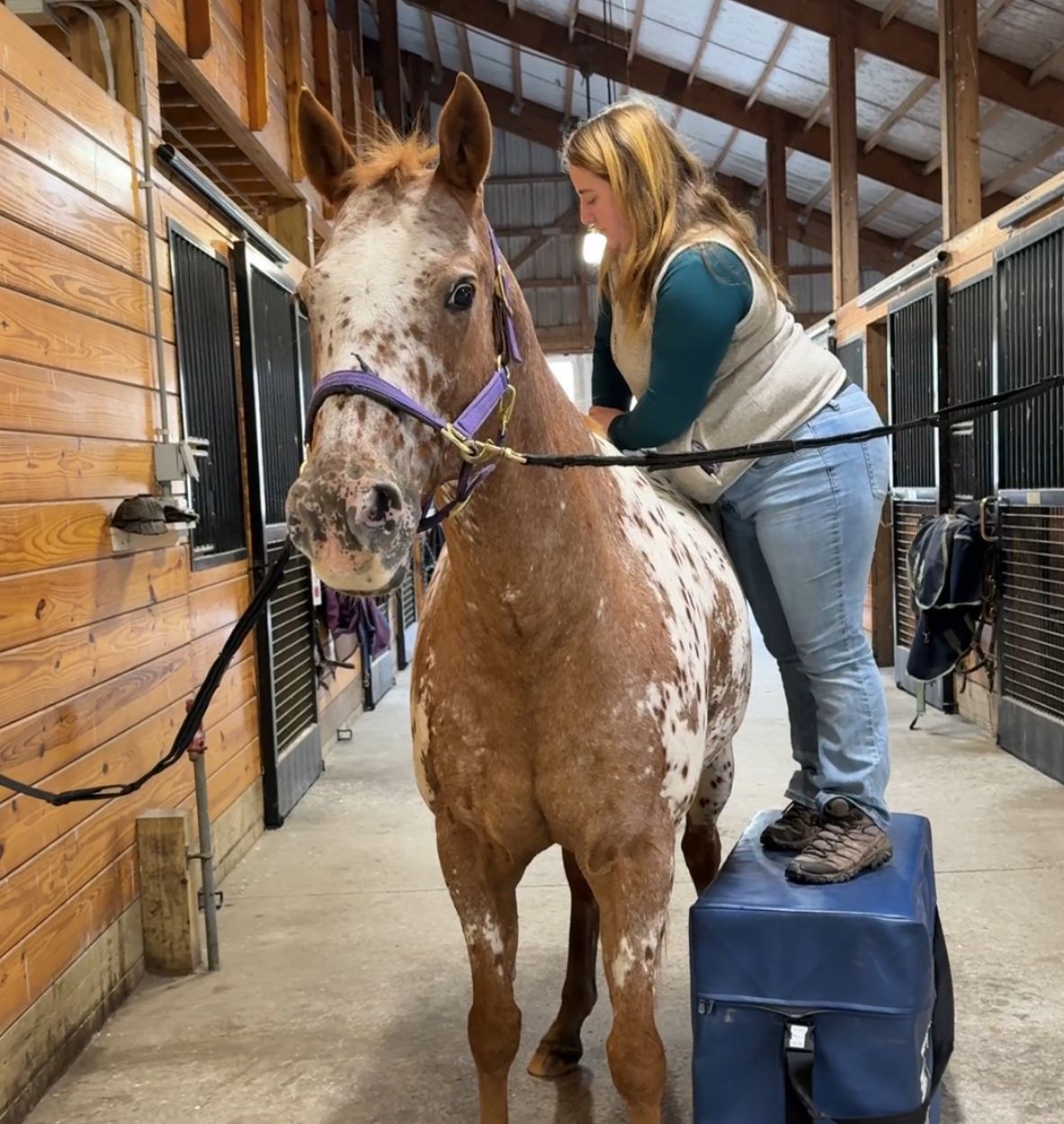
A chiropractic evaluation focuses on identifying movement restrictions and areas of compensation throughout the entire body, not just where symptoms are most noticeable.
The examination may include assessment of:
- Jaw and hyoid mobility
- Neck flexibility and range of motion
- Thoracic spine mobility
- Lumbar and lumbosacral function
- Pelvic motion and symmetry
- Limb flexibility
- Posture and overall movement patterns
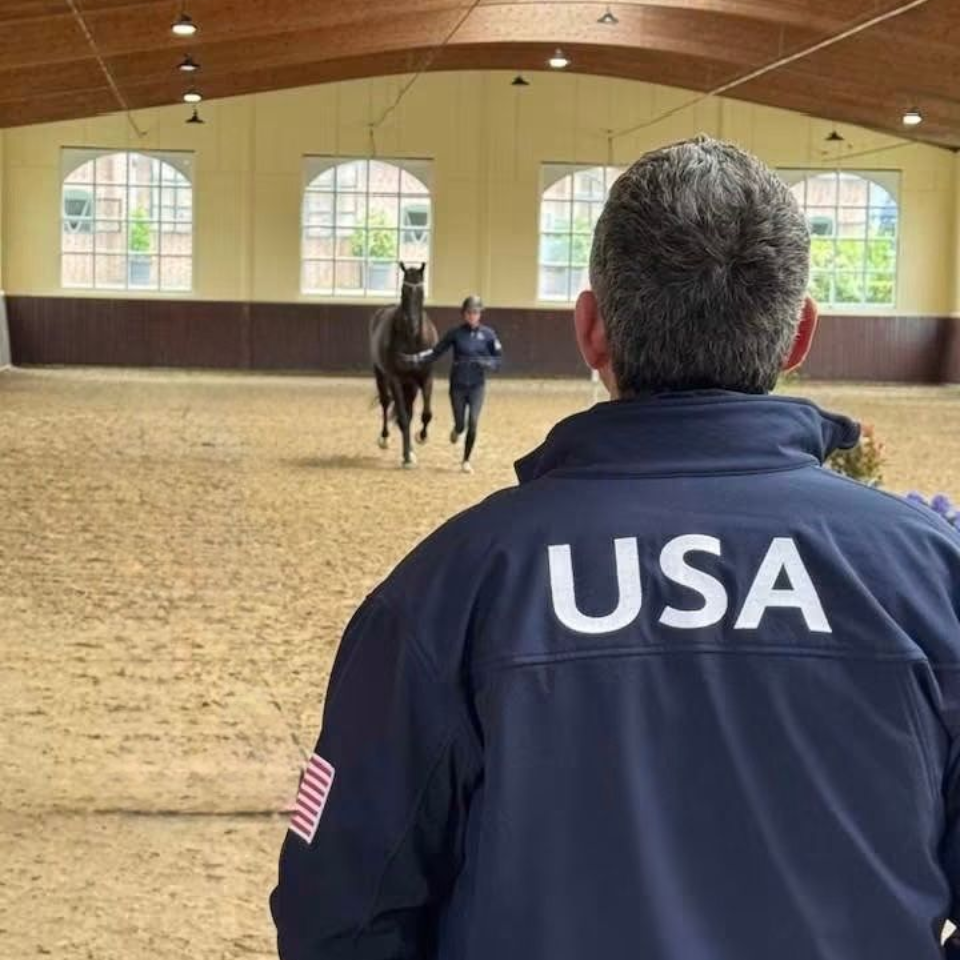
Your veterinarian observes your horse standing, walking, trotting, turning, bending, and performing specific movements or stretches. Individual joints and regions of the spine are carefully evaluated for restriction, asymmetry, or discomfort.
Following treatment, parts of the examination are often repeated to assess changes in mobility and guide future recommendations.
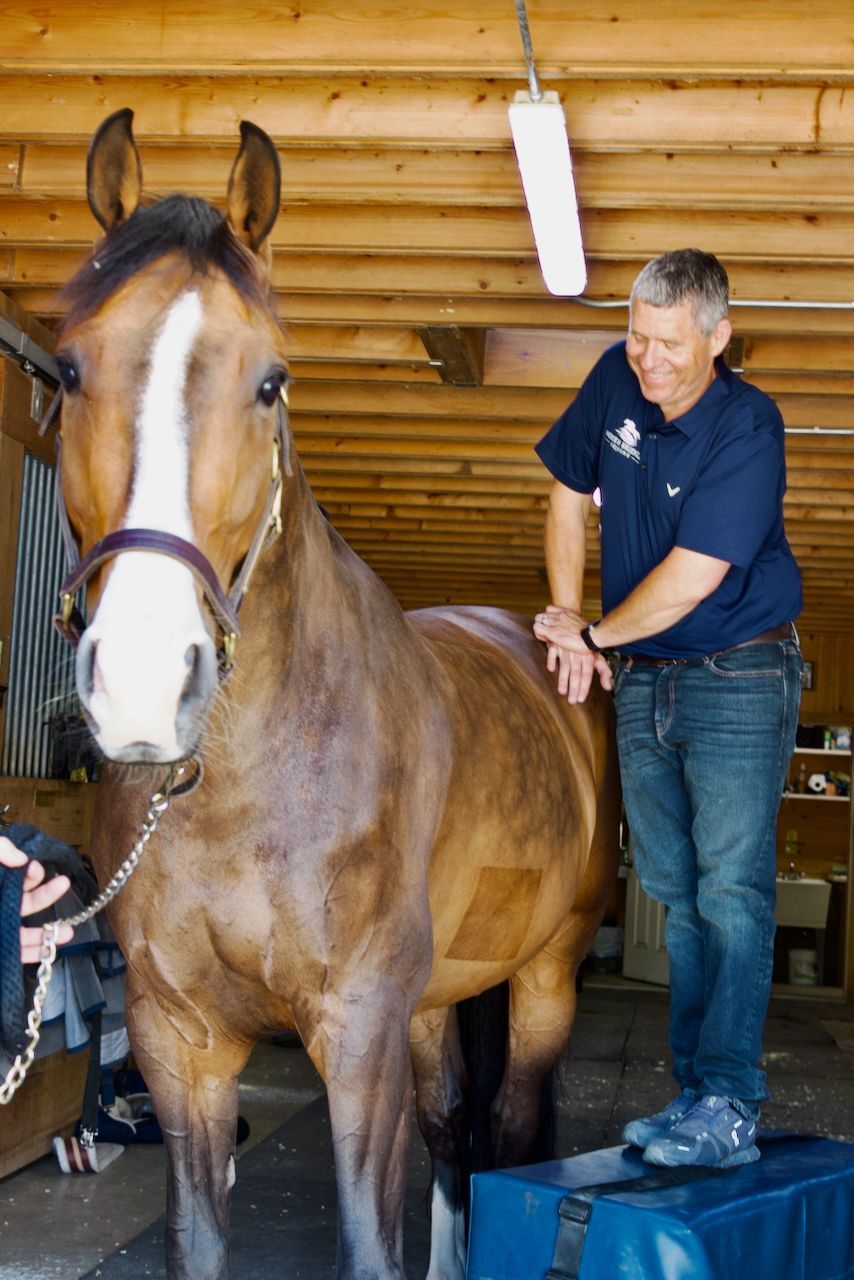
What Conditions May Benefit From Chiropractic care?
Spinal manipulation is most commonly incorporated into treatment plans for horses experiencing musculoskeletal discomfort, reduced mobility, or performance limitations.
Potential applications include:
Back Pain
Current research provides the strongest support for manual therapy in horses with back pain. Treatment may help improve comfort, flexibility, and movement in horses affected by spinal dysfunction.
Neck Pain and Stiffness
Restrictions within the cervical spine can influence comfort, flexibility, and athletic performance. Manual therapy may help improve neck mobility and reduce associated discomfort.
Performance Limitations
Subtle changes in athletic ability, resistance under saddle, or difficulty performing previously routine tasks may be associated with musculoskeletal restrictions that warrant further evaluation.
Chronic Stiffness
Long-standing compensation patterns can affect overall movement quality. Treatment may help improve flexibility and comfort in affected horses.
Recurring Musculoskeletal Issues
Manual therapy may serve as one component of a broader rehabilitation or management plan for horses with ongoing musculoskeletal dysfunction.
How Does Chiropractic Care Affect the Body?
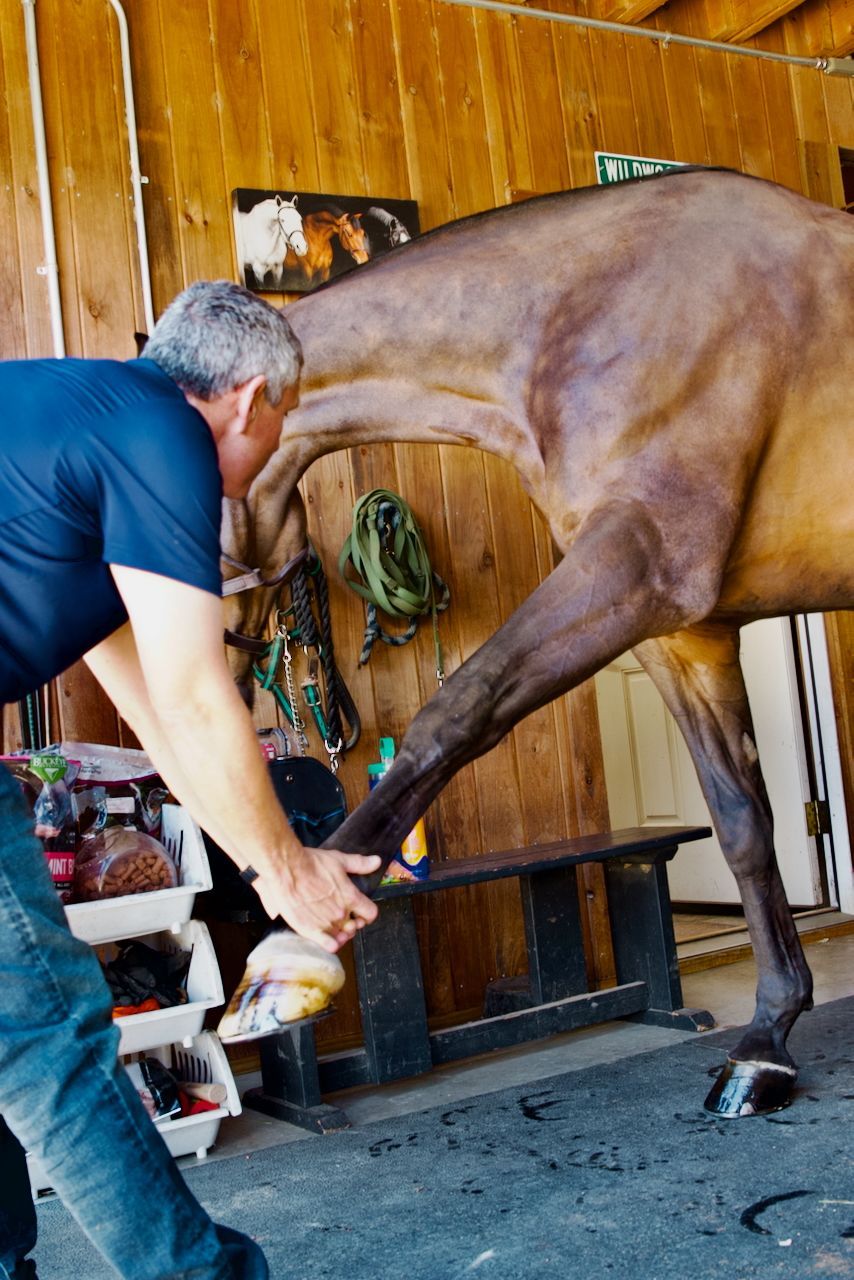
The effects of spinal manipulation extend beyond the joints themselves, influencing muscles, connective tissues, nerves, blood vessels, and lymphatic pathways throughout the body.
Research suggests these techniques may:
- Improve joint mobility
- Reduce muscle tension
- Enhance circulation
- Support normal tissue function
- Improve body awareness and coordination
By addressing movement restrictions and compensatory patterns, manual therapy can help support more efficient and comfortable movement.
Why Choose a Veterinarian for Chiropractic Care?
A veterinarian understands how musculoskeletal dysfunction interacts with lameness, neurological disease, arthritis, soft tissue injury, saddle fit issues, and other medical conditions.
Because chiropractic treatment is often only one piece of the puzzle, a veterinary evaluation ensures that underlying medical issues are identified and addressed appropriately.
At North Bridge Equine, chiropractic care is integrated into a comprehensive approach to equine health, rehabilitation, and performance medicine. This allows us to determine when chiropractic care is appropriate and when additional diagnostics or treatments may be needed.
If you've noticed changes in your horse's movement, performance, or comfort, contact our team to schedule a chiropractic evaluation.
Every horse deserves to move comfortably, perform confidently, and enjoy the highest quality of life possible.
Contact Us to Schedule a Chiropractic Exam
This article was written by the veterinarians at North Bridge Equine Associates, an ambulatory equine veterinary practice serving horses in Massachusetts and surrounding regions. The information provided is intended for general educational purposes and is not a substitute for veterinary examination or care.
North Bridge Equine Associates
978-337-1260
Servicing Massachusetts, New Hampshire, and seasonal service to Aiken, South Carolina
Recent Posts