Blog

Home/ Blog

USEF Young Rider European Tour 2026: Behind the Scenes Part 2 - Germany

Fred Nostrant, DVM • August 24, 2026

Part 2: Germany, Future Champions, and Watching the Young Riders Shine
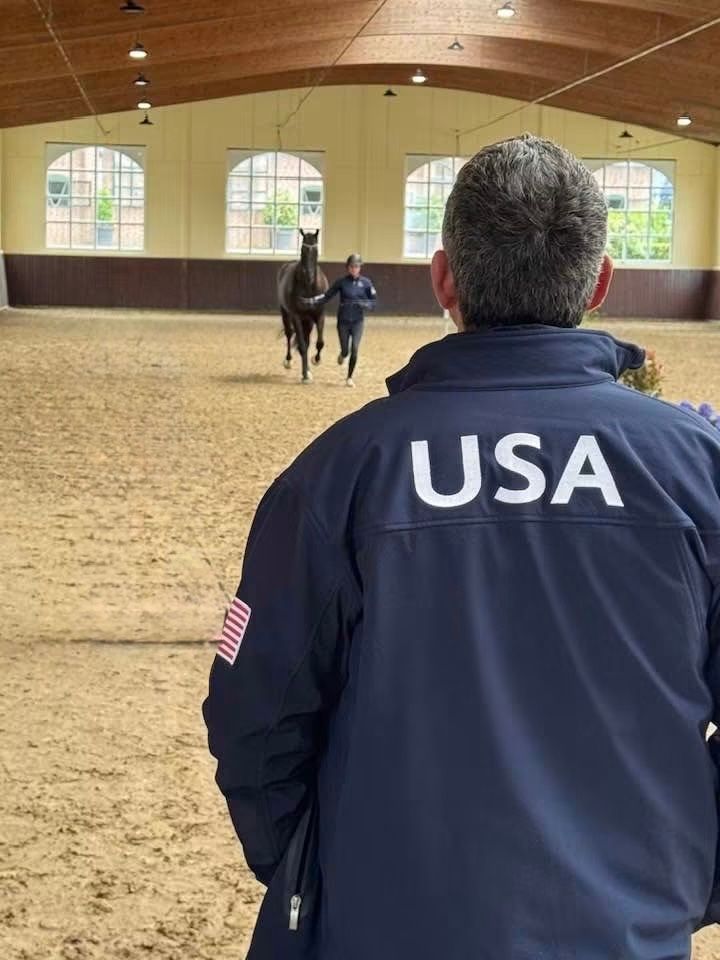
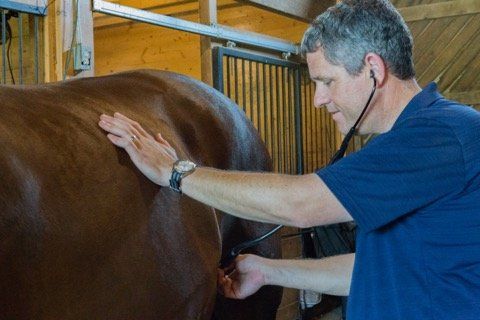
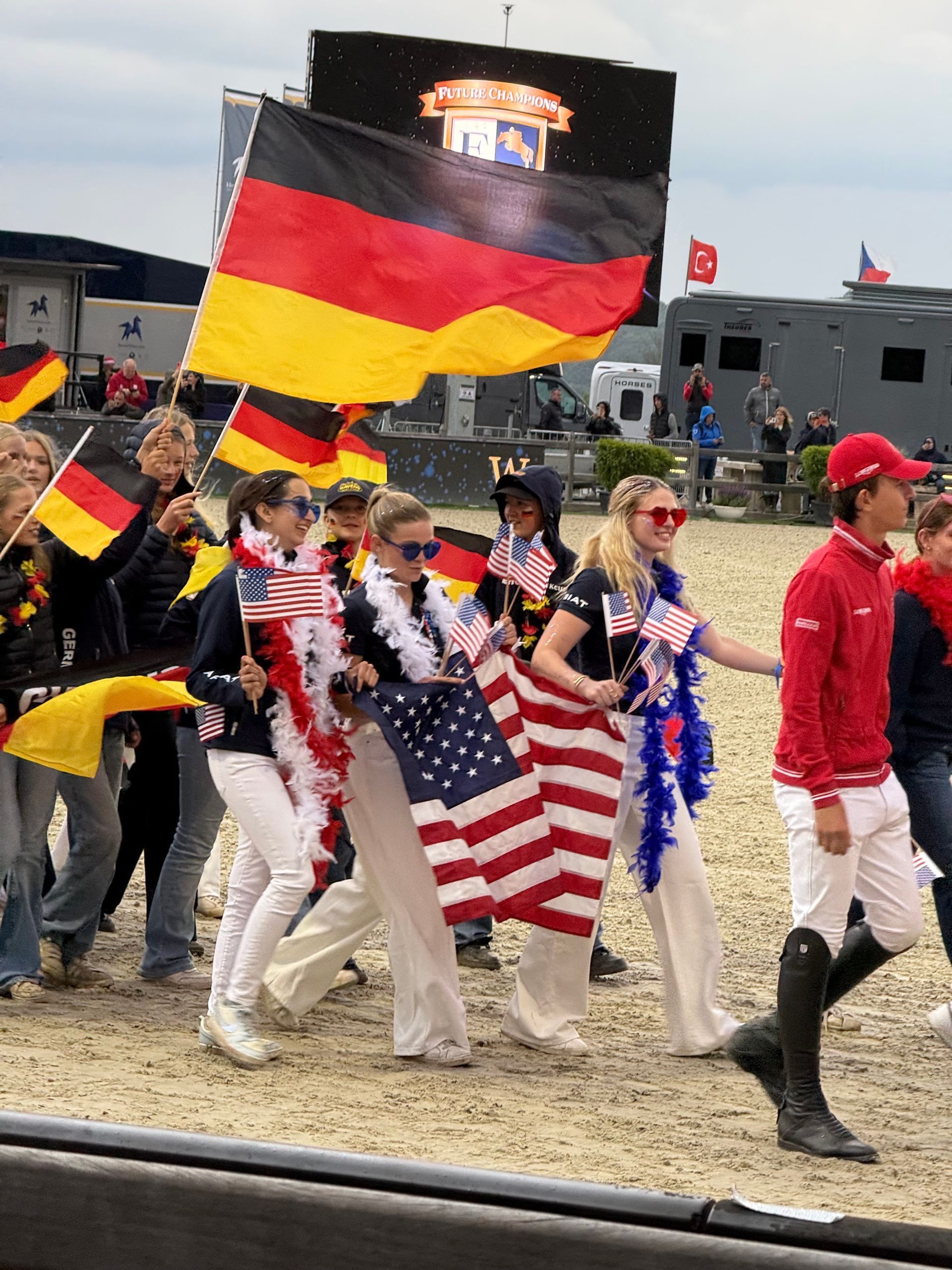
Four weeks later we reunited in Hagen, Germany, for the prestigious Future Champions competition held at the spectacular Hof Kasselmann.


Future Champions is unlike almost any horse show in the United States. Bringing together approximately 700–800 horses, it features 8 Nation’s Cups for Pony, Children, Junior, and Young Rider divisions in both dressage and show jumping. Everywhere you look are tomorrow's international athletes competing at an incredibly high level.


Before arriving in Hagen, I flew into Amsterdam and drove into the Netherlands to meet up with George Williams and check on one of our horses that was training in Someren. It was a nice opportunity to evaluate how the horse had progressed during the month between competitions before we all headed to Germany.
Mud, Rain, and Move-In Day

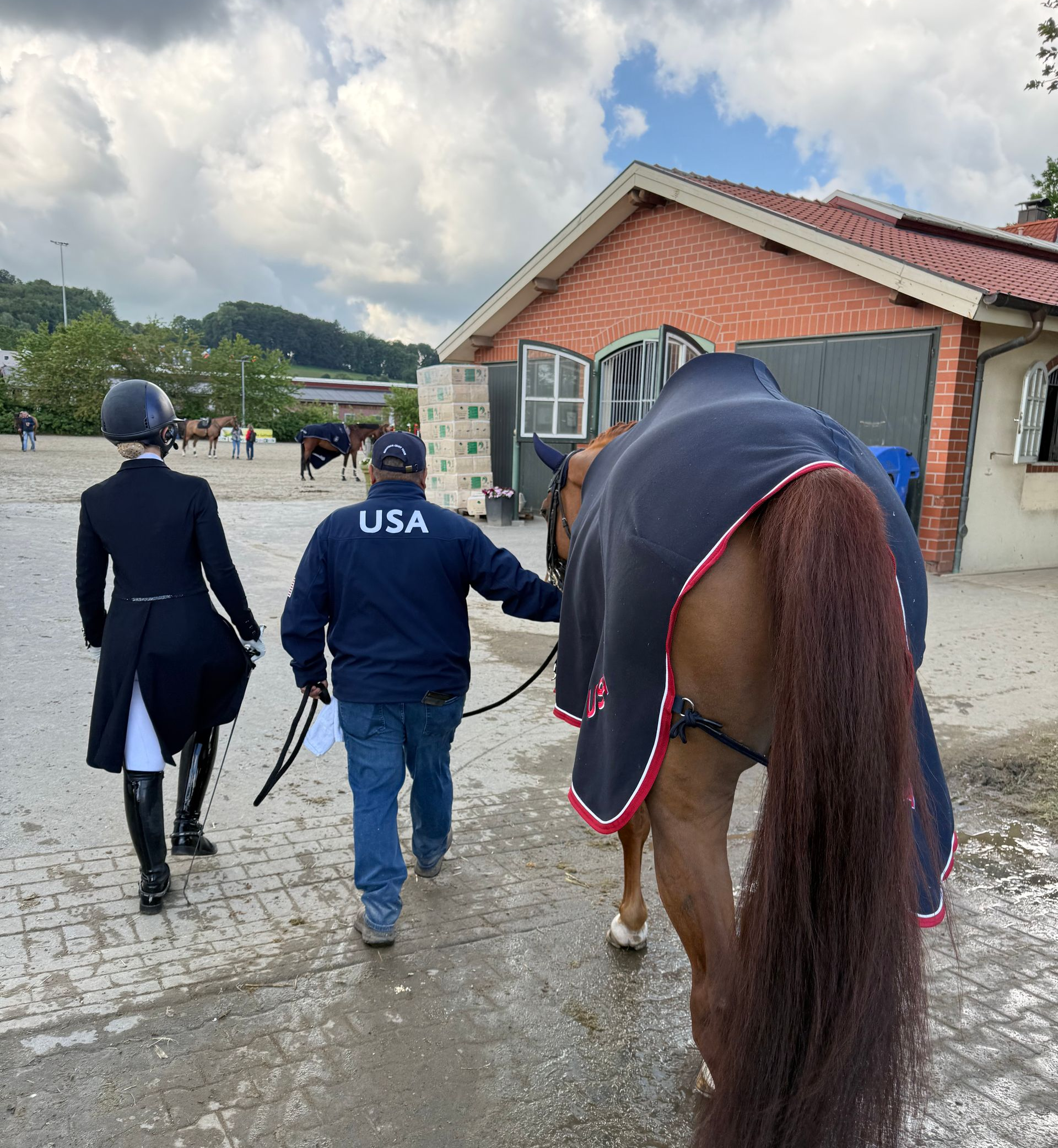
After the long drive from the Netherlands, we arrived to find that Mother Nature had other plans for the start of the show. A heat wave had just passed through northern Germany and gave way to a significant amount of rain, but what is more fun than a horse show in the rain!


Heavy rain turned move-in day into organized chaos as dozens of horse vans converged on the same entrance, transforming the fields into deep mud. It took patience—and plenty of horsepower—to get everyone unloaded and settled.


Fortunately, once the horses were comfortably stabled, training began smoothly and everyone quickly focused on the week ahead.
A Week of Great Riding

Once again, our riders competed in the:

Team Test

Individual Test

Freestyle


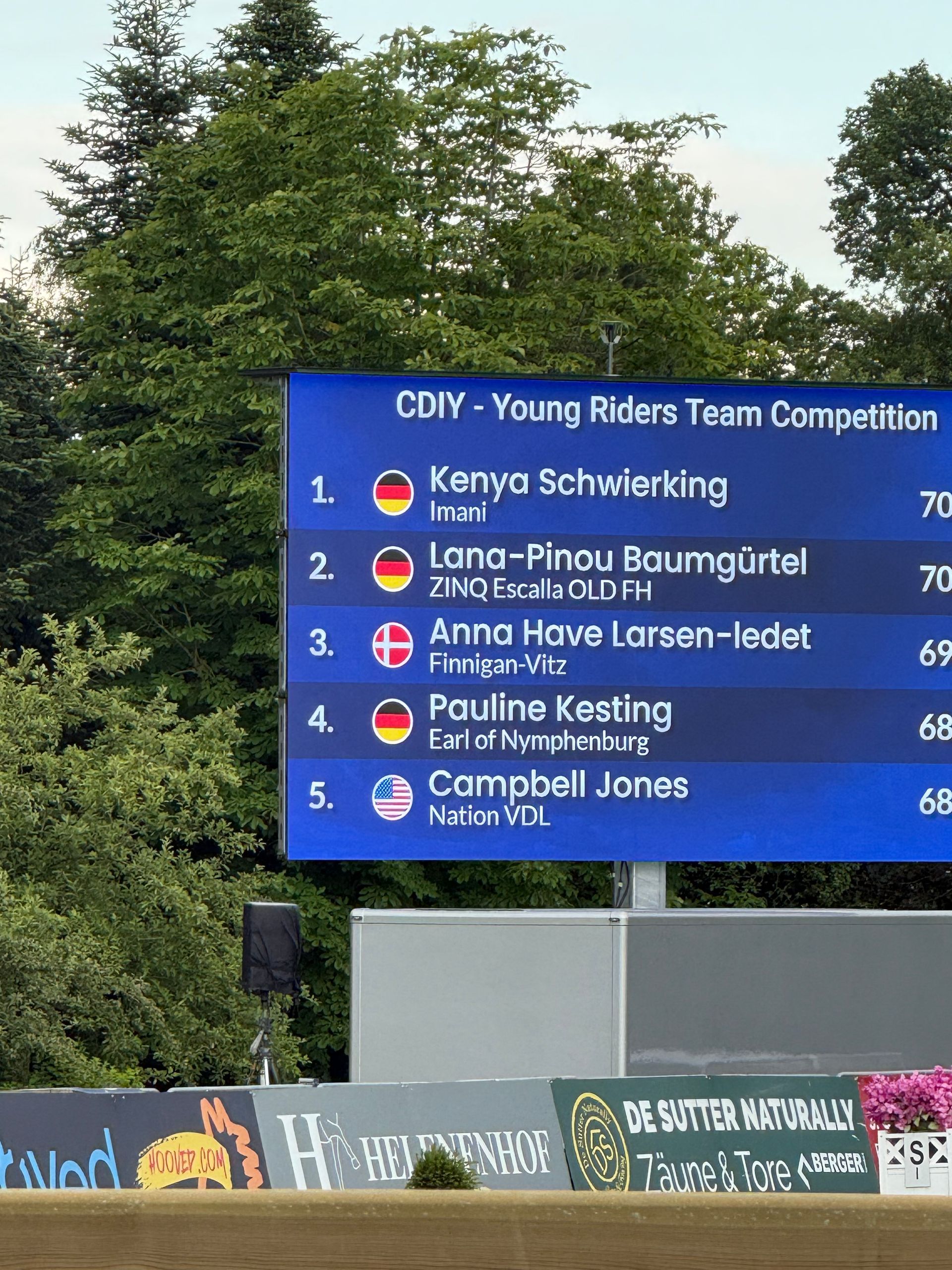
Each ride throughout the week showed noticeable improvement as the horses and riders became increasingly comfortable competing in Europe.


Outside our own competition, one of the highlights was watching the Pony and Junior Show Jumpers. The Irish pony riders were particularly entertaining—fearlessly flying around enormous courses at what seemed like breakneck speed, laughing, cheering, and clearly loving every second of it. It was impossible not to smile watching them. One of our team riders also competes in the jumpers and had her two horses at Future Champions competing as well. One of the few times, if not only time, that an American rider has also competed in both dressage and show jumping at Future Champions.


By the end of the Sunday's competition, the weeks of travel, preparation, and competition across the tour had all paid off.


One American combination finished second, while another earned fourth place. More importantly, all three riders left Europe with experience that simply cannot be duplicated at home.
A Visit with a Colleague

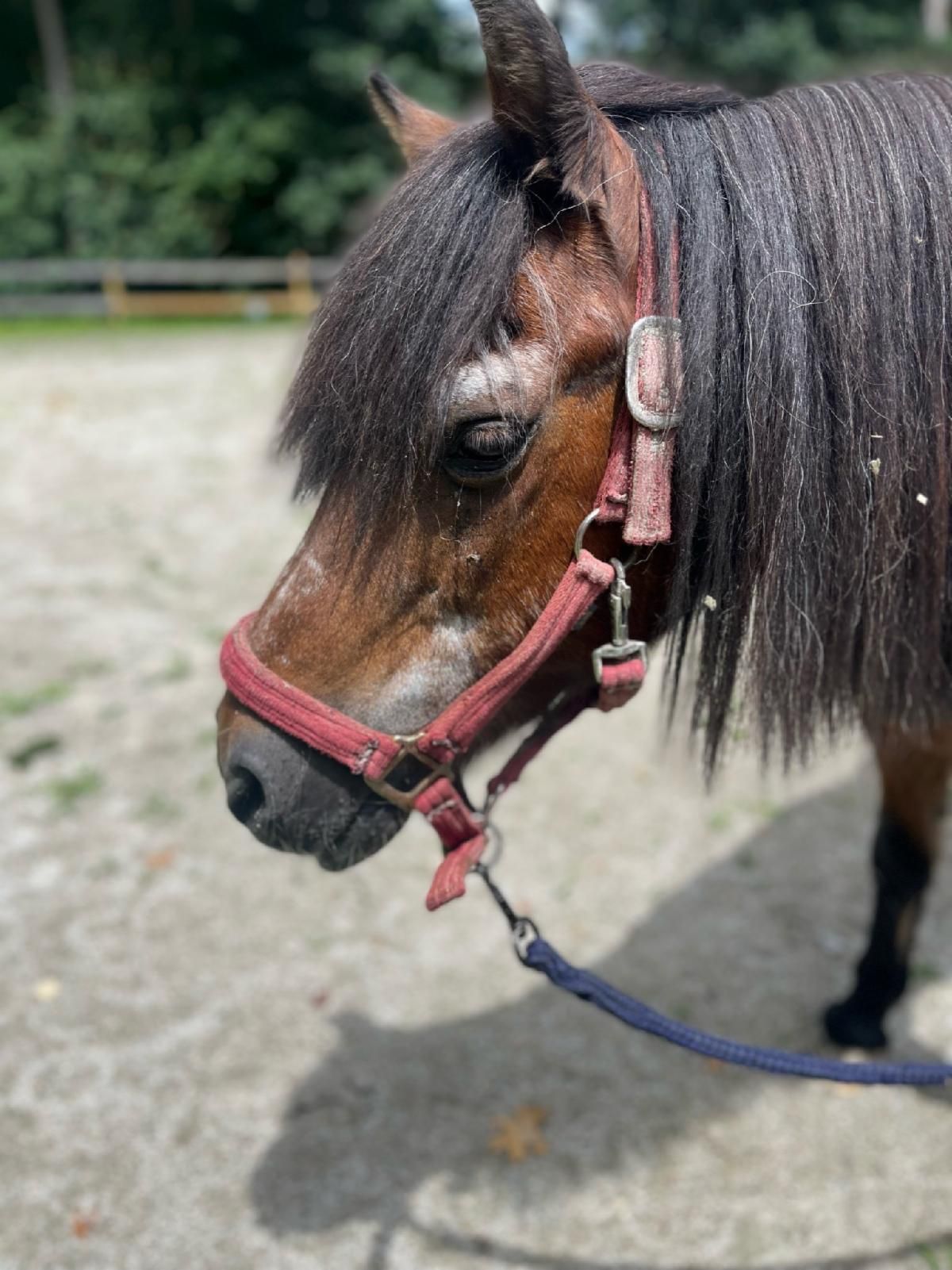
One unexpected highlight came on a free day when I drove north to Oldenburg, Germany, to visit a friend and fellow equine veterinarian at his farm and clinic in the beautiful forests of northern Germany.

Despite practicing on opposite sides of the Atlantic, we found ourselves discussing many of the same challenges, successes, and rewards that come with caring for horses. Veterinary medicine may look a little different depending on where you practice, but our shared passion for horses creates an immediate connection no matter the language or country.

Why These Trips Matter

Ultimately, these tours offer much more than just the pursuit of awards—they are essential experiences that shape the skills, character, and future of our young riders.


They expose talented young American riders to a new level of competition, broaden their horsemanship, build resilience, and help prepare the next generation of international athletes.


As the Team Veterinarian, I feel incredibly fortunate to play a small role in that journey.


I'm grateful to USEF, George Williams, and Lauren Moore for continuing to invite me to be part of this exceptional program. Watching these young riders grow in confidence, represent our country with professionalism, and embrace every challenge is one of the most rewarding experiences of my career.


I'm already looking forward to the next opportunity to help America's future equestrians perform at their very best.

Recent Posts
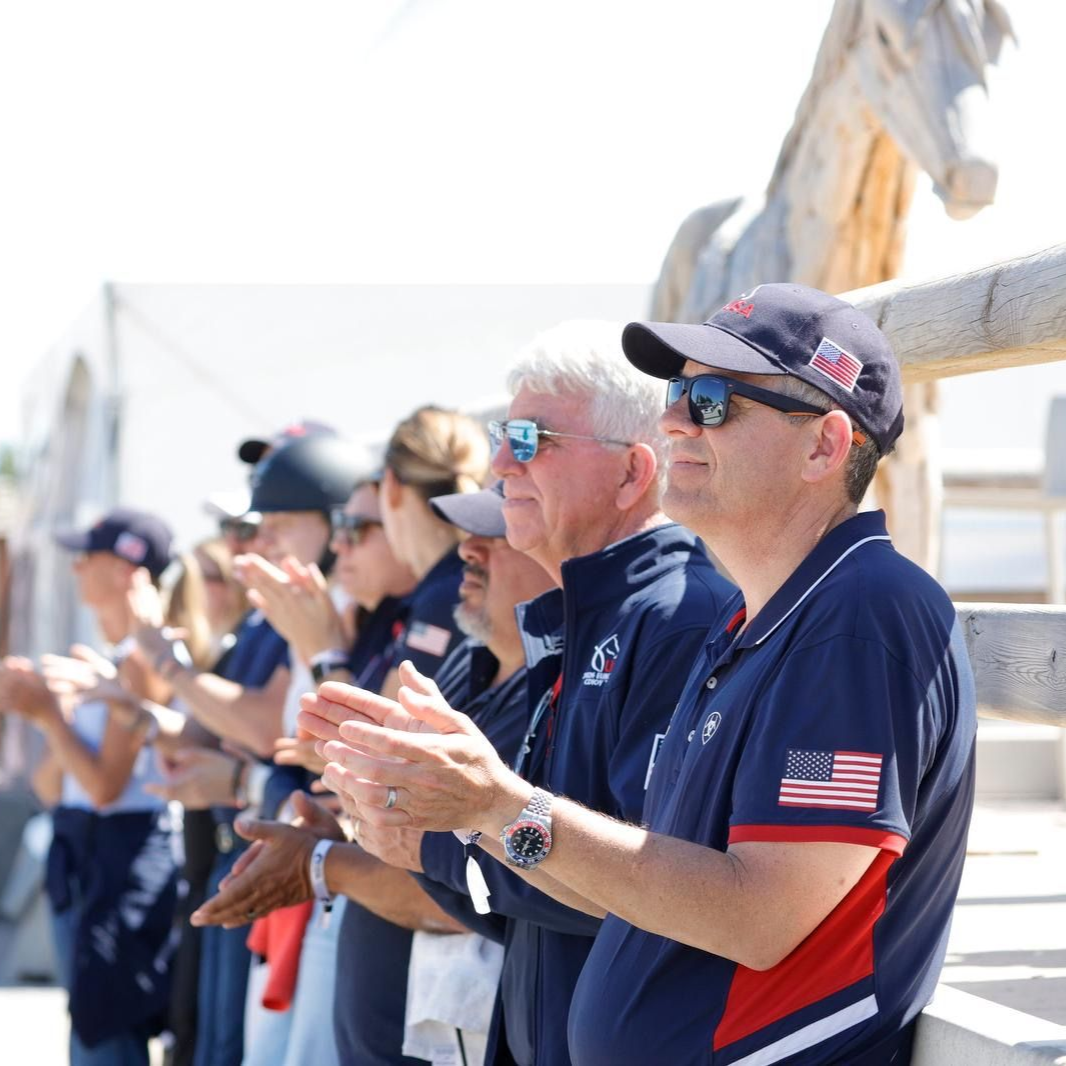
Dr Fred Nostrant USEF team veterinarian applauding rider performances with the rest of the team
By Fred Nostrant, DVM August 10, 2026
Follow the 2026 USEF Young Rider European Tour in Belgium as Dr. Fred Nostrant shares behind-the-scenes insights into elite horse care and international dressage.
North Bridge Equine veterinarian performing chiropractic adjustment on a performance horse
By Fred Nostrant, DVM August 3, 2026
Learn how equine chiropractic care and spinal manipulation can help horses with back pain, neck pain, stiffness, performance issues, and mobility restrictions. Discover the benefits, risks, and what to expect during a chiropractic evaluation.
Equine stifle joint X-ray showing the femur, patella, and tibia in a horse’s hind limb.
By The North Bridge Equine Team June 11, 2026
Learn how the horse’s stifle joint works, common signs of stifle problems, and treatment options including joint injections, IRAP, shockwave therapy, and Adequan from an equine veterinarian.
By North Bridge Equine April 13, 2026
Pasture Management for Springtime Grass After months of barren ground or snow covered fields, we are slowly starting to see the gorgeous signs of spring in New England once again. The horses are shedding and eagerly awaiting any chance they have to nibble some delicious green grass. Below we provide very helpful guidelines for the slow controlled introduction to keep our horses safe and healthy. Horses that always live outside have the benefit of mother nature's slow introduction to grass as it grows through the first weeks of spring. Horses living in stalls with only partial day turnout have to be more strictly controlled in their introduction to pasture to prevent the serious trouble that can occur with too much fresh grass too quickly. Over indulgence in grass can result in gas colic and laminitis. So what can you do to protect your horse from the potential hazards of too much grass too quickly? Here are guidelines to assist you in coming up with a pasture introduction plan: Horses on 2-12 hours a day of pasture: If you have limited pasture but still want your horse to reap the benefits of daily turnout you probably fall into this category. Most horses in a boarding situation with access to grass will be in this group. Take care to closely follow a pre-determined time scale of introduction for these horses. We recommend the following graduated schedule: Days 1-3: 20 min/day Days 4-6: 1hr/day Days 6-9: 2 hrs/day Days 10-12: 3 hrs/day Day 13 and beyond: unlimited in horses who are not overweight or sensitive. You can also use a grazing muzzle (see below) if you need to introduce pasture more rapidly. With a grazing muzzle you can add 20 min per day of turnout until on full turnout. Once on full turn out keep muzzle on for about a week then alternate every other day for a week then it should be safe to remove the grazing muzzle.
Overweight horse with cresty neck and regional fat deposits, illustrating common signs of EMS
By The NBEA Team March 1, 2026
Equine Metabolic Syndrome (EMS) is a common cause of laminitis linked to insulin dysregulation. Learn the signs, diagnosis, and practical management strategies to help your horse stay healthy, comfortable, and thriving with thoughtful veterinary guidance.
By Stephanie R. Shen, DVM February 24, 2026
Learn about vaccines and wellness exams and why both are important for your horse.
Sport horse and rider jumping a green show fence during competition, showing athletic performance
By Fred Nostrant, DVM December 30, 2025
Suspensory ligament injuries in sport horses explained—recovery timelines, rehab expectations, and when it’s safe to return to competition.
Sport horse and rider jumping over a cross country jump in a field
By Stephanie Shen, DVM December 23, 2025
Explore targeted treatments for back pain in performance horses, including diagnosis, therapy options, and strategies to support long-term soundness.
By Stephanie Shen, DVM November 4, 2025
Understand equine IBD and free fecal water syndrome, why they occur, what signs to watch for, and how these conditions are managed.
By North Bridge Equine Team November 4, 2025
Learn about our winter educational seminar and how to register