Blog
Inflammatory Bowel Disease (IBD) and Free Fecal Water Syndrome in Horses
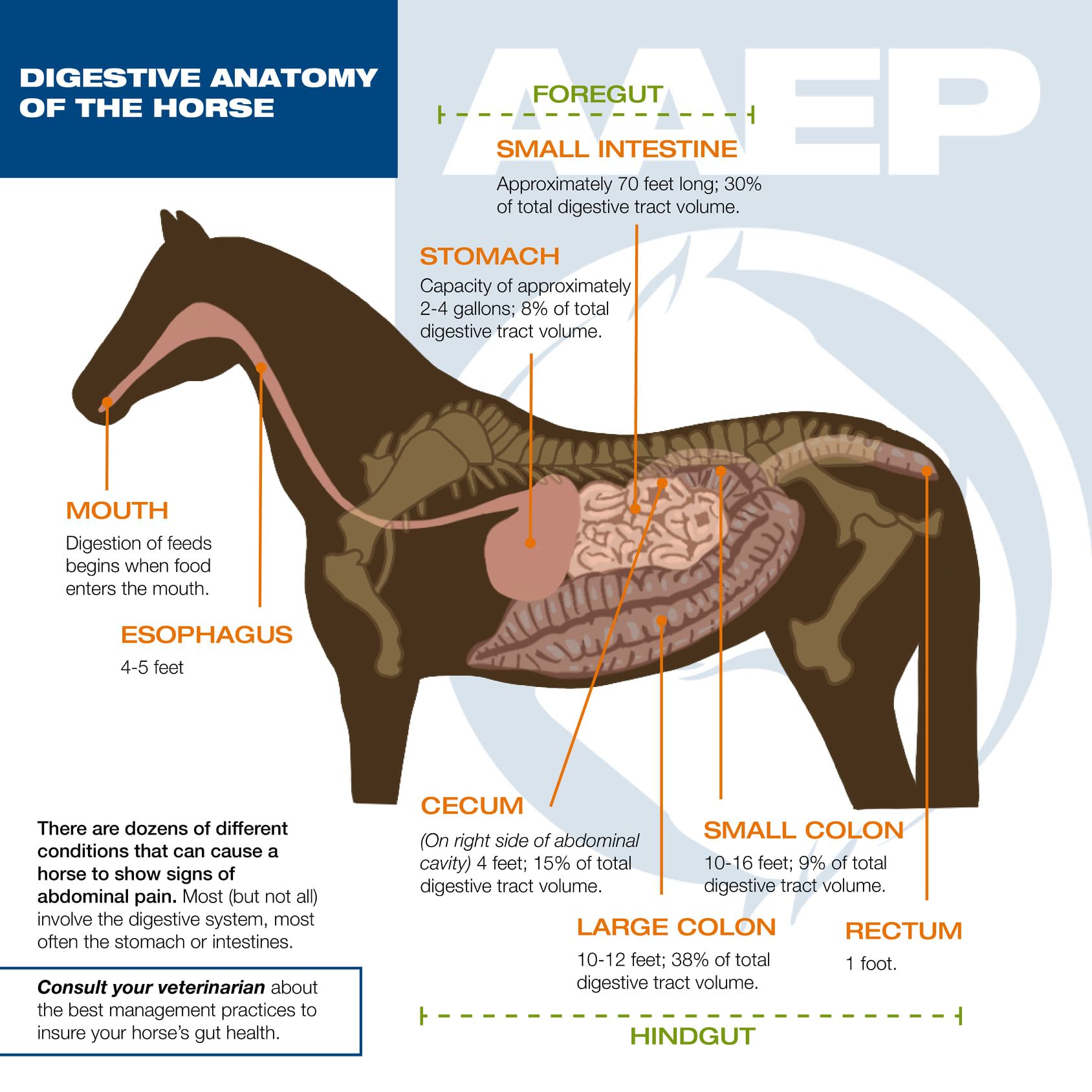
Digestive health can have a significant impact on a horse’s comfort, body condition, performance, and overall well-being. When something disrupts the gastrointestinal (GI) tract, however, the signs are not always obvious.
Two digestive conditions horse owners may encounter are Inflammatory Bowel Disease (IBD) and Free Fecal Water (FFW) Syndrome. Although both involve the equine gastrointestinal tract, they are different conditions with different clinical signs, diagnostic approaches, and management needs.
Equine IBD is a potentially serious inflammatory disease of the intestinal tract that can interfere with digestion and nutrient absorption. Free Fecal Water Syndrome occurs when a horse passes normally formed manure along with separate fecal liquid.
Understanding the difference between the two—and knowing when digestive changes warrant veterinary evaluation—can help horse owners recognize potential problems earlier.
This article provides a clear, practical overview of equine IBD and FFW, including causes, clinical signs, diagnostic approaches, and current management strategies.
What as Inflammatory Bowel Disease (IBD) in Horses?
Inflammatory Bowel Disease in horses is a group of conditions characterized by abnormal inflammation within the intestinal wall. This inflammation is associated with an inappropriate immune response to substances that would normally be tolerated within the gastrointestinal tract.
Potential triggers may include:
- Dietary components
- Normal intestinal bacteria
- Parasites
- Environmental antigens
The exact cause of equine IBD is not completely understood.
With IBD, immune dysfunction can damage the intestinal lining, disrupting the tight junctions between intestinal cells and weakening the gut’s protective mucus barrier. This can increase intestinal permeability, sometimes referred to as “leaky gut.”
As the intestinal barrier becomes compromised, immune cells infiltrate the intestinal tissue and contribute to chronic inflammation. Over time, this can interfere with normal digestion, absorption of nutrients, and intestinal motility.
What are the Signs of IBD in Horses?
The clinical signs of equine IBD can vary considerably between horses. Some horses develop relatively subtle, chronic problems, while others may experience more significant gastrointestinal disease.
Common signs of IBD in horses may include:
- Unexplained or progressive weight loss
- Difficulty maintaining body condition despite adequate nutrition
- Recurrent or mild colic
- Intermittent diarrhea
- Changes in manure consistency
- Poor nutrient utilization
- More severe or acute episodes of colic
IBD can cause malabsorption and maldigestion, meaning the horse may not properly absorb or utilize nutrients despite consuming an appropriate amount of feed.
Inflammation can also affect normal intestinal movement and, in some cases, lead to thickening or narrowing of portions of the intestine. These changes may increase a horse’s risk of recurrent colic.
Because these symptoms overlap with many other equine health conditions, IBD cannot be diagnosed based on clinical signs alone.
How is IBD diagnosed in Horses?
Diagnosing IBD in horses generally involves ruling out other potential causes of weight loss, diarrhea, recurrent colic, or poor body condition before pursuing more specific testing.
Depending on the individual horse, a veterinary evaluation may include:
- Comprehensive bloodwork
- Abdominal ultrasound
- Thoracic ultrasound
- Gastroscopy
- Abdominal fluid analysis
- Tests evaluating intestinal absorption or malabsorption
Intestinal Biopsy for Equine IBD
Evaluation of intestinal tissue can provide important information when IBD is suspected. Depending on the case, biopsy options may include:
- Rectal biopsy
- Duodenal biopsy
- Full-thickness intestinal biopsy
No single diagnostic test is appropriate for every horse. Your veterinarian will determine which tests are warranted based on the horse’s history, clinical signs, physical examination, and results of previous testing.
Identifying gastrointestinal disease earlier may provide more opportunities to manage inflammation, nutritional needs, and secondary complications.
How Is IBD Treated in Horses?
There is currently no single cure or treatment protocol for equine IBD. Treatment is generally aimed at controlling intestinal inflammation, supporting digestive function, maintaining body condition, and addressing the individual horse’s clinical signs.
Medical Management
Corticosteroids may be used to help control intestinal inflammation in horses with IBD. Depending on the horse and severity of disease, treatment may involve relatively low doses administered over an extended period.
Some horses require prolonged or lifelong medical management, and steroid doses may need to be tapered very gradually under veterinary supervision.
Dietary Management
Nutrition is also an important component of managing horses with IBD.
Depending on the individual horse, dietary recommendations may include:
- Small, frequent meals
- A highly digestible, forage-based diet
- Complete feeds when appropriate
- Hay pellets or cubes
- Alfalfa pellets
- Adjustments to forage type or quantity
There is no single “IBD diet” that works for every horse. Dietary changes should be based on the individual horse’s nutritional requirements, clinical signs, and response to treatment.
What as Free Fecal Water Syndrome in Horses?
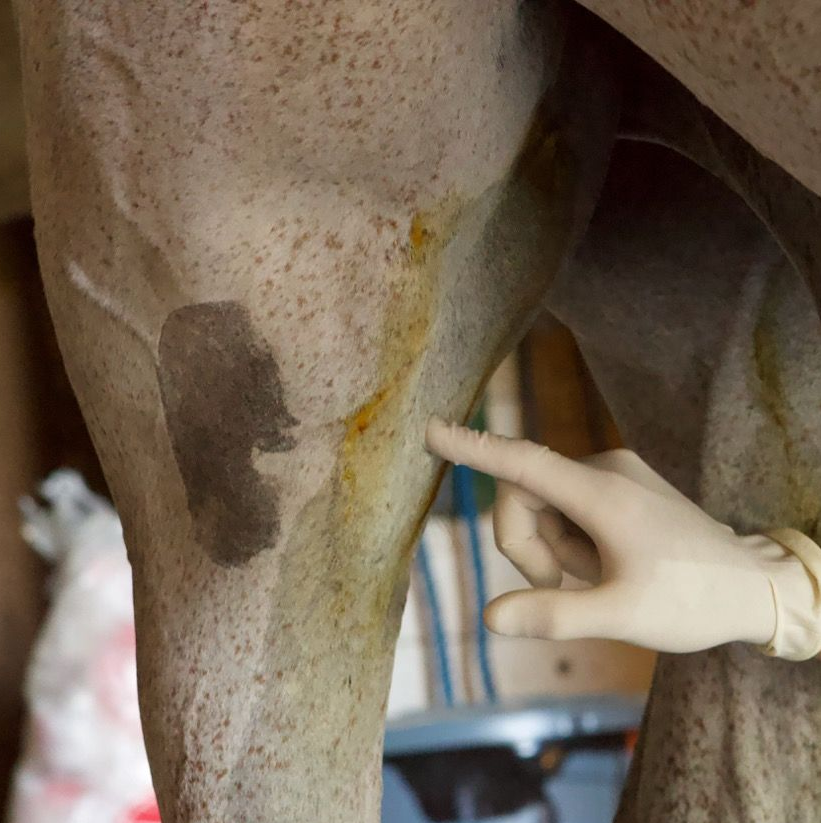
Free Fecal Water Syndrome, or FFW, occurs when a horse passes normally formed manure accompanied by separate free-flowing fecal liquid.
This is different from diarrhea. With diarrhea, the manure itself is typically loose or watery. A horse with FFW may continue to produce normal manure balls while also passing brown-colored liquid before, during, or after defecation.
While FFW may not have the same medical implications as IBD, persistent fecal water can create problems for both the horse and owner.
These may include:
- Chronic wetness of the hindquarters
- Skin irritation
- Scalding
- Irritation around the tail and hind legs
- Secondary skin infections
- General discomfort
What causes Free Fecal Water in horses?
There is currently no single known cause of Free Fecal Water Syndrome in horses. Research suggests that several factors may influence its development.
Possible contributing factors include:
- Gastrointestinal dysregulation
- Dietary composition
- Forage type
- Altered hindgut fermentation
- Stress
- Herd dynamics or social stressors
Because the underlying mechanism is not fully understood, determining why an individual horse develops FFW can be challenging.
A horse that develops persistent fecal water should still receive appropriate veterinary evaluation, particularly if the problem is new or accompanied by weight loss, diarrhea, recurrent colic, decreased appetite, fever, lethargy, or other changes in health.
How is Free Fecal Water Syndrome managed?
There is no universal treatment for FFW. Management typically involves evaluating the horse’s diet, environment, stress level, and overall gastrointestinal health and then making controlled changes to determine what improves the symptoms.
Diet and Forage Changes
Depending on the individual horse, dietary strategies may include:
- Making all feed changes gradually
- Providing free-choice hay
- Changing the type of hay being fed
- Replacing some long-stem forage with chopped hay, hay pellets, or chaff
- Trialing psyllium husk
- Ensuring appropriate salt intake
Interestingly, what works for one horse may not work for another. Some horses improve with greater access to long-stem forage, while others improve when a portion of that forage is replaced with a processed forage source.
For this reason, it is helpful to make one controlled change at a time whenever possible. This makes it easier to determine whether a particular change is actually helping.
Stress and Turnout Management
Stress and social dynamics may also contribute to FFW in some horses.
Management changes could include:
- Changing turnout groups
- Reducing competition for hay, water, or shelter
- Decreasing herd size
- Providing additional feeding stations
- Identifying and reducing other sources of environmental stress
Supplements and Supportive Care
Depending on the individual horse, a veterinarian may also recommend trialing nutritional supplements or other supportive therapies.
These may include:
- Psyllium
- Omega-3 fatty acids
- Baker’s yeast
- Other products intended to support normal hindgut function
Because the evidence supporting individual supplements varies, products should be selected thoughtfully rather than introducing several supplements at once.
How do you protect a horse's skin from Free Fecal Water?
Persistent fecal water can quickly irritate the skin of the hind legs, tail, and perineal area. Protecting the skin is therefore an important part of managing FFW.
Horse owners can help by:
- Keeping affected areas as clean and dry as possible
- Gently cleaning fecal material from the skin
- Clipping excessive hair when appropriate
- Applying petroleum jelly or another suitable barrier product
- Monitoring for redness, sores, scalding, swelling, or infection
If the skin becomes painful, significantly inflamed, or infected, contact your veterinarian for appropriate treatment recommendations.
What is the difference between IBD and Free Fecal Water Syndrome in horses?
Although both conditions involve the gastrointestinal tract, IBD and FFW are not the same thing.
IBD involves inflammation of the intestinal tissue and may result in weight loss, poor nutrient absorption, diarrhea, recurrent colic, and other systemic health problems.
With Free Fecal Water Syndrome, the horse generally continues to pass formed manure but also passes separate fecal liquid. Its underlying cause is not fully understood, and management often involves experimenting with dietary, environmental, and stress-related factors.
Importantly, the presence of free fecal water does not automatically mean that a horse has IBD. Likewise, changes in manure should not automatically be attributed to FFW without considering other possible gastrointestinal conditions.
When should you call your Veterinarian about your horse's digestive health?
Changes in manure can provide useful information about gastrointestinal health, but they should be considered alongside the horse’s overall condition.
Contact your veterinarian if your horse develops:
- Persistent or unexplained weight loss
- Recurrent colic
- Persistent diarrhea
- A significant or sudden change in manure
- Decreased appetite
- Difficulty maintaining body condition
- Fever or lethargy
- Persistent fecal water, particularly when accompanied by other clinical signs
Supporting Equine Digestive Health
The equine gastrointestinal system is complex, and digestive problems do not always have a simple cause or solution.
Inflammatory Bowel Disease requires veterinary diagnosis and can be a serious, long-term medical condition. Free Fecal Water Syndrome is characterized by formed manure accompanied by separate fecal liquid and often requires individualized dietary and management changes.
For both conditions, careful observation and a systematic approach are important. Rather than making multiple feed, supplement, and management changes at once, working with your veterinarian can help identify potential causes, rule out more serious gastrointestinal disease, and develop a plan appropriate for your horse.
If you notice ongoing changes in your horse’s manure, weight, appetite, or comfort, contact your veterinarian. Early evaluation can help determine whether the change is a relatively manageable digestive issue or a sign of an underlying condition that requires further investigation.
This article was written by the veterinarians at North Bridge Equine Associates, an ambulatory equine veterinary practice serving horses in Massachusetts and surrounding regions. The information provided is intended for general educational purposes and is not a substitute for veterinary examination or care.
North Bridge Equine Associates
978-337-1260
Servicing Massachusetts, New Hampshire, and seasonal service to Aiken, South Carolina
Recent Posts