Blog

Home/ Blog

RRP Journey Update: IM Adequan® in the Young Horse

NBEA Team • August 28, 2025

Update from one of our RRP Sponsored riders, Julia Grella, about the benefits seen of Adequan IM injections in her 4 year old OTTB
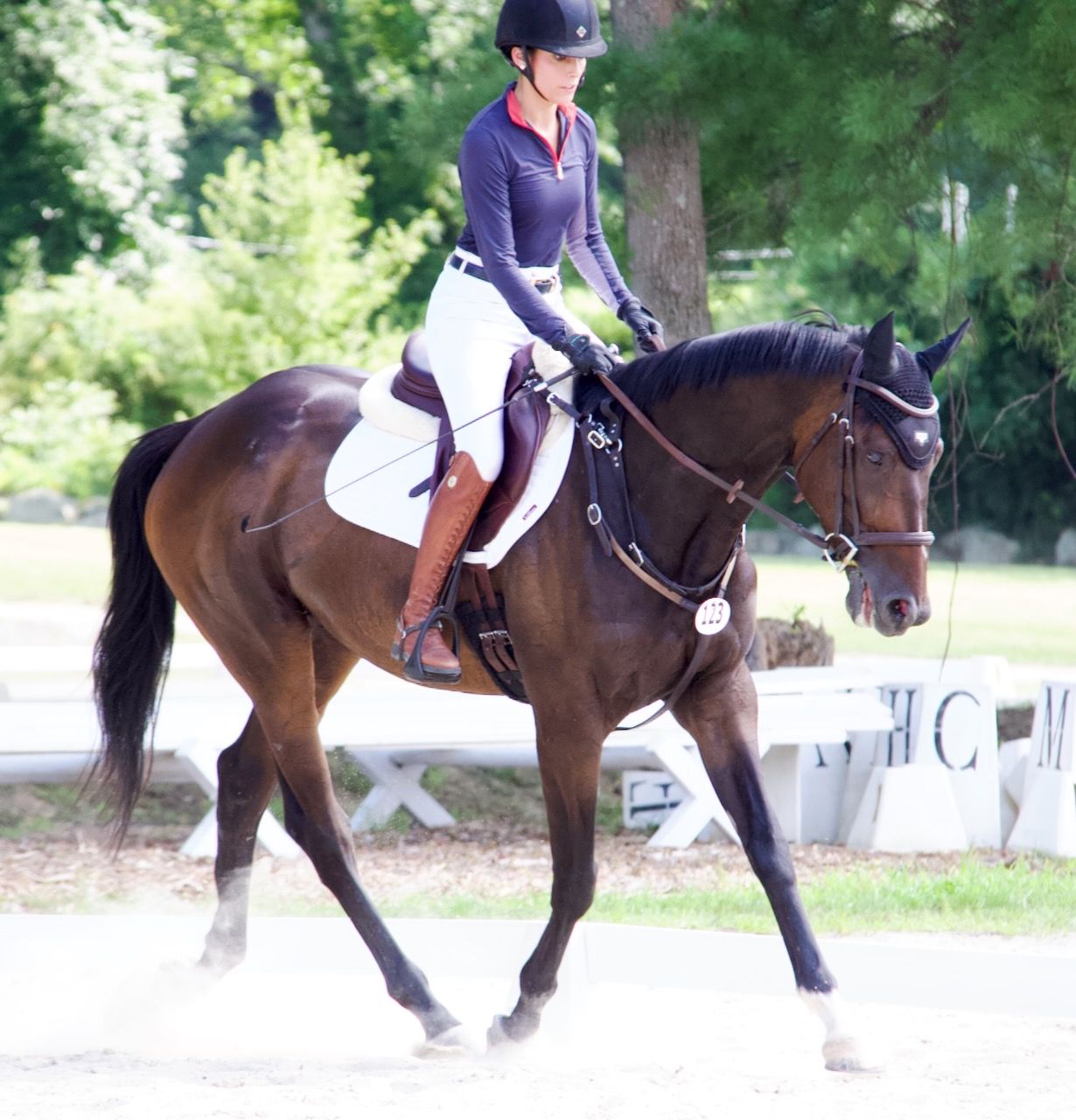
"In preparing a horse to compete at the Thoroughbred Makeover in Kentucky, you have a limited window of time in order to train your Thoroughbred to a certain level. This year I am taking a lovely 4 year old Thoroughbred, Magnetic Appeal (also known as Gus) with hope to compete in both the Dressage and Eventing disciplines. Due to the pressure that inevitably accompanies this preparation, I try to think of options to alleviate any associated stress or discomfort. 


I spoke to Dr. Fred Nostrant, Gus’s veterinarian, about ideal, non-invasive options for joint support while we introduce Gus to proper flat work and low level jumping. His primary recommendation was Adequan® injections. 
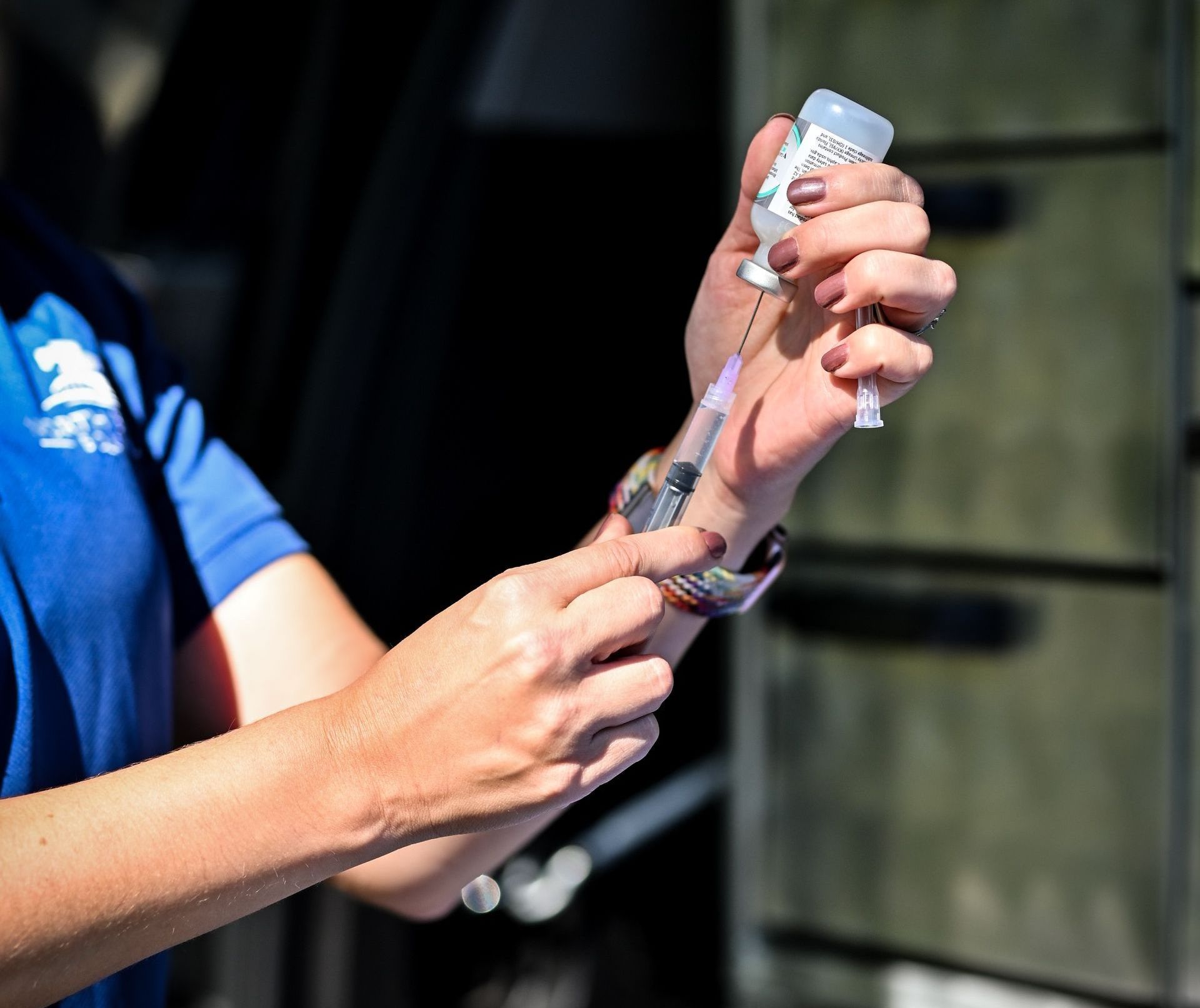
Adequan® i.m. polysulfated glycosaminoglycan (PSGAG) solution is a safe, effective option for horses that need support for non-infectious degenerative and/or traumatic joint dysfunction of the carpal and hock joints.


The standard loading dose is a series of 7, 5ml intra-muscular injections given every 3-4 days. I loved this idea for Gus because given he is only 4 years old, I did not think he was ready for joint injections, but wanted to get ahead of any discomfort he may be experiencing as he grows and learns. 


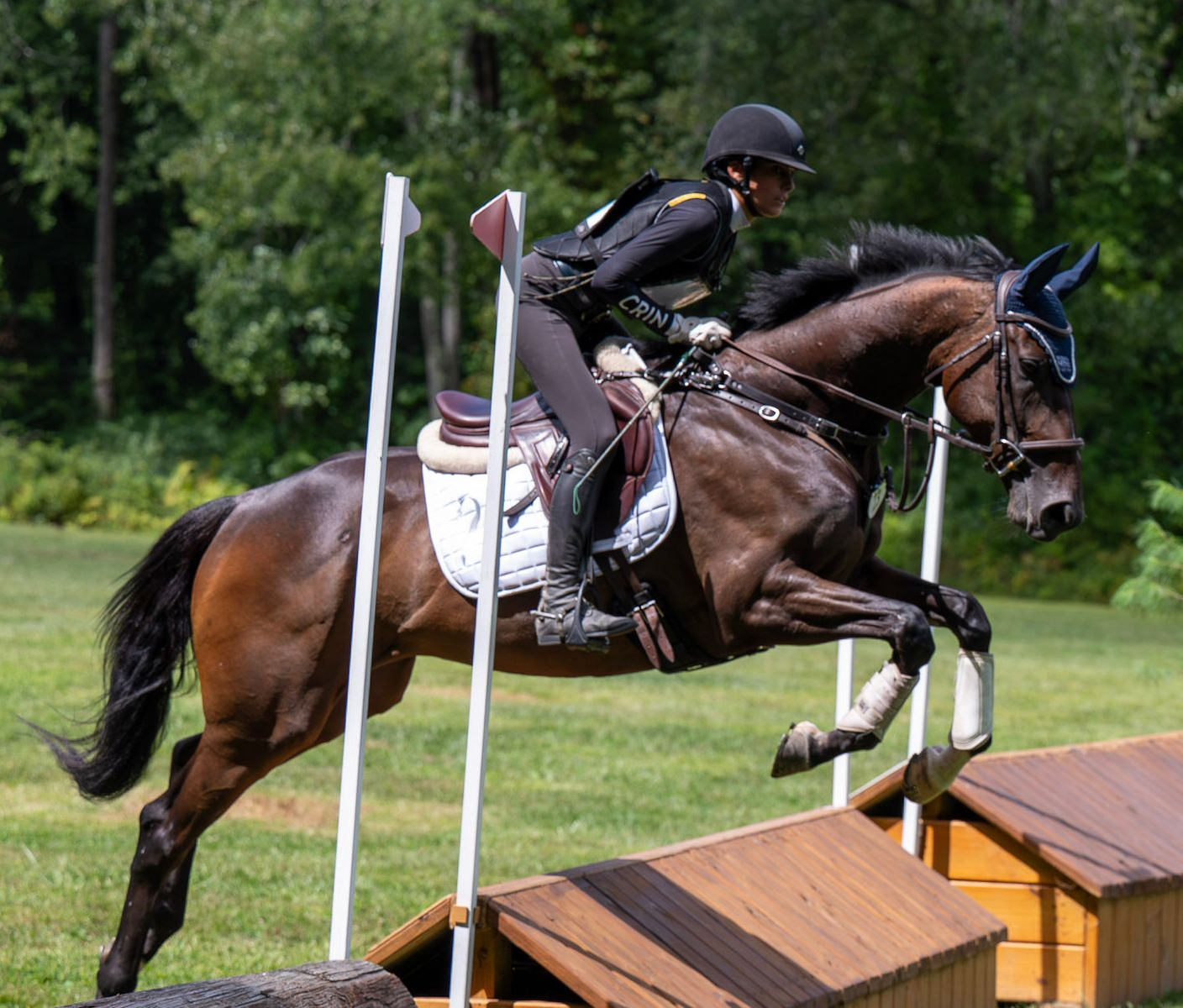
I have already been impressed with the changes and development I am seeing since starting Adequan®. He has demonstrated increased levels of comfort in his willingness to work, and I have noticed he easily canters on the correct lead, while also being quicker in the transition. I have noticed that he is pushing off more evenly over fences, and exhibiting more thoroughness in his flat work. I have even started to ask for more advanced lateral work movements and he has been happy and willing. 


I have also noticed physical changes in Gus since he has been more comfortable. His improved way of moving has contributed to better muscle development over his entire topline and hind end. We still have a long way to go before the Makeover, but I am so excited about the changes I am seeing. 


Overall, if you are looking for an easy, non-invasive way to help your horse, definitely consider asking about Adequan® as an option. I am so grateful to the North Bridge Equine team, and Dr. Nostrant for their continued guidance on this journey."


Contact your vet to ask if Adequan® IM injections would be right for your horse!

Recent Posts
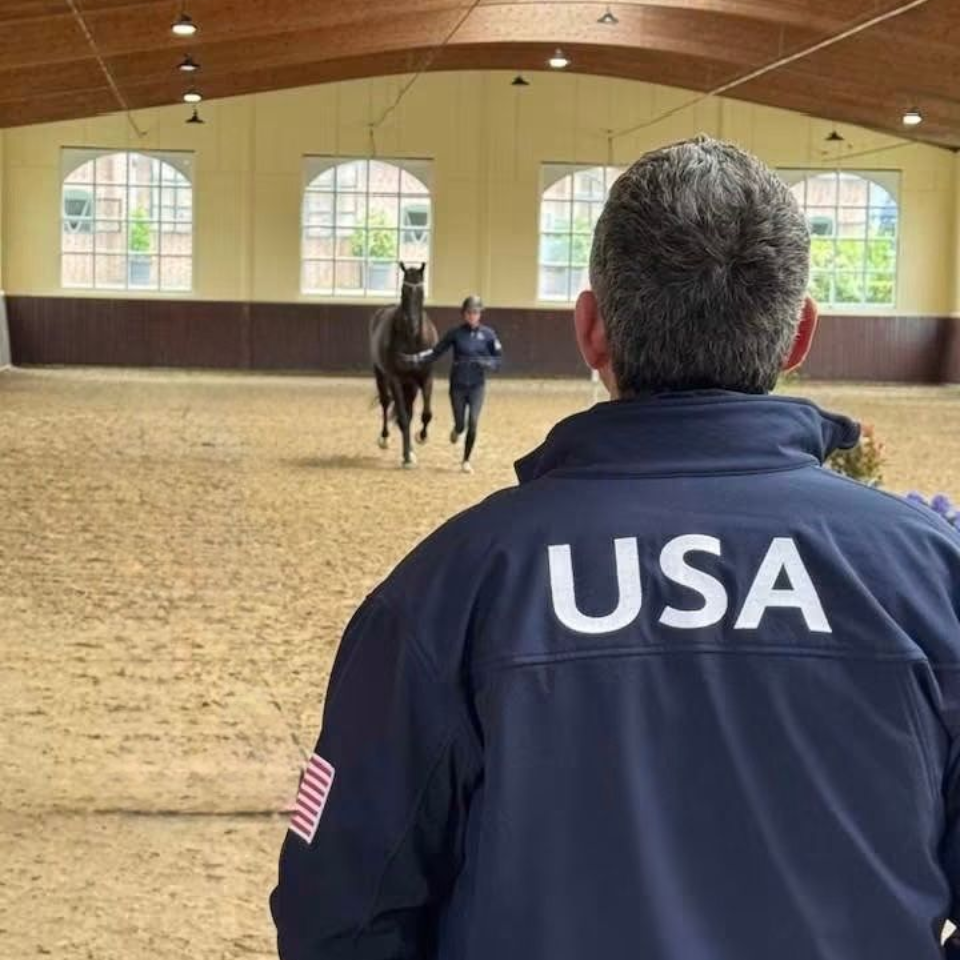
Dr. Fred Nostrant USEF veterinarian watching a horse jog in Germany
By Fred Nostrant, DVM August 24, 2026
Go behind the scenes at Future Champions in Germany as Dr. Fred Nostrant shares life as the USEF team veterinarian and America's young dressage riders compete in Europe.
Dr Fred Nostrant USEF team veterinarian applauding rider performances with the rest of the team
By Fred Nostrant, DVM August 10, 2026
Follow the 2026 USEF Young Rider European Tour in Belgium as Dr. Fred Nostrant shares behind-the-scenes insights into elite horse care and international dressage.
North Bridge Equine veterinarian performing chiropractic adjustment on a performance horse
By Fred Nostrant, DVM August 3, 2026
Learn how equine chiropractic care and spinal manipulation can help horses with back pain, neck pain, stiffness, performance issues, and mobility restrictions. Discover the benefits, risks, and what to expect during a chiropractic evaluation.
Equine stifle joint X-ray showing the femur, patella, and tibia in a horse’s hind limb.
By The North Bridge Equine Team June 11, 2026
Learn how the horse’s stifle joint works, common signs of stifle problems, and treatment options including joint injections, IRAP, shockwave therapy, and Adequan from an equine veterinarian.
By North Bridge Equine April 13, 2026
Pasture Management for Springtime Grass After months of barren ground or snow covered fields, we are slowly starting to see the gorgeous signs of spring in New England once again. The horses are shedding and eagerly awaiting any chance they have to nibble some delicious green grass. Below we provide very helpful guidelines for the slow controlled introduction to keep our horses safe and healthy. Horses that always live outside have the benefit of mother nature's slow introduction to grass as it grows through the first weeks of spring. Horses living in stalls with only partial day turnout have to be more strictly controlled in their introduction to pasture to prevent the serious trouble that can occur with too much fresh grass too quickly. Over indulgence in grass can result in gas colic and laminitis. So what can you do to protect your horse from the potential hazards of too much grass too quickly? Here are guidelines to assist you in coming up with a pasture introduction plan: Horses on 2-12 hours a day of pasture: If you have limited pasture but still want your horse to reap the benefits of daily turnout you probably fall into this category. Most horses in a boarding situation with access to grass will be in this group. Take care to closely follow a pre-determined time scale of introduction for these horses. We recommend the following graduated schedule: Days 1-3: 20 min/day Days 4-6: 1hr/day Days 6-9: 2 hrs/day Days 10-12: 3 hrs/day Day 13 and beyond: unlimited in horses who are not overweight or sensitive. You can also use a grazing muzzle (see below) if you need to introduce pasture more rapidly. With a grazing muzzle you can add 20 min per day of turnout until on full turnout. Once on full turn out keep muzzle on for about a week then alternate every other day for a week then it should be safe to remove the grazing muzzle.
Overweight horse with cresty neck and regional fat deposits, illustrating common signs of EMS
By The NBEA Team March 1, 2026
Equine Metabolic Syndrome (EMS) is a common cause of laminitis linked to insulin dysregulation. Learn the signs, diagnosis, and practical management strategies to help your horse stay healthy, comfortable, and thriving with thoughtful veterinary guidance.
By Stephanie R. Shen, DVM February 24, 2026
Learn about vaccines and wellness exams and why both are important for your horse.
Sport horse and rider jumping a green show fence during competition, showing athletic performance
By Fred Nostrant, DVM December 30, 2025
Suspensory ligament injuries in sport horses explained—recovery timelines, rehab expectations, and when it’s safe to return to competition.
Sport horse and rider jumping over a cross country jump in a field
By Stephanie Shen, DVM December 23, 2025
Explore targeted treatments for back pain in performance horses, including diagnosis, therapy options, and strategies to support long-term soundness.
By Stephanie Shen, DVM November 4, 2025
Understand equine IBD and free fecal water syndrome, why they occur, what signs to watch for, and how these conditions are managed.