Blog
Stifle Lameness in Horses: Why Hind-End Problems Affect Performance
The stifle joint is the largest joint in the horse’s body and plays a critical role in movement, propulsion, and athletic performance. Because it is such a powerful and high motion joint, even subtle problems can significantly impact comfort, soundness, and performance.
As equine veterinarians, we frequently evaluate horses with vague hind-end lameness or performance changes that ultimately trace back to the stifle. Understanding how this joint functions—and what can go wrong—can help you recognize issues early and seek appropriate care.

What Is the Stifle Joint?
The stifle is the equivalent of the human knee. It connects the femur (thigh bone) to the tibia (shin bone) and includes the patella (kneecap). It is a large, weight-bearing joint responsible for:
- Power generation for forward movement
- Extension (straightening) and Flexion (bending) of the hind limb
- Engagement of the hindquarters
- Agility and collection
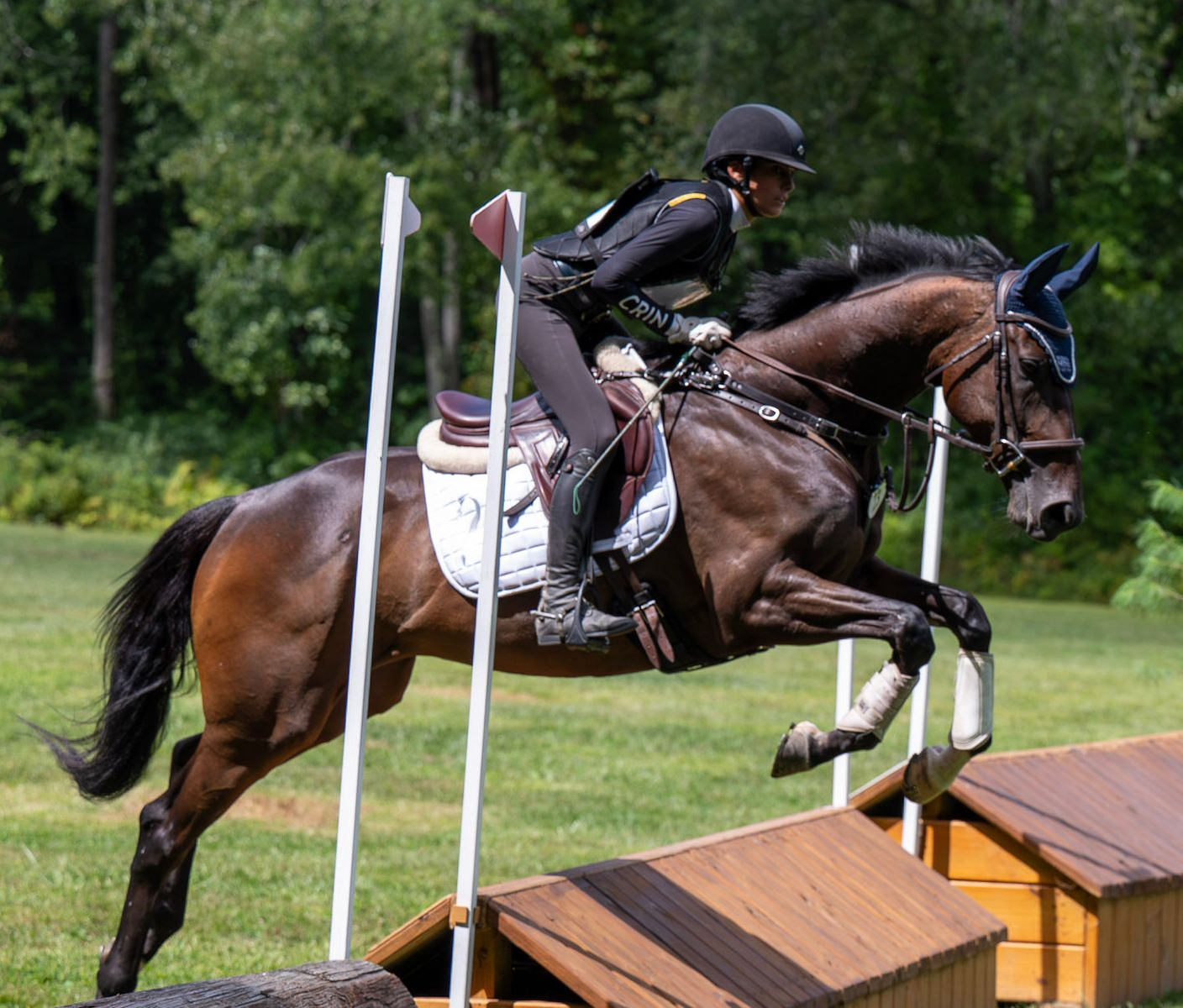
Because the stifle is deeply involved in propulsion, it is particularly important for performance horses in disciplines requiring transitions, collection, jumping, or rapid directional changes.
How the Stifle Joint Works :
Patellar Movement
When a horse extends its hind leg:
- The patella (kneecap) slides down over a bony ridge called the medial trochlea, located on the lower portion of the femur.
When the horse brings the hind leg back underneath the body:
- The patella slides back up over the medial trochlea.
This smooth gliding motion allows efficient extension and flexion of the hind limb.
The Passive Stay Mechanism
The stifle also contains a specialized “passive stay” mechanism.
This mechanism allows the patella to lock in place over the medial trochlea, keeping the stifle extended without muscular effort. Horses use this ability when they “lock” their stifles while sleeping standing up. It’s an elegant energy-conserving system—but when dysfunction occurs, it can contribute to mechanical problems or discomfort.

Signs of Stifle Joint Problems in Horses
Stifle issues can present subtly at first. Owners often notice performance concerns before obvious lameness develops.
Common signs of stifle joint pain or dysfunction include:
- Difficulty picking up the correct lead behind
- Trouble with transitions (especially down-transitions)
- Cantering in a “bunny hopping” manner
- Dragging a hind toe
- A hitch, catch, or hesitation in the gait
- Reduced impulsion from behind
- Resistance to collection or engagement
Because hind-end lameness can be complex, a thorough veterinary examination is essential for accurate diagnosis.The stay apparatus also presents a complicating factor because it decreases the veterinarian’s ability to evaluate each joint in isolation (ie, hock and stifle must flex and extend together).

Why Early Evaluation Matters
The stifle joint absorbs significant stress during athletic activity. Inflammation within the joint can lead to:
- Decreased performance
- Pain
- Progressive cartilage damage
- Compensatory strain on other structures
Early intervention improves outcomes and helps protect long-term joint health.
If you suspect a stifle issue, scheduling a veterinary evaluation allows us to localize the source of discomfort and develop a targeted treatment plan.

Treatment Options for Stifle Joint Pain
The good news is that many stifle issues respond well to appropriate therapy. Treatment plans are individualized based on your horse’s diagnosis, discipline, and workload.
At NBEA, we utilize several evidence-based options to reduce stifle joint pain and inflammation and improve soundness:
1. Systemic Anti-Inflammatory Medications
These medications reduce inflammation throughout the body and can help manage acute flare-ups or chronic joint inflammation. These medications include phenylbutazone ("Bute"), flunixin meglumine ("Banamine"), and firocoxib ("Equioxx").
2. Intra-Articular Joint Injections (Including Ortho-Biologics)
Joint injections deliver medication directly into the stifle joint. Depending on the case, this may include:
- Corticosteroids
- Hyaluronic acid
- Ortho-biologic therapies
These treatments help decrease inflammation, improve joint lubrication, and support cartilage health. Learn more about joint injections here and regenerative/ortho-biologics here.
3. Shockwave Therapy
Shockwave therapy can stimulate healing and reduce inflammation in surrounding soft tissues associated with the stifle. You can learn more about our shockwave therapy here.
4. Acupuncture
Acupuncture may be used as a complementary therapy to reduce pain and improve comfort and mobility. You can learn more about our acupuncture treatments here.
5. Adequan/Legend
Adequan (PSGAG) and Legend (HA) are injectable joint medications that support cartilage health and help to reduce inflammation associated with degenerative joint disease. Real world use of Adequan
here.

The Importance of a Veterinary-Guided Plan
While joint injections and therapies can be highly effective, they are not one-size-fits-all solutions. Successful management depends on:
- Accurate diagnosis
- Proper imaging when indicated
- Strategic rehabilitation
- Thoughtful return-to-work planning
- Ongoing monitoring, maintenance and prevention.
Working closely with your veterinarian ensures that your horse receives a treatment plan tailored to their specific needs and performance goals.
When to Call Your Veterinarian
Contact your veterinarian if you notice:
- Repeated difficulty with leads or transitions
- A ‘falling out’ or “flat tire” feeling with down-transitions
- A change in hind-end engagement
- Unexplained resistance under saddle
- Subtle but persistent gait irregularities
Addressing stifle issues early often leads to better outcomes, less behavioral issues and a faster return to comfortable performance.
In Summary
The stifle is a powerful joint essential to your horse’s movement and agility. Because it plays such a central role in performance, even mild inflammation can have noticeable effects.
The encouraging news is that with timely diagnosis and a strategic treatment plan—including options like joint injections, systemic medications, shockwave therapy, acupuncture, and injectable maintenance medications Adequan and Legend—many horses experience significant improvement in comfort and mobility.
If you have concerns about your horse’s hind-end performance or suspect a stifle issue, don’t hesitate to seek veterinary care. Early intervention protects both soundness and longevity—and helps your horse feel and perform their best.
This article was written by the veterinarians at North Bridge Equine Associates, an ambulatory equine veterinary practice serving horses in Massachusetts and surrounding regions. The information provided is intended for general educational purposes and is not a substitute for veterinary examination or care.
North Bridge Equine Associates
978-337-1260
Servicing Massachusetts, New Hampshire, and seasonal service to Aiken, South Carolina
Recent Posts