Blog
Targeted Treatments for Back Pain in the Performance Horse
A practical, evidence-based guide for riders and trainers.
Back pain is a common and often performance-limiting issue in sport horses. Once the primary source of pain is accurately identified, choosing the correct treatment—and pairing it with an appropriate rehabilitation program—is essential for durable, long-term improvement.
Below is an overview of the most commonly used targeted therapies for equine back pain, with an emphasis on when and why each treatment is used.

Dorsal Spine (Kissing Spine) Injections
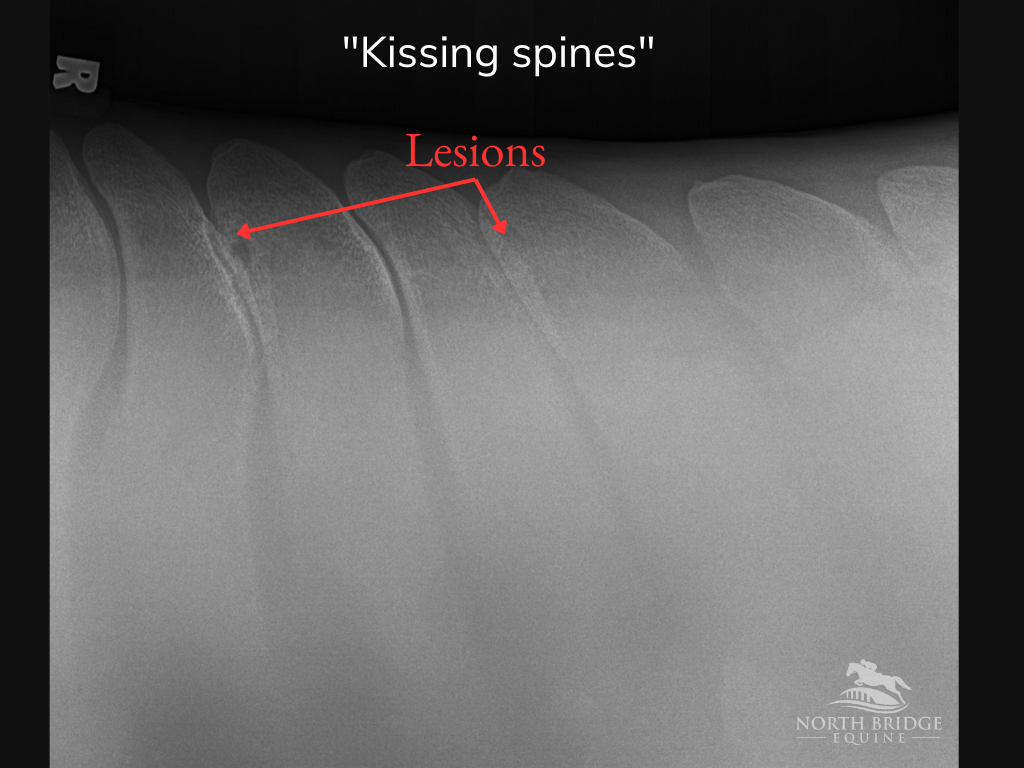
Kissing spine, or impinging dorsal spinous processes, is a frequent cause of back pain—particularly in jumping horses.
Contributing Factors
- Genetic predisposition
- Poor saddle fit
- Inadequate topline and core musculature
Common Clinical Signs
- Resistance to working in a frame
- Hollow or stiff way of going
- Flat or inconsistent jumping style
Diagnosis and Treatment
- Diagnosed through:
- Careful palpation
- Radiographs (X-rays)
- Treatment typically begins with targeted injections between affected spinous processes
- Reducing pain allows the horse to:
- Lift the back
- Rebuild muscle
- Move more correctly during rehabilitation
Lumbar Facet Joint Injections
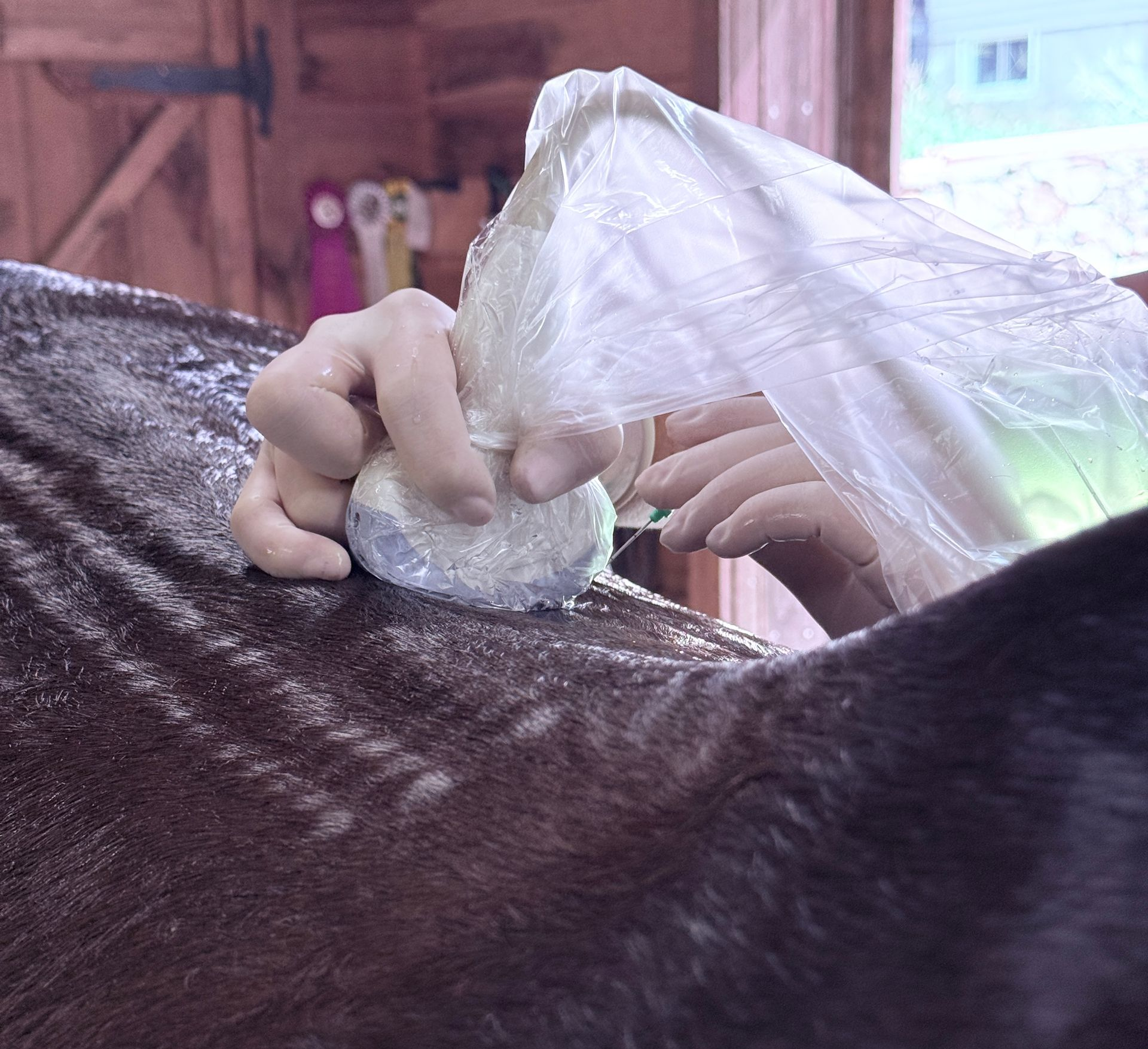
Facet joints are small stabilizing joints along the spine that allow controlled bending and flexibility.
When Facet Pain Is Suspected
- Stiffness through the back
- Uneven bend or asymmetry
- Resistance to lateral work
- Frequently noted in dressage horses
Treatment
- Due to their small size and deep location, injections are performed under ultrasound guidance
- Effective therapies may include:
- Corticosteroids
- Biologic injectables
Mesotherapy
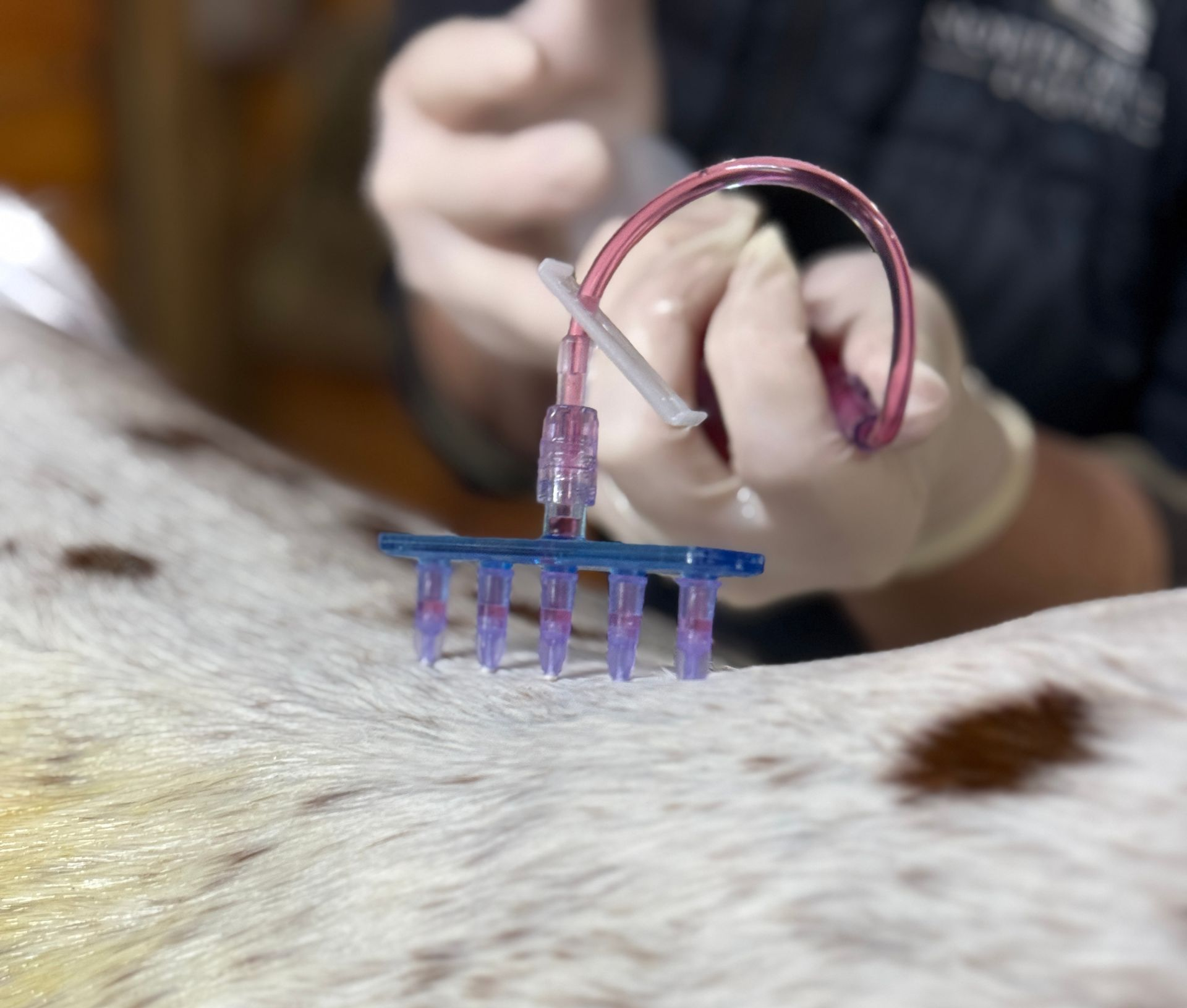
Mesotherapy involves injecting very small amounts of medication just beneath the skin along the back to short-circuit tiny sensory nerves that transmit pain signals to the brain.
Best Uses
- Mild to moderate back pain
- Muscle tightness
- Saddle-related soreness
Key Benefits
- Interrupts the pain–spasm cycle
- Can be safely repeated as needed
Chiropractic (Veterinary Spinal Manipulation)
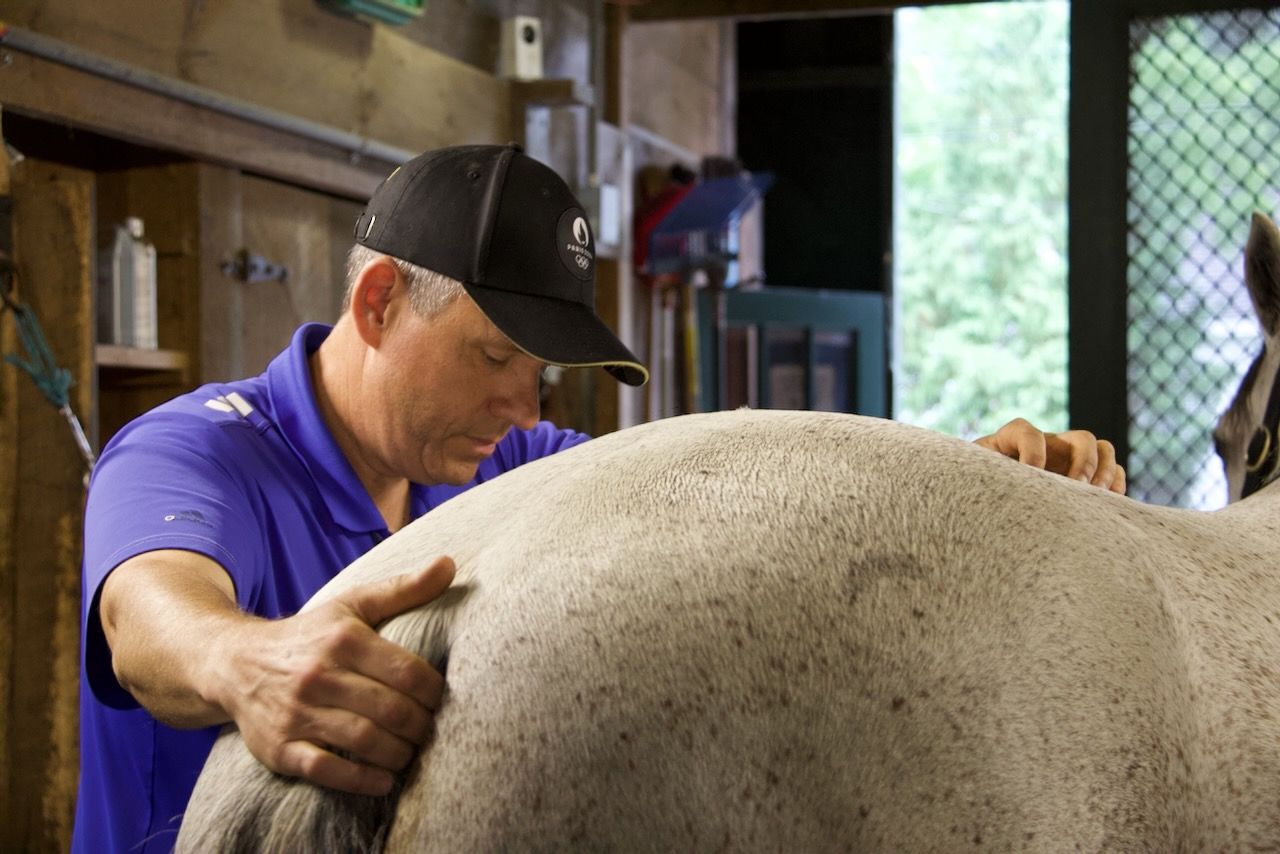
Veterinary chiropractic care focuses on restoring normal motion and joint mechanics throughout the spine.
Benefits
- Improves spinal mobility
- Enhances nerve function and circulation
- Supports comfort and performance
Clinical Use
- Often incorporated:
- As part of routine performance maintenance
- During rehabilitation following injury
- Must be performed by certified veterinary practitioners
Acupuncture
Acupuncture is a valuable tool for managing muscle soreness, tension, and spasm associated with back pain.
Clinical Advantages
- Promotes relaxation and improved muscle function
- Can be combined with other therapies
Advanced Techniques
- Electro-acupuncture may be used to enhance pain relief and muscle relaxation
- Many performance horses benefit from monthly maintenance sessions
Shockwave Therapy
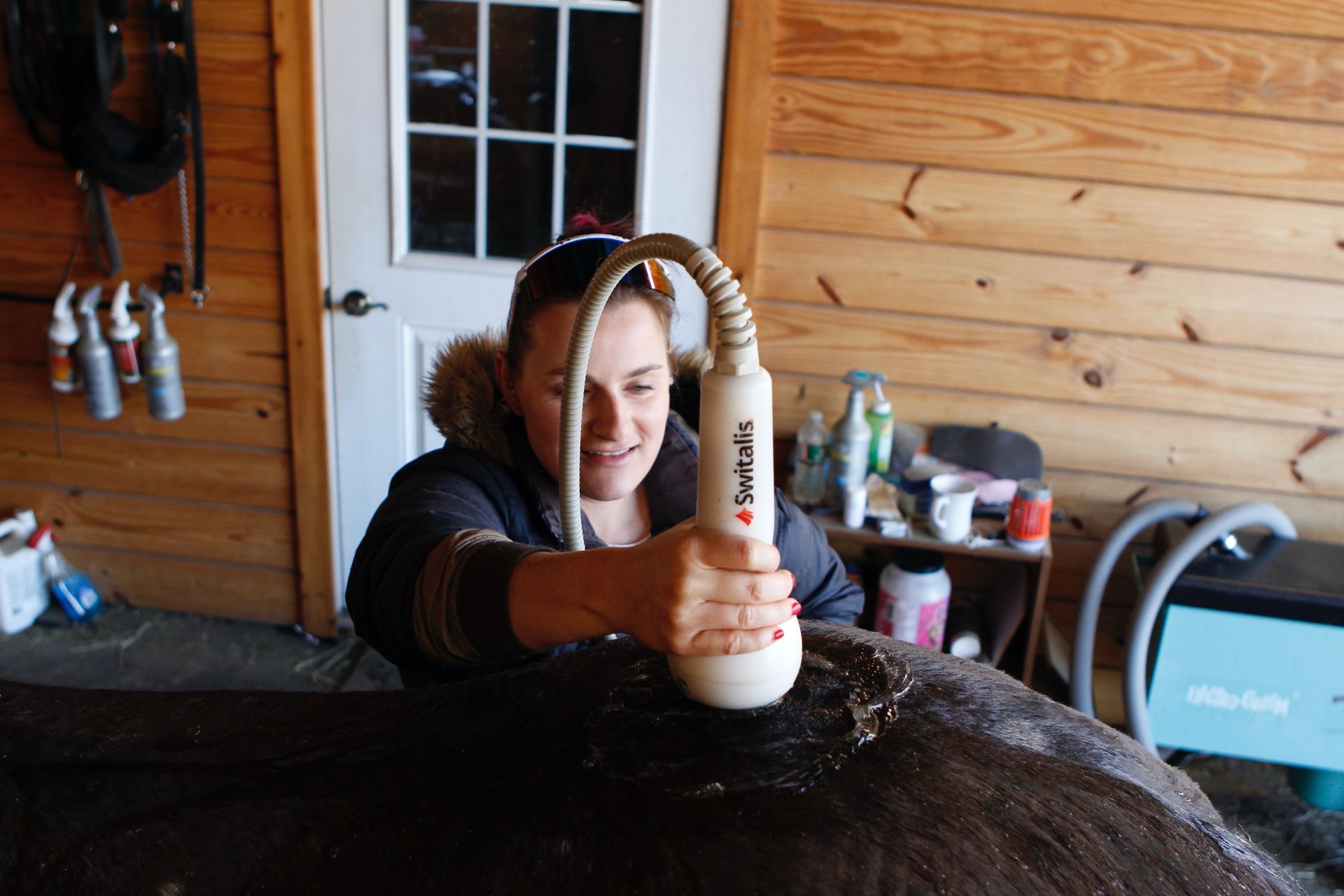
Shockwave therapy is a non-invasive modality used to reduce pain and muscle tension.
Ideal Applications
- Secondary back pain due to compensation from other joint issues
- Soreness associated with increased workload
Practical Advantages
- Helps relax tight muscles and disrupt painful spasm cycles
- Many horses tolerate treatment
without sedation
Functional Electrical Stimulation (FES)
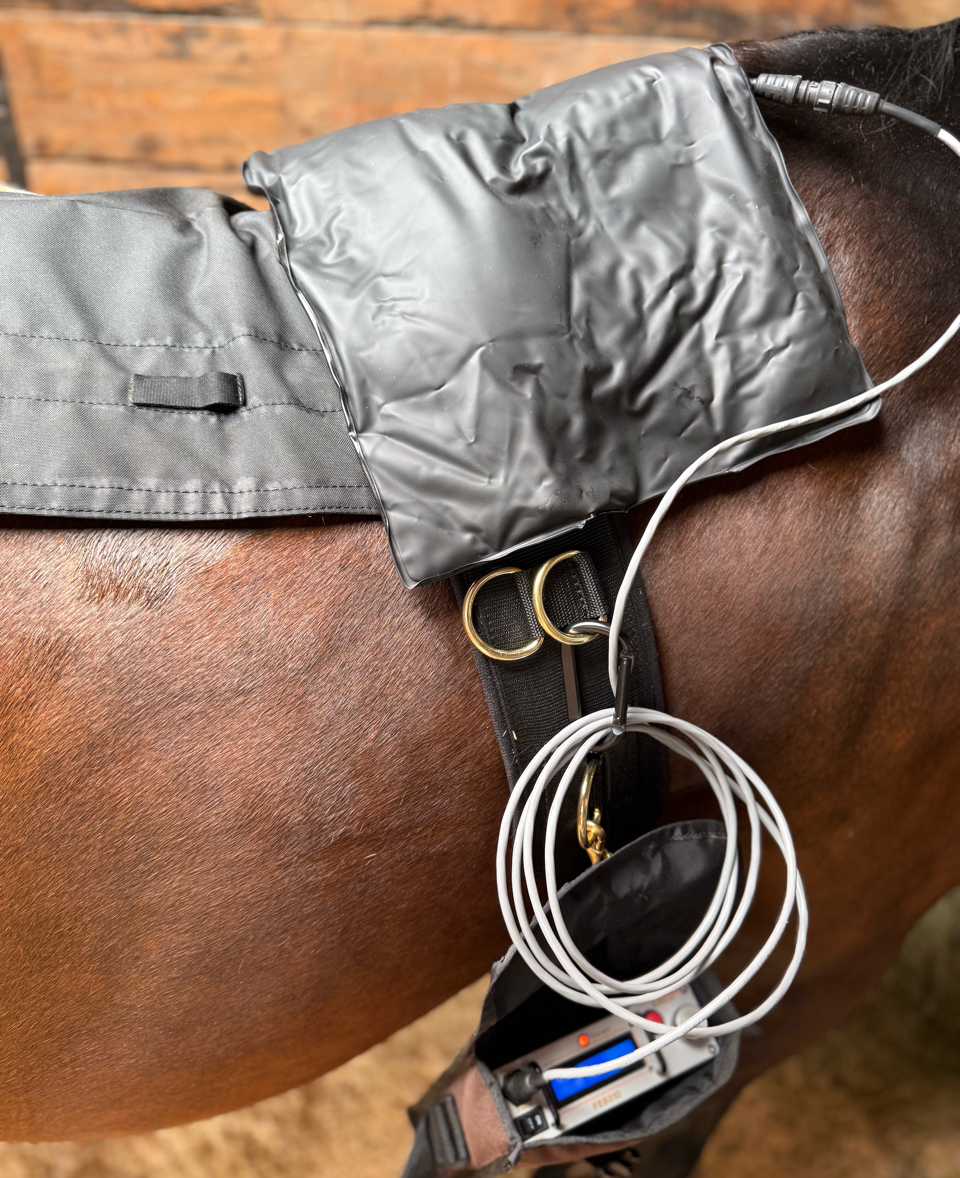
FES is a rehabilitation-focused therapy that improves muscle activation and symmetry.
Therapeutic Effects
- Increases strength and range of motion
- Reduces muscle spasm and hypertonicity
- Encourages correct use of the back
Clinical Role
- Most effective when used alongside other treatments
- Particularly valuable during structured rehab programs
- Highly effective at building muscle without the horse needing to exercise through targeted treatment
Methocarbamol (Robaxin®)
Methocarbamol is a short-term muscle relaxant commonly used in performance horses.
Appropriate Use
- Periods of increased training intensity
- To promote comfort throughout competition
- Temporary muscle soreness
Important Considerations
- Should be used judiciously
- Always account for competition withdrawal times
Sacroiliac (SI) Joint Injections
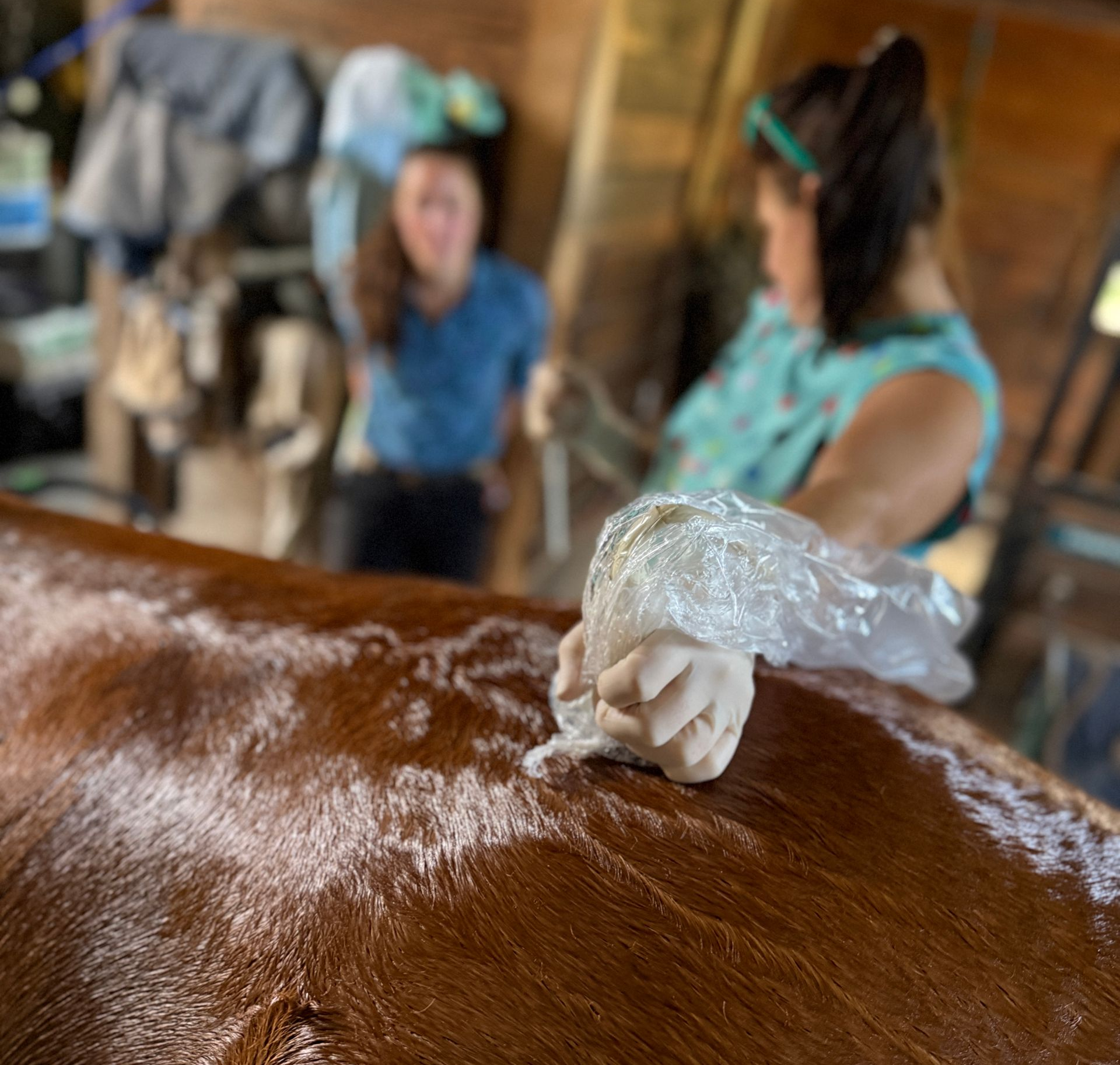
The sacroiliac joint is a ligamentous connection between the spine and pelvis and is critical for hind-end engagement and power.
Common Signs of SI Pain
- Difficulty maintaining collection
- Trouble with lead changes behind
- Resistance in jumping combinations
- Bucking or reluctance at the canter
Key Clinical Notes
- SI pain is often secondary to issues such as hock arthritis or suspensory ligament disease
- It can also occur as a primary source of pain
Treatment
- Injections are performed under ultrasound guidance for accuracy
- Medications may include:
- Corticosteroids (to reduce inflammation)
- Biologic therapies (to support tissue health and healing)
A Healthy Back Is the Foundation of Performance
Back pain does not have to end a horse’s training or competitive career.
With:
- Thorough diagnostics
- Targeted, evidence-based treatments
- A tailored rehabilitation plan
Most horses can return to comfortable, confident, and correct performance.
If you suspect your horse’s back may be limiting their potential, early evaluation and intervention make all the difference—because every great performance starts with a healthy, happy back.
This article was written by the veterinarians at North Bridge Equine Associates, an ambulatory equine veterinary practice serving horses in Massachusetts and surrounding regions. The information provided is intended for general educational purposes and is not a substitute for veterinary examination or care.
North Bridge Equine Associates
978-337-1260
Servicing Massachusetts, New Hampshire, and seasonal service to Aiken, South Carolina
Recent Posts