Blog

Home/ Blog

RRP Thoroughbred Makeover Sponsorship

North Bridge Equine Team • June 18, 2025

Supporting our clients in their journey with their OTTBs
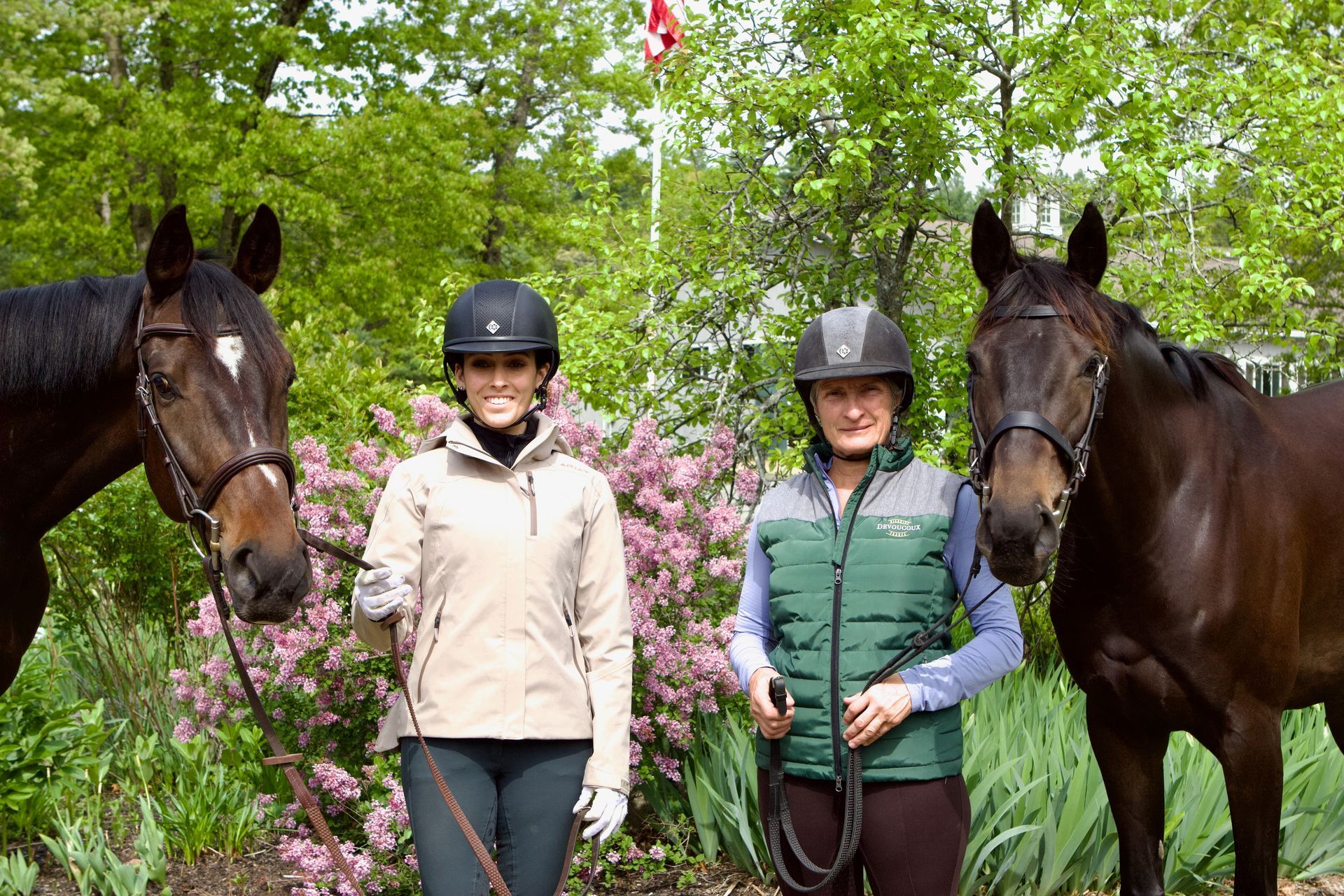
  In the heart of Apple Knoll Farm, two dedicated horsewomen and long-time clients of NBEA, Adrienne Iorio and Julia Grella, are embarking on an extraordinary journey—one filled with transformation, determination, and the undeniable spirit of the Thoroughbred.

Their partners in this challenge, Jasmine (Caribbean Night) and Gus (Magnetic Appeal), are no strangers to the competitive world. Once fierce contenders on the racetrack, these athletic Thoroughbreds are now stepping into a new chapter, where training meets trust, and a second career takes shape. Through the 2025 Retired Racehorse Project Thoroughbred Makeover, they will evolve into polished competitors, their talents shining brightly on the grand stage of Kentucky Horse Park this October.

But this isn’t just about competition—it’s a celebration of possibility. The Thoroughbred Makeover, hosted by the Retired Racehorse Project (RRP), is the largest Thoroughbred retraining event in the world, proving time and time again that these horses are more than their race records. With disciplines ranging from dressage and show jumping to ranch work and eventing, the Makeover showcases their adaptability, heart, and limitless potential for success beyond the track.


Meet the Stars of the Journey:
Caribbean Night ("Jasmine") – A 2019 mare by Cross Traffic, Jasmine left her mark on the racing world with 28 starts, 3 wins, 7 seconds, and 4 thirds, earning $67,416 along the way.

Magnetic Appeal ("Gus") – A 2021 gelding by Enticed, Gus showed promise with 12 starts, 2 wins, 1 second, and 1 third, securing $24,400 in earnings before finding his way to this exciting new challenge.

As we cheer on Adrienne, Julia, Jasmine, and Gus, we celebrate not just their hard work, but the incredible journey of all off-track Thoroughbreds that make up a large percentage of the horses that we work with and support—their resilience, their versatility, and their boundless future beyond the track.
Recent Posts
North Bridge Equine veterinarian performing chiropractic adjustment on a performance horse
By Fred Nostrant, DVM August 3, 2026
Learn how equine chiropractic care and spinal manipulation can help horses with back pain, neck pain, stiffness, performance issues, and mobility restrictions. Discover the benefits, risks, and what to expect during a chiropractic evaluation.
Equine stifle joint X-ray showing the femur, patella, and tibia in a horse’s hind limb.
By The North Bridge Equine Team June 11, 2026
Learn how the horse’s stifle joint works, common signs of stifle problems, and treatment options including joint injections, IRAP, shockwave therapy, and Adequan from an equine veterinarian.
By North Bridge Equine April 13, 2026
Pasture Management for Springtime Grass After months of barren ground or snow covered fields, we are slowly starting to see the gorgeous signs of spring in New England once again. The horses are shedding and eagerly awaiting any chance they have to nibble some delicious green grass. Below we provide very helpful guidelines for the slow controlled introduction to keep our horses safe and healthy. Horses that always live outside have the benefit of mother nature's slow introduction to grass as it grows through the first weeks of spring. Horses living in stalls with only partial day turnout have to be more strictly controlled in their introduction to pasture to prevent the serious trouble that can occur with too much fresh grass too quickly. Over indulgence in grass can result in gas colic and laminitis. So what can you do to protect your horse from the potential hazards of too much grass too quickly? Here are guidelines to assist you in coming up with a pasture introduction plan: Horses on 2-12 hours a day of pasture: If you have limited pasture but still want your horse to reap the benefits of daily turnout you probably fall into this category. Most horses in a boarding situation with access to grass will be in this group. Take care to closely follow a pre-determined time scale of introduction for these horses. We recommend the following graduated schedule: Days 1-3: 20 min/day Days 4-6: 1hr/day Days 6-9: 2 hrs/day Days 10-12: 3 hrs/day Day 13 and beyond: unlimited in horses who are not overweight or sensitive. You can also use a grazing muzzle (see below) if you need to introduce pasture more rapidly. With a grazing muzzle you can add 20 min per day of turnout until on full turnout. Once on full turn out keep muzzle on for about a week then alternate every other day for a week then it should be safe to remove the grazing muzzle.
Overweight horse with cresty neck and regional fat deposits, illustrating common signs of EMS
By The NBEA Team March 1, 2026
Equine Metabolic Syndrome (EMS) is a common cause of laminitis linked to insulin dysregulation. Learn the signs, diagnosis, and practical management strategies to help your horse stay healthy, comfortable, and thriving with thoughtful veterinary guidance.
By Stephanie R. Shen, DVM February 24, 2026
Learn about vaccines and wellness exams and why both are important for your horse.
Sport horse and rider jumping a green show fence during competition, showing athletic performance
By Fred Nostrant, DVM December 30, 2025
Suspensory ligament injuries in sport horses explained—recovery timelines, rehab expectations, and when it’s safe to return to competition.
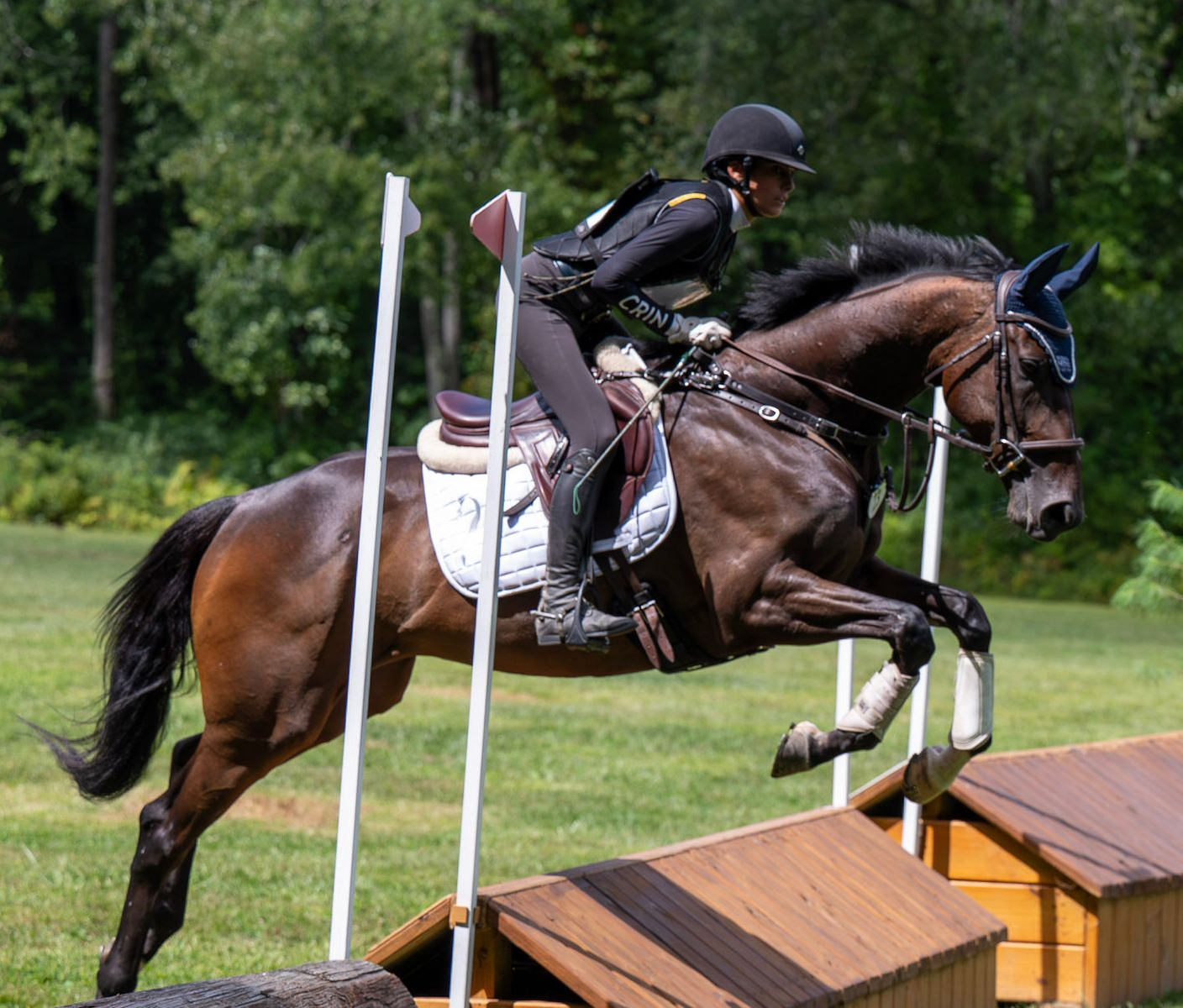
Sport horse and rider jumping over a cross country jump in a field
By Stephanie Shen, DVM December 23, 2025
Explore targeted treatments for back pain in performance horses, including diagnosis, therapy options, and strategies to support long-term soundness.
By Stephanie Shen, DVM November 4, 2025
Understand equine IBD and free fecal water syndrome, why they occur, what signs to watch for, and how these conditions are managed.
By North Bridge Equine Team November 4, 2025
Learn about our winter educational seminar and how to register
An equine veterinarian examining a horse's eye
By The NBEA Team October 21, 2025
A blog post by NBEA about equine eye health and the things for horse owners to be aware of and pay attention to regarding the health of their horse's eyes.