Blog
Preparing Your Senior Horse for Winter: Why Fall Bloodwork Matters
Winter is often the most challenging season for older horses. They naturally have a harder time maintaining body condition, may struggle to stay warm, and are more likely to develop or experience worsening metabolic or endocrine conditions. Catching small changes early can make a significant difference in helping your horse stay healthy and comfortable throughout the winter.

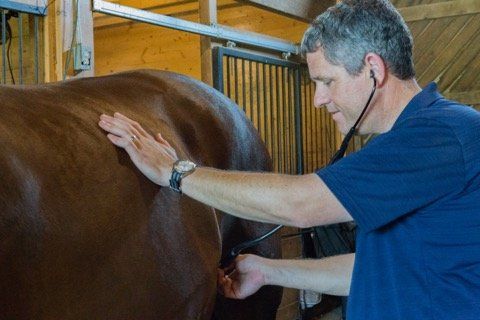
As the days get shorter and temperatures begin to drop, many horse owners are focused on blankets, hay, and making sure their horses are ready for winter. But for senior horses, preparing for the colder months should include more than just changes to their environment—it should also include a closer look at their health.
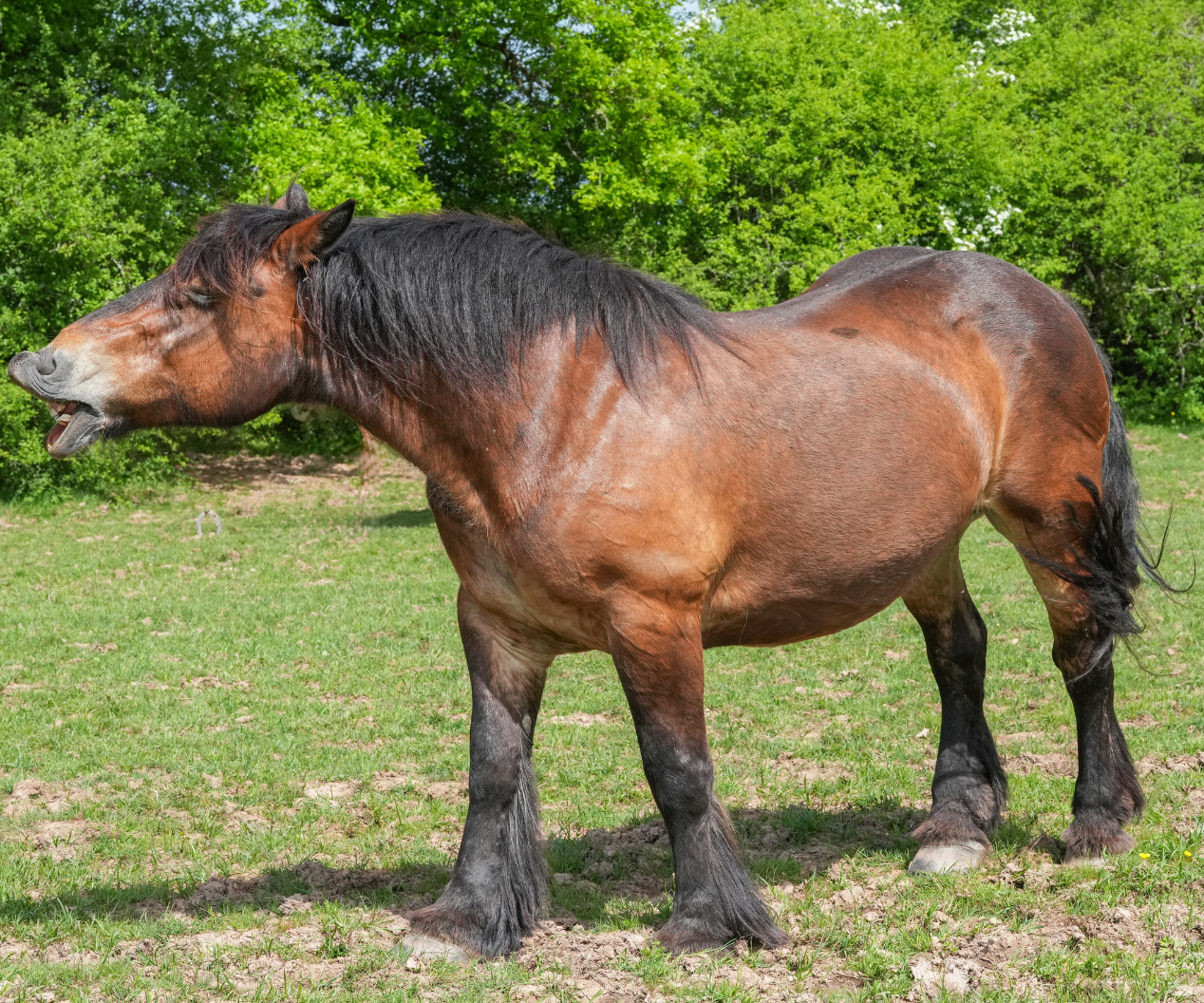
If your senior horse doesn't seem quite as bright as they did last year, is losing weight more easily, has become an "easy keeper" seemingly overnight, or simply seems a little different, it's worth having a conversation with your veterinarian.
Why get bloodwork?
One of the most valuable tools we have to evaluate a senior horse's overall health is bloodwork.
While a physical examination tells us a great deal, bloodwork allows us to look beneath the surface and identify problems that may not yet be obvious. Many age-related conditions begin with subtle internal changes long before a horse appears seriously ill.
At North Bridge Equine Associates, we often recommend bloodwork for senior horses in the fall to establish a baseline and identify issues that could become more problematic during the winter months.

Complete Blood Count (CBC)
A Complete Blood Count (CBC) evaluates your horse's blood cells, including white blood cells, red blood cells, and platelets. It provides valuable information about the immune system, hydration status, and whether inflammation or infection may be present.
A CBC may be recommended if your horse:
- Has a fever or appears ill
- Seems lethargic or "just isn't themselves"
- Has unexplained behavioral changes
- Travels or competes frequently and may be under increased physical stress
- Simply falls into the category many veterinarians affectionately call "ADR"—Ain't Doing Right
White blood cell counts can help us determine whether your horse may be fighting a bacterial infection, certain tick-borne diseases such as Anaplasma, or other illnesses that may not be immediately apparent.
Even healthy performance horses can benefit from periodic screening, as heavy travel and competition schedules may contribute to subtle immune suppression before obvious signs of illness develop.
Serum Chemistry
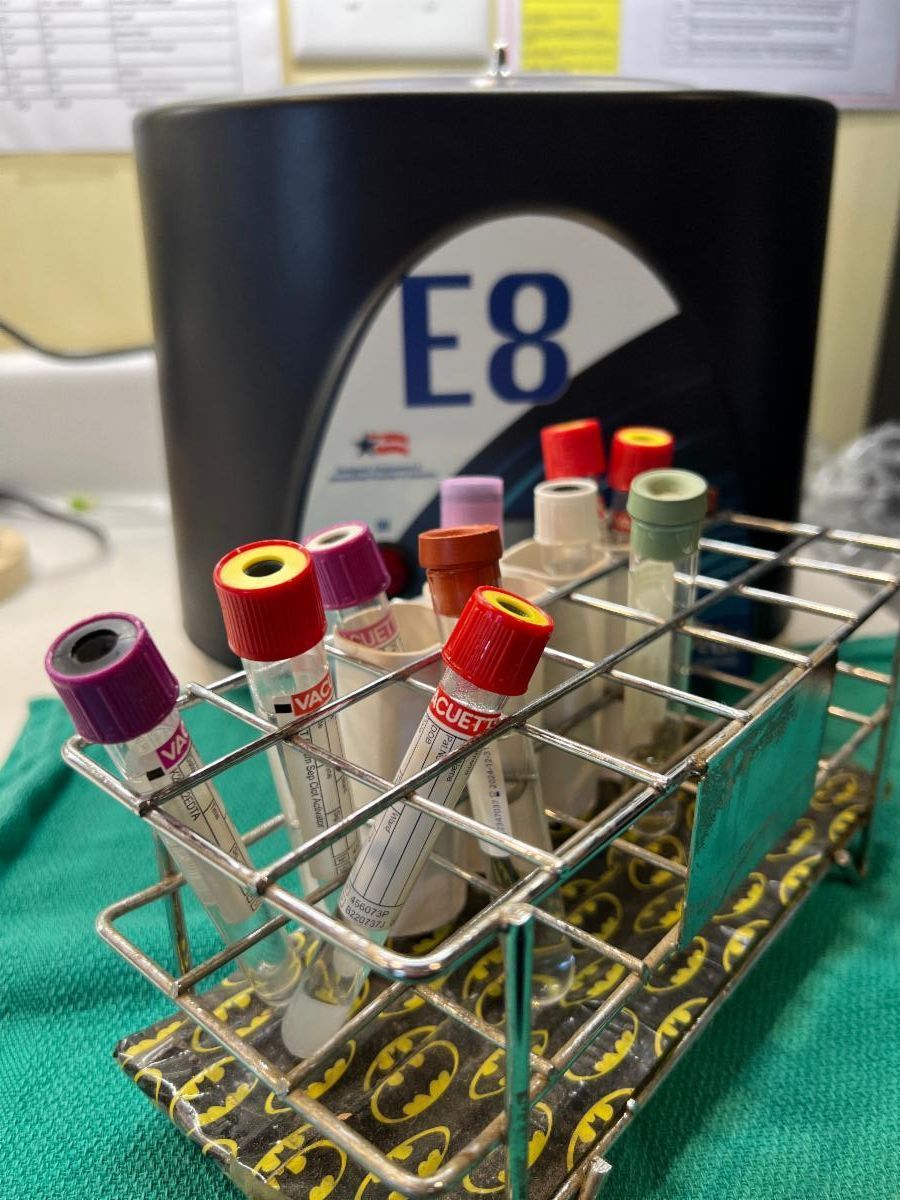
While the CBC evaluates blood cells, a serum chemistry panel examines how your horse's major organs are functioning.
This test measures kidney and liver values, muscle enzymes, proteins, electrolytes, and other important indicators of overall health. We typically recommend running a chemistry panel alongside the CBC so we can get a more complete picture of your horse's health.
A chemistry panel can help identify:
- Early kidney disease
- Liver dysfunction
- Dehydration
- Electrolyte abnormalities
- Muscle injury or tying-up episodes
- Protein loss associated with gastrointestinal disease
Medication Monitoring
Many senior horses receive non-steroidal anti-inflammatory drugs (NSAIDs) such as phenylbutazone (Bute), flunixin (Banamine), or firocoxib (Equioxx®).
While these medications can dramatically improve comfort and mobility, long-term use—or use in horses with underlying kidney disease—can increase the risk of kidney damage. Routine bloodwork allows us to monitor kidney function and make medication adjustments before problems become significant.
Monitoring Older Horses
As horses age, changes in kidney or liver function may develop gradually and without obvious clinical signs.
Identifying these changes early can help us:
- Adjust medication choices and dosages safely
- Recommend nutritional changes
- Monitor disease progression
- Develop management strategies that keep your horse comfortable for as long as possible
Small Changes Can Mean Something Bigger
You know what’s normal for your horse—and sometimes the first signs that something has changed are easy to overlook or chalk up to getting older.
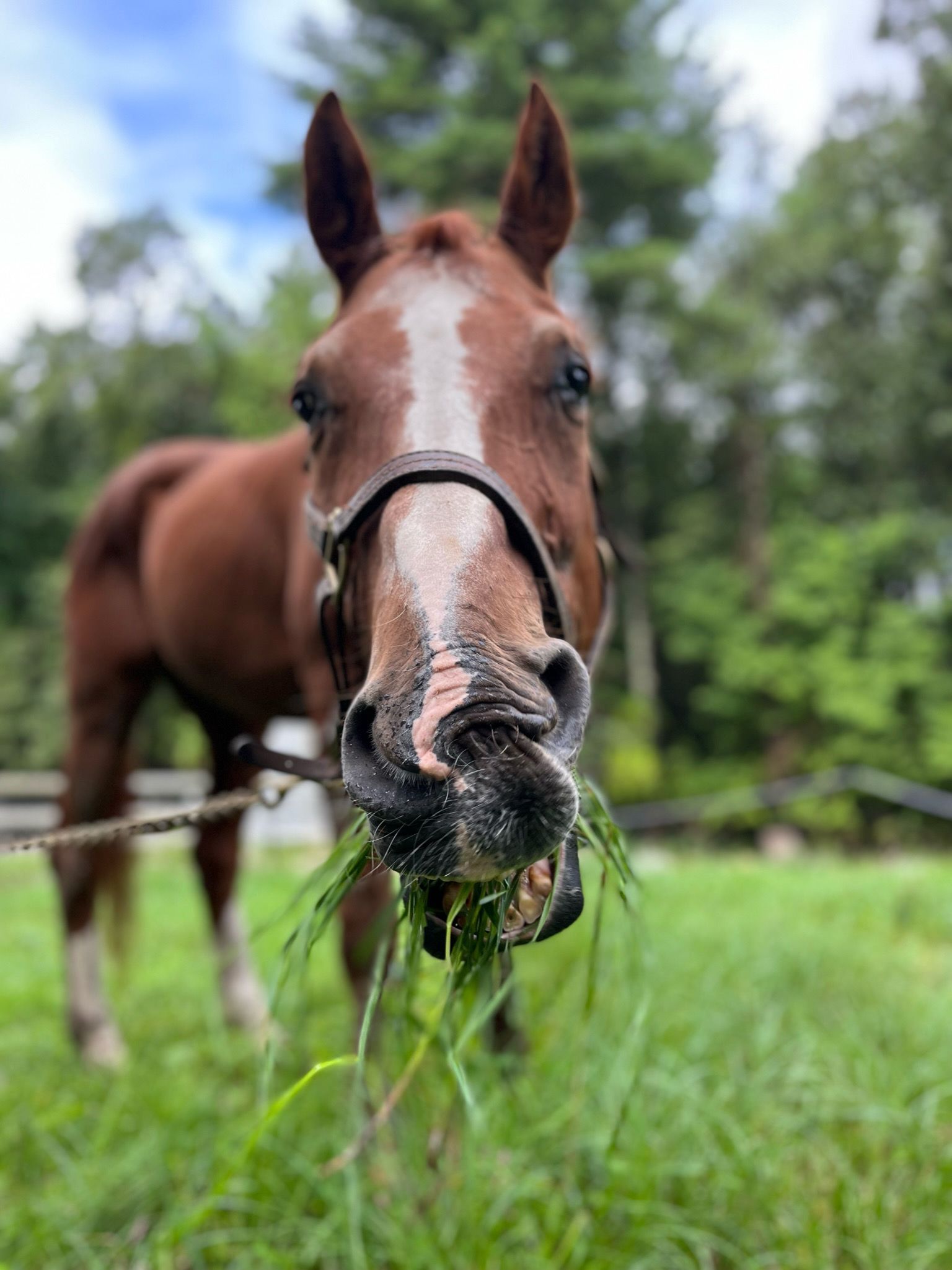
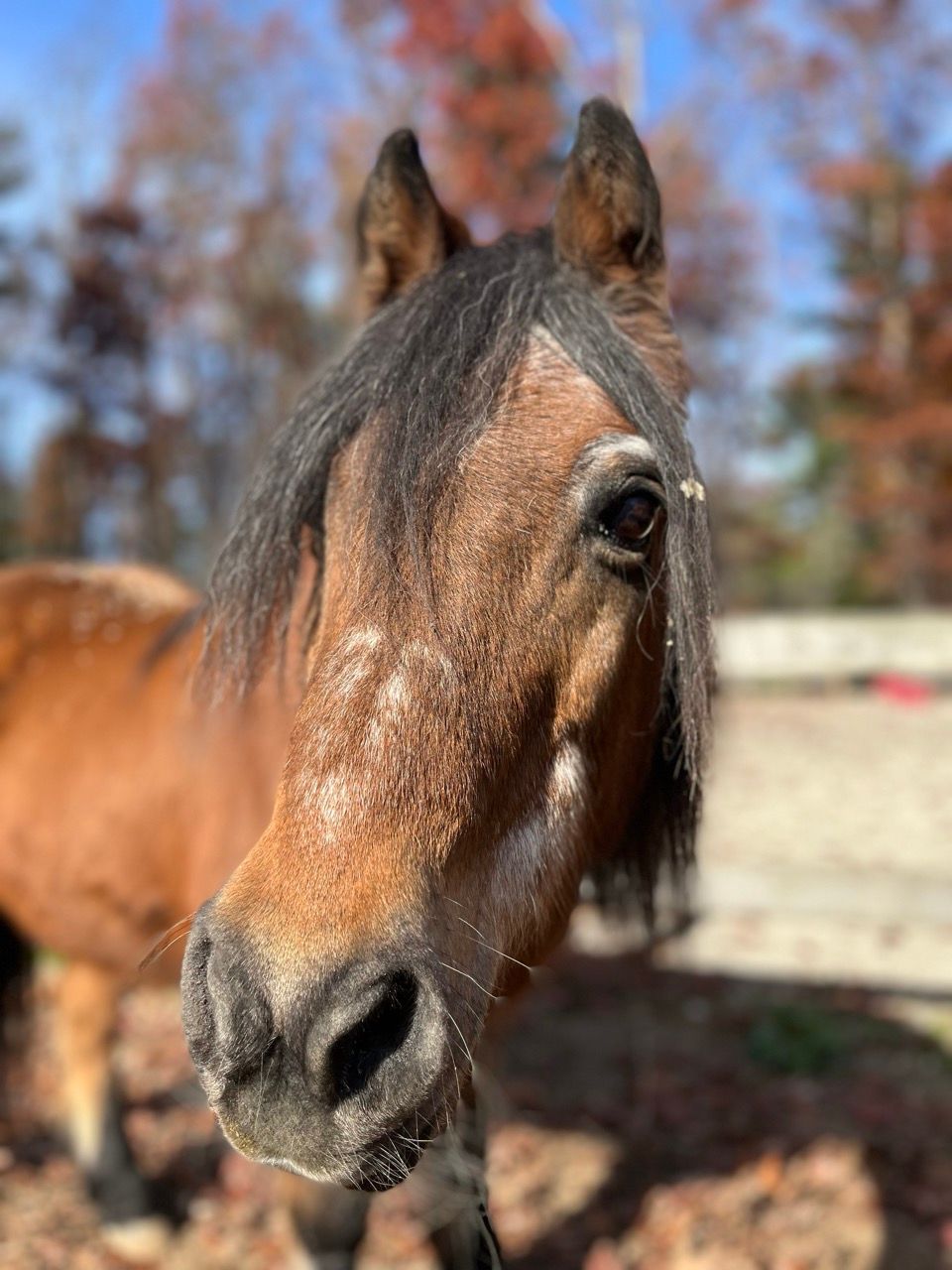
Maybe your once-easy keeper is having a harder time maintaining weight. Their coat seems longer or heavier than it used to. They’re drinking or urinating more, have less energy, or simply don’t seem quite as bright as they did last winter.
While some changes are a normal part of aging, others can be early signs of conditions such as PPID (Cushing’s disease), kidney or liver disease, metabolic changes, chronic inflammation, or other health concerns. Identifying these changes early gives you and your veterinarian the opportunity to investigate what may be going on and, when needed, make adjustments to help keep your horse healthy and comfortable as they age.
Preparing for a Healthy Winter
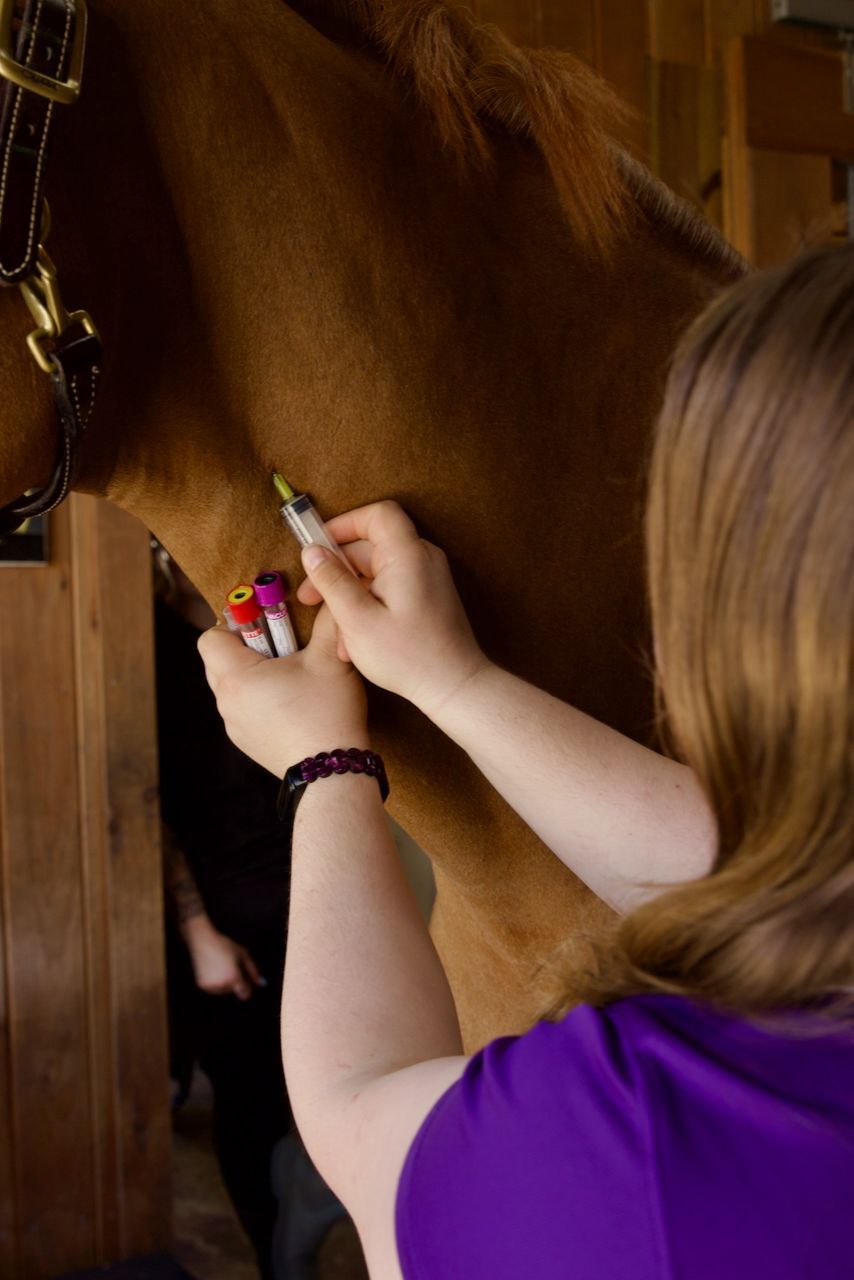
Fall is an ideal time to schedule a wellness evaluation for your senior horse before winter weather adds additional stress.
During the visit, your veterinarian can assess your horse's body condition, discuss nutrition and weight management, review any medications they're taking, and determine whether bloodwork would be beneficial based on their age, health history, and current condition.
A little preventative care now can help avoid bigger problems later—and help your senior horse head into winter feeling their best.
If your older horse isn't quite looking as bright as they were this time last year, or you'd simply like peace of mind before winter arrives, we're happy to help. Contact North Bridge Equine Associates to schedule a wellness examination and discuss whether fall bloodwork is appropriate for your horse.
This article was written by the veterinarians at North Bridge Equine Associates, an ambulatory equine veterinary practice serving horses in Massachusetts and surrounding regions. The information provided is intended for general educational purposes
and is not a substitute for veterinary examination or care.
North Bridge Equine Associates
978-337-1260
Servicing Massachusetts, New Hampshire, and seasonal service to Aiken, South Carolina
Recent Posts