Blog

Home/ Blog

USEF Young Rider European Tour 2026: Behind the Scenes Part 1 - Belgium

Fred Nostrant, DVM • August 10, 2026

USEF Young Rider European Tour 2026:

Behind the Scenes – Part 1
Belgium: A Great Beginning

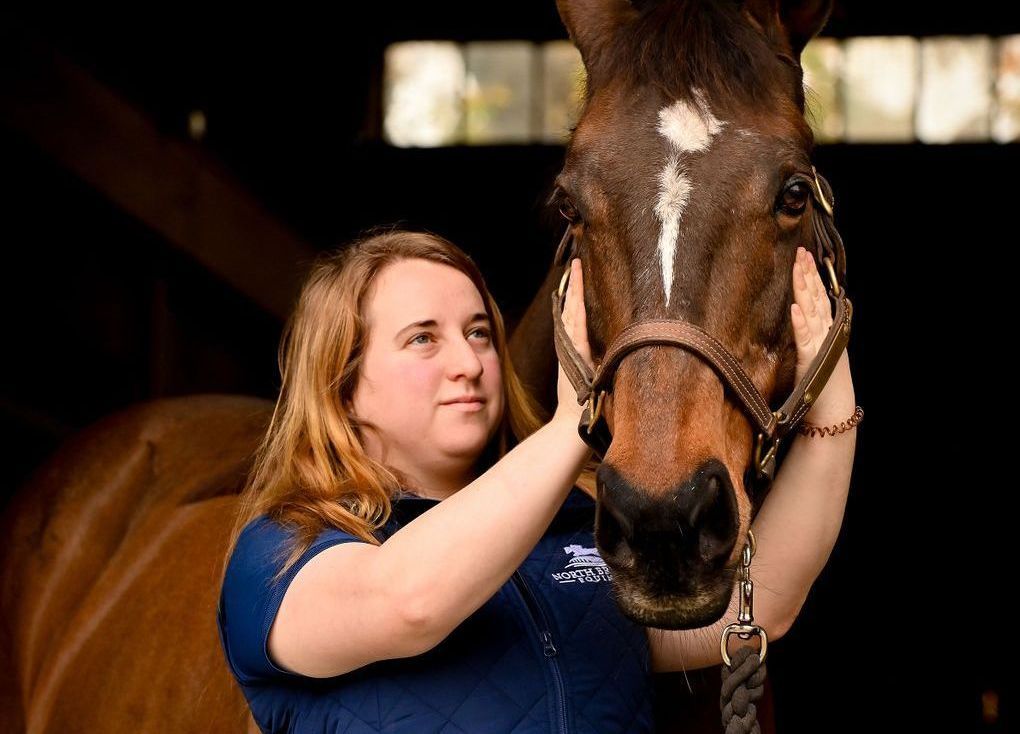
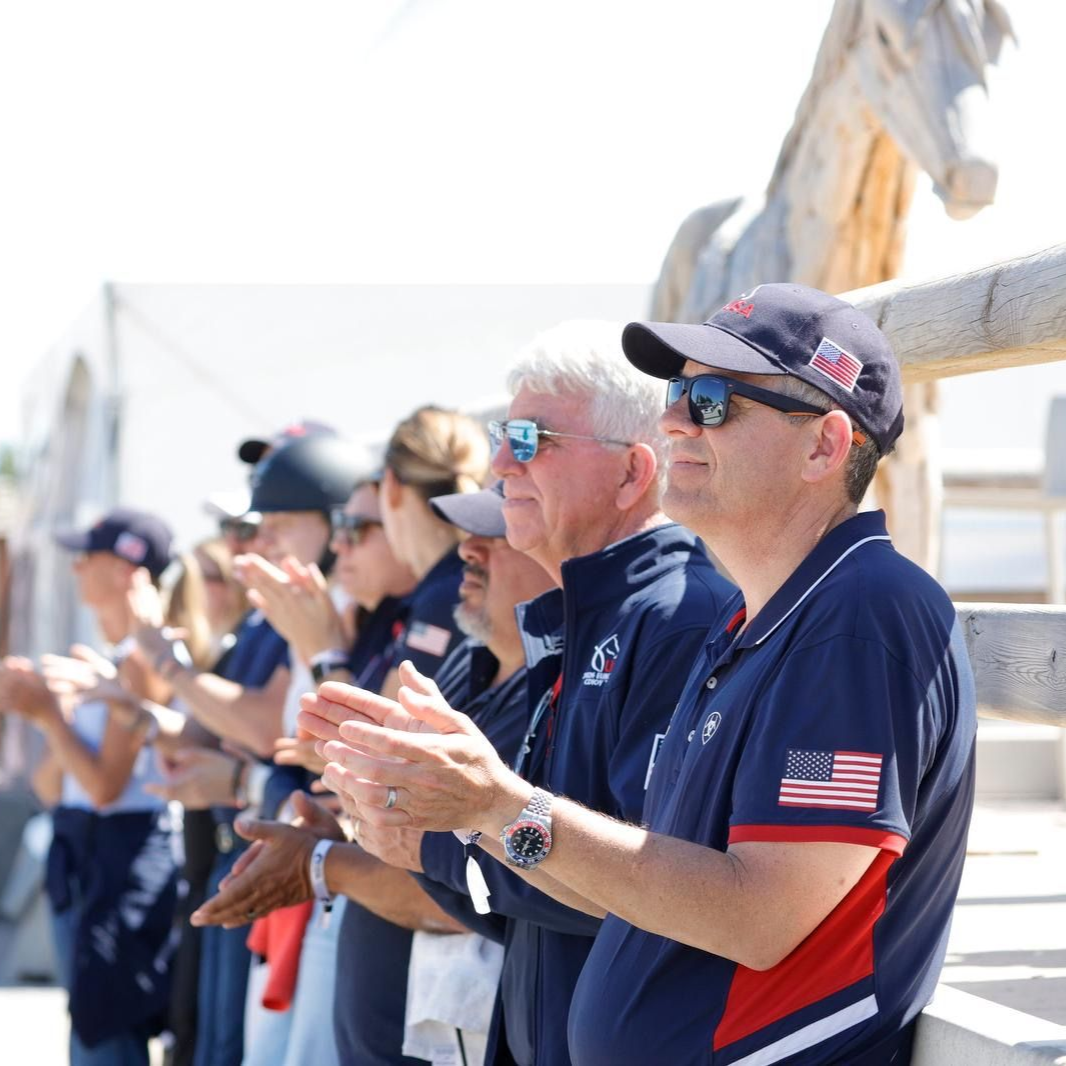
One of the greatest privileges of my career is serving as the veterinarian for the USEF Young Rider European Tour. Each year, a select group of America's top young dressage riders has the opportunity to compete against Europe's best, gaining invaluable international experience while representing the United States.

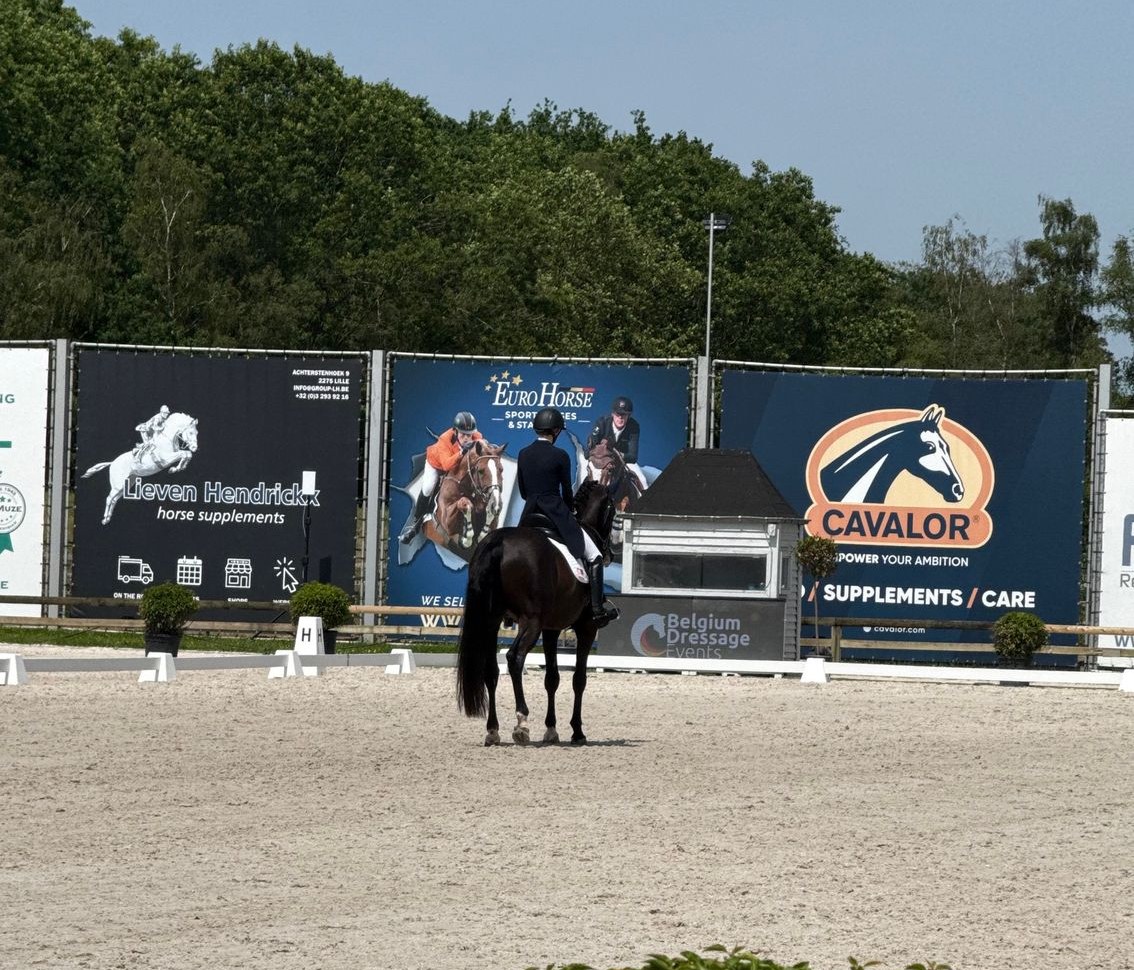
This spring I joined the 2026 team in Lier, Belgium, for the first leg of the tour, where three Young Rider combinations kicked off their international season.
Settling into Europe

By the time I arrived in Belgium, each of the horses had already been in Europe for several weeks, allowing them time to adjust after their overseas flights. They were based at training facilities in Belgium, the Netherlands, and Germany before regrouping at the competition venue.


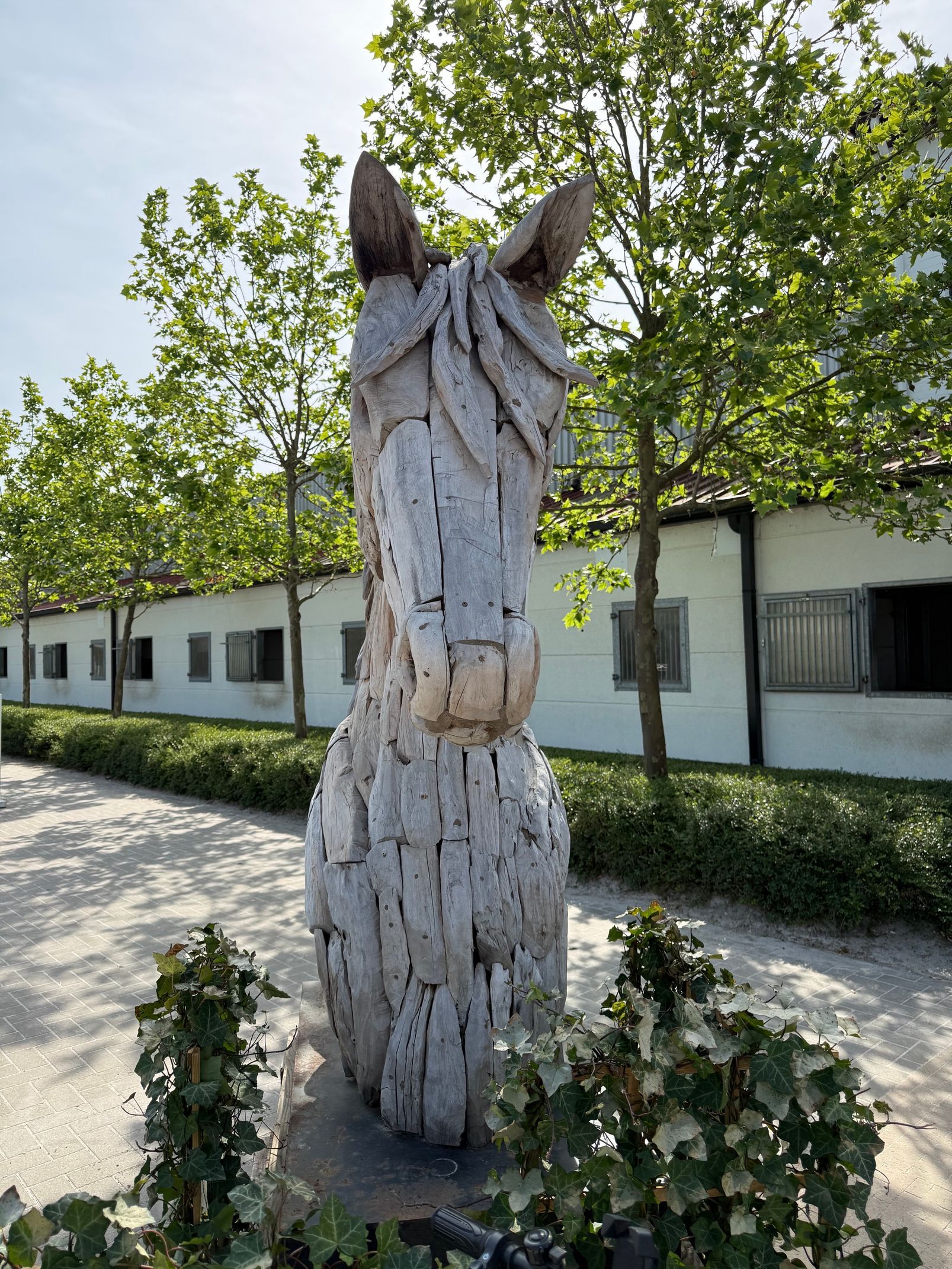
Our destination was HofAzul Equestrian Center in Lier, an outstanding facility that regularly hosts international competition. Like so many European venues, it combines world-class footing, beautiful stabling, and an atmosphere where top-level horses and riders are simply part of everyday life.

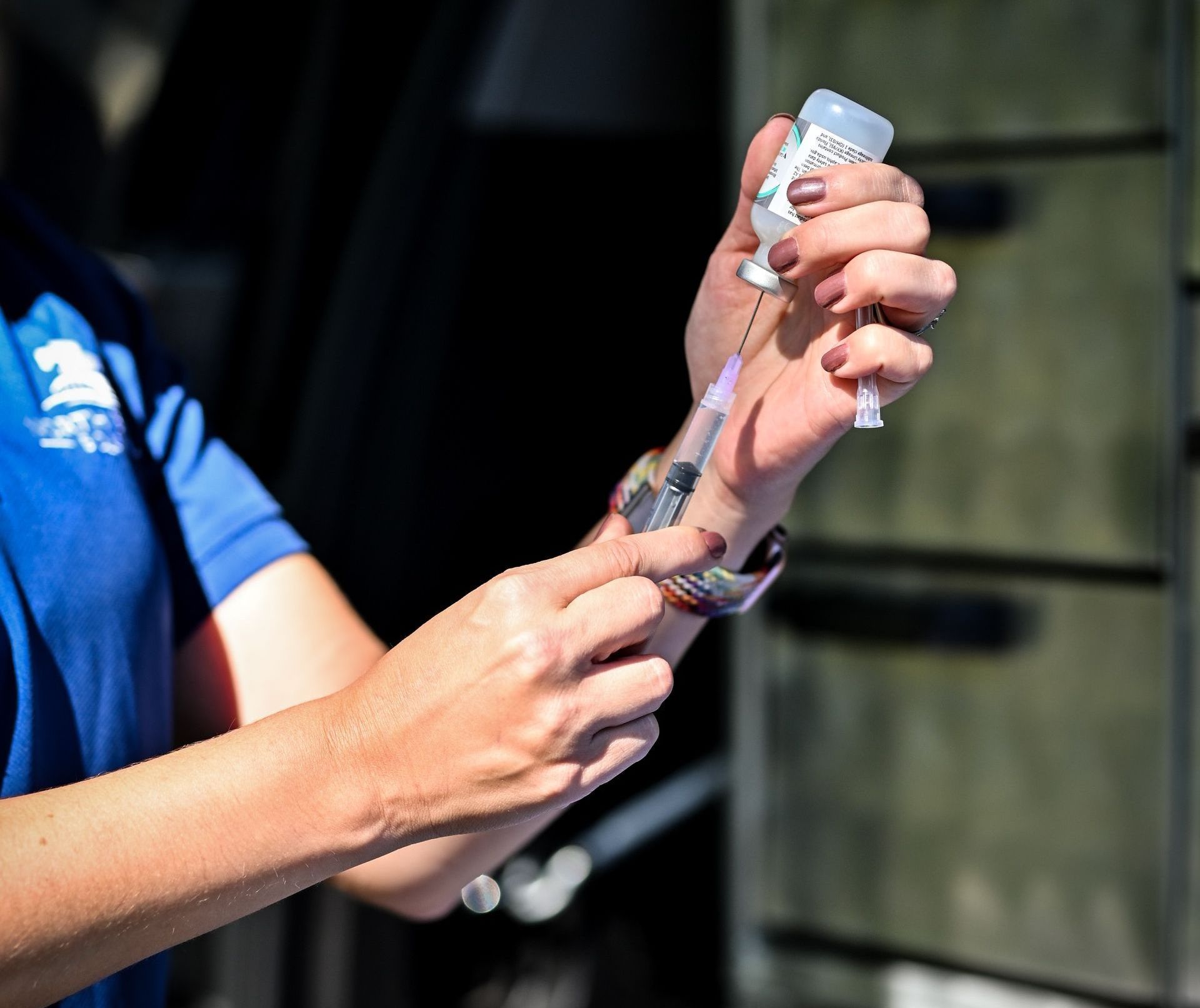
Overall, the horses settled in exceptionally well. One horse arrived feeling a little flat after traveling, but with careful monitoring and supportive IV fluid therapy over the course of the week, quickly returned to normal and was ready to compete.


Keeping horses healthy and performing their best throughout an international tour is about much more than treating illness. Careful attention to hydration, recovery, nutrition, travel stress, overall comfort, and daily monitoring helps keep elite equine athletes performing at their best.
Learning to Compete in Europe

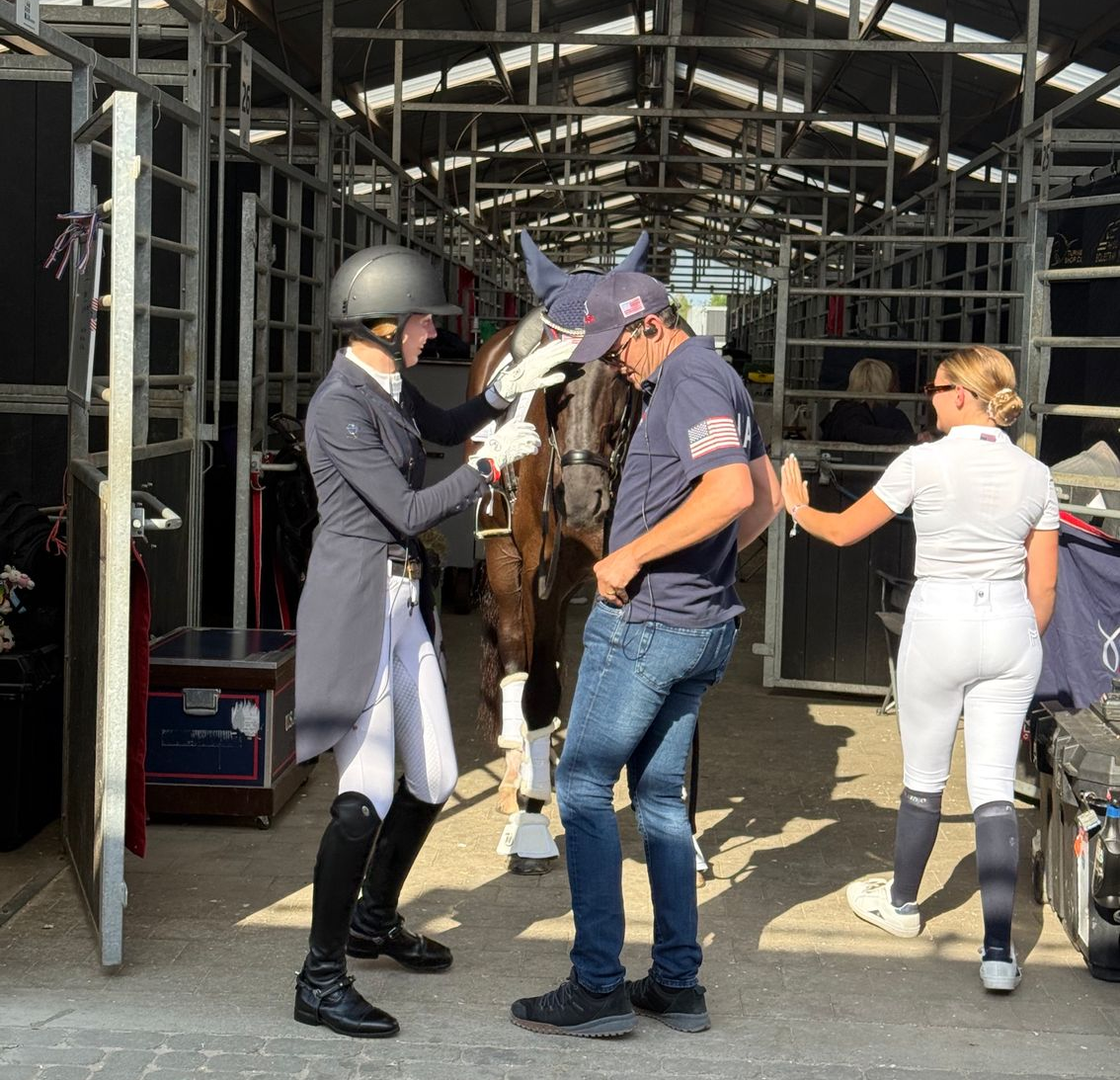
For 2 of the 3 riders, this was their first time competing in Europe.

While dressage may look the same on paper regardless of where you are in the world, the experience is very different. New venues, unfamiliar routines, different judging perspectives, international competitors, and the pressure of representing your country all add layers of complexity that simply can't be replicated at home.


Throughout the week the riders competed in the:

  • Team Test
  • Individual Test
  • Freestyle


While the competition itself mattered, the real takeaway was learning to adapt to the distinct atmosphere of European events—an experience that was eased by sharing it with teammates. Every ride built confidence that would serve them well at the next stop on the tour.
A Team in Every Sense

One of my favorite parts of the week wasn't found inside the competition arena.

It was watching the relationships develop.


The riders genuinely celebrated one another's successes, supported each other through the inevitable challenges, and created an atmosphere that felt like a true team. Their parents, coaches, and support staff contributed to that environment as well, making the experience enjoyable for everyone involved.


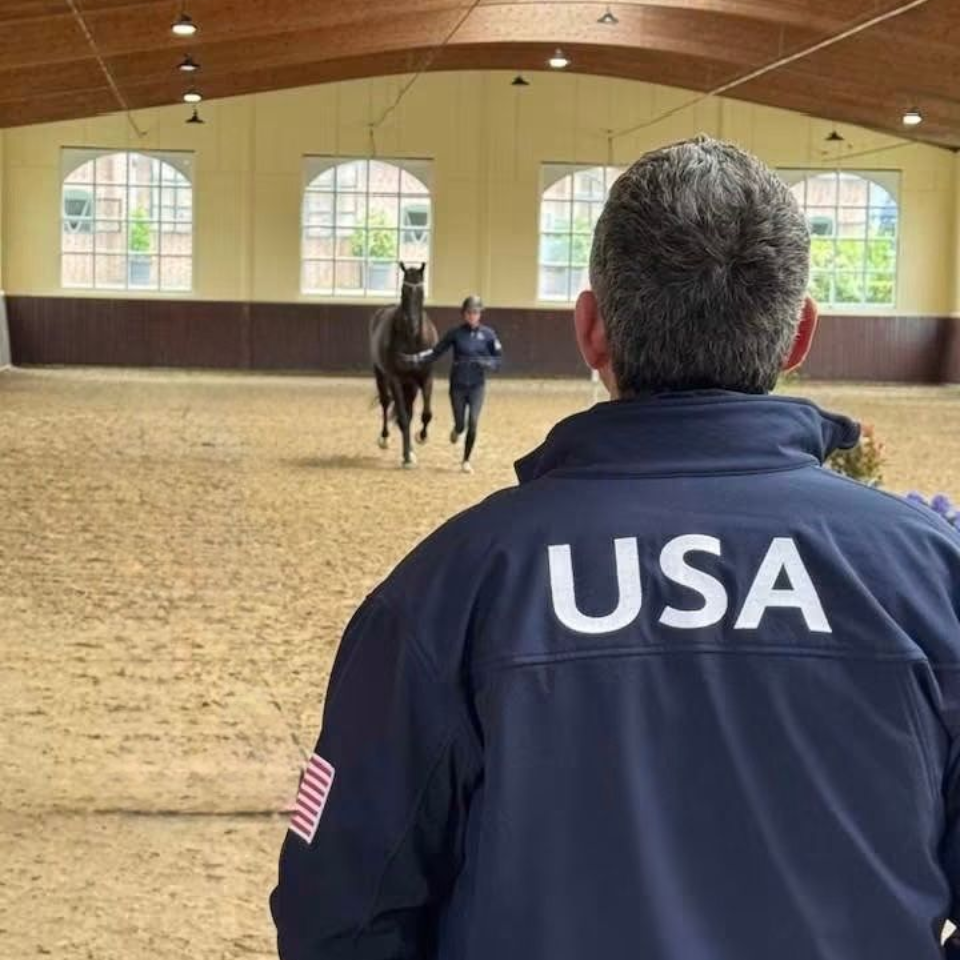
I always enjoy working alongside USEF Chef d'Equipe George Williams and Team Manager Lauren Moore, whose leadership, organization, and positive attitude help create an environment where the riders can focus on doing their best.


While we didn't leave Belgium with the biggest ribbons, every horse-and-rider combination had solid performances and valuable experience. By the end of the week, everyone left feeling optimistic about what was ahead.


With the horses settled back at their European training bases, our focus shifted to preparing for the next major event on the tour: Future Champions in Germany. Four weeks later, the tour's second stop brought us to Germany for Future Champions at Hof Kasselmann, the so-called "Aachen for the youth.".

Recent Posts
North Bridge Equine veterinarian performing chiropractic adjustment on a performance horse
By Fred Nostrant, DVM August 3, 2026
Learn how equine chiropractic care and spinal manipulation can help horses with back pain, neck pain, stiffness, performance issues, and mobility restrictions. Discover the benefits, risks, and what to expect during a chiropractic evaluation.
Equine stifle joint X-ray showing the femur, patella, and tibia in a horse’s hind limb.
By The North Bridge Equine Team June 11, 2026
Learn how the horse’s stifle joint works, common signs of stifle problems, and treatment options including joint injections, IRAP, shockwave therapy, and Adequan from an equine veterinarian.
By North Bridge Equine April 13, 2026
Pasture Management for Springtime Grass After months of barren ground or snow covered fields, we are slowly starting to see the gorgeous signs of spring in New England once again. The horses are shedding and eagerly awaiting any chance they have to nibble some delicious green grass. Below we provide very helpful guidelines for the slow controlled introduction to keep our horses safe and healthy. Horses that always live outside have the benefit of mother nature's slow introduction to grass as it grows through the first weeks of spring. Horses living in stalls with only partial day turnout have to be more strictly controlled in their introduction to pasture to prevent the serious trouble that can occur with too much fresh grass too quickly. Over indulgence in grass can result in gas colic and laminitis. So what can you do to protect your horse from the potential hazards of too much grass too quickly? Here are guidelines to assist you in coming up with a pasture introduction plan: Horses on 2-12 hours a day of pasture: If you have limited pasture but still want your horse to reap the benefits of daily turnout you probably fall into this category. Most horses in a boarding situation with access to grass will be in this group. Take care to closely follow a pre-determined time scale of introduction for these horses. We recommend the following graduated schedule: Days 1-3: 20 min/day Days 4-6: 1hr/day Days 6-9: 2 hrs/day Days 10-12: 3 hrs/day Day 13 and beyond: unlimited in horses who are not overweight or sensitive. You can also use a grazing muzzle (see below) if you need to introduce pasture more rapidly. With a grazing muzzle you can add 20 min per day of turnout until on full turnout. Once on full turn out keep muzzle on for about a week then alternate every other day for a week then it should be safe to remove the grazing muzzle.
Overweight horse with cresty neck and regional fat deposits, illustrating common signs of EMS
By The NBEA Team March 1, 2026
Equine Metabolic Syndrome (EMS) is a common cause of laminitis linked to insulin dysregulation. Learn the signs, diagnosis, and practical management strategies to help your horse stay healthy, comfortable, and thriving with thoughtful veterinary guidance.
By Stephanie R. Shen, DVM February 24, 2026
Learn about vaccines and wellness exams and why both are important for your horse.
Sport horse and rider jumping a green show fence during competition, showing athletic performance
By Fred Nostrant, DVM December 30, 2025
Suspensory ligament injuries in sport horses explained—recovery timelines, rehab expectations, and when it’s safe to return to competition.
Sport horse and rider jumping over a cross country jump in a field
By Stephanie Shen, DVM December 23, 2025
Explore targeted treatments for back pain in performance horses, including diagnosis, therapy options, and strategies to support long-term soundness.
By Stephanie Shen, DVM November 4, 2025
Understand equine IBD and free fecal water syndrome, why they occur, what signs to watch for, and how these conditions are managed.
By North Bridge Equine Team November 4, 2025
Learn about our winter educational seminar and how to register
An equine veterinarian examining a horse's eye
By The NBEA Team October 21, 2025
A blog post by NBEA about equine eye health and the things for horse owners to be aware of and pay attention to regarding the health of their horse's eyes.