Blog
Suspensory Ligament Injuries in Sport Horses: Recovery Timelines and Return to Competition
One of the hardest things I do is share the new that a client’s horse has sustained a soft tissue injury and one most common questions I hear from our clients is: "How long will my horse be laid up?" Unfortunately, when it comes to suspensory ligament injuries, the answer is never as simple as we'd like it to be. But understanding the injury, the healing process, and the factors that influence recovery can help you make informed decisions and set realistic expectations.
Understanding Suspensory Ligament Injuries
The suspensory ligament (technically the interosseous muscle) is a critical structure that supports or “suspends” the fetlock and absorbs concussive forces during the weight bearing phase of the stride. Its origin is the top of the cannon bone just below the knee and ends at the fetlock. In sport horses, suspensory injuries typically occur in one of two locations:
1. Branch injuries (near the sesamoid bones)
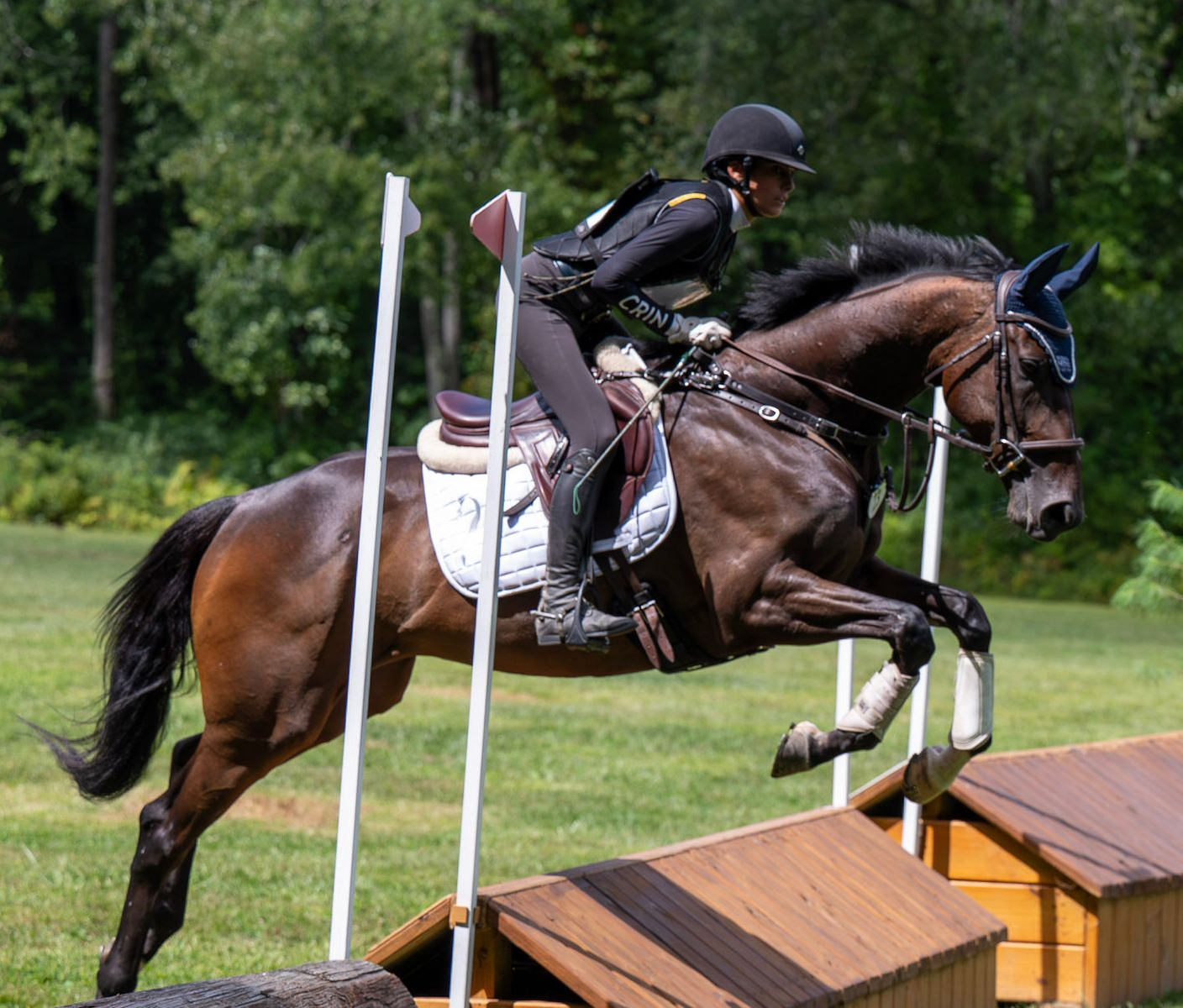
Common in horses landing from jumps or doing sharp turns. Eventers and jumpers frequently injure suspensory branches due to the asymmetric loading during takeoff and landing. Upper-level dressage horses can see chronic injuries to suspensory branches from repetitive stresses from the movements of piaffe, passage and pirouettes.
2. Origin injuries (proximal suspensory desmitis or “High Suspensory” injury)
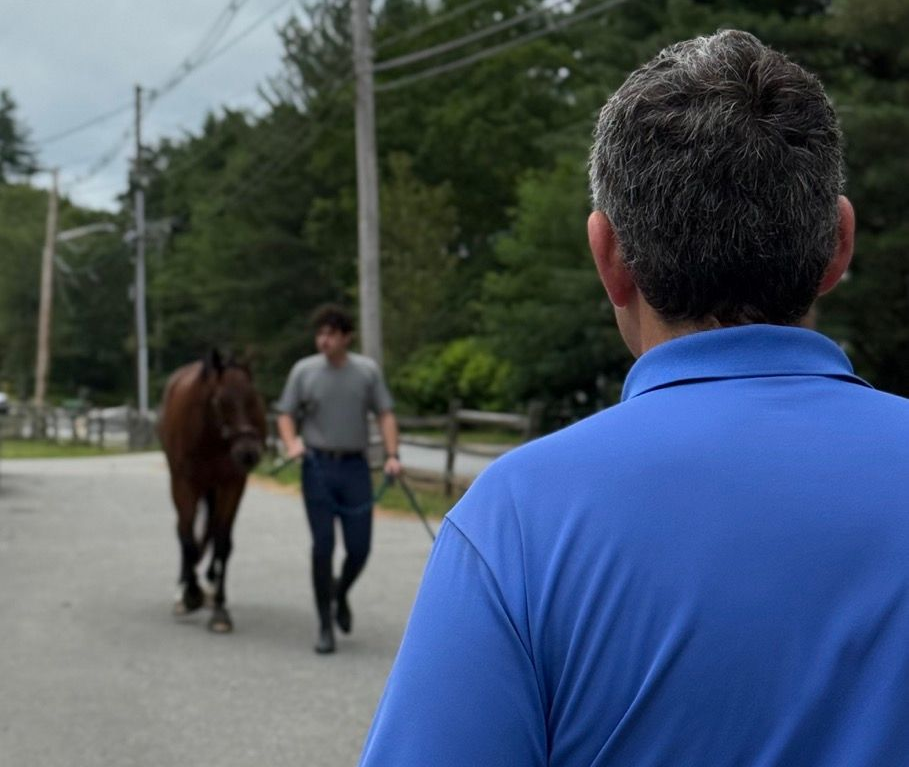
There is not one event or activity that causes proximal suspensory injuries, and they are quite common in sport horses. It can be caused by a severe overloading or “bad” step or can be due to repetitive stress from overwork. High suspensory injuries can be challenging to diagnose definitively. Diagnosis involves combining a careful palpation exam with a through lameness exam and a high-quality ultrasound examination.
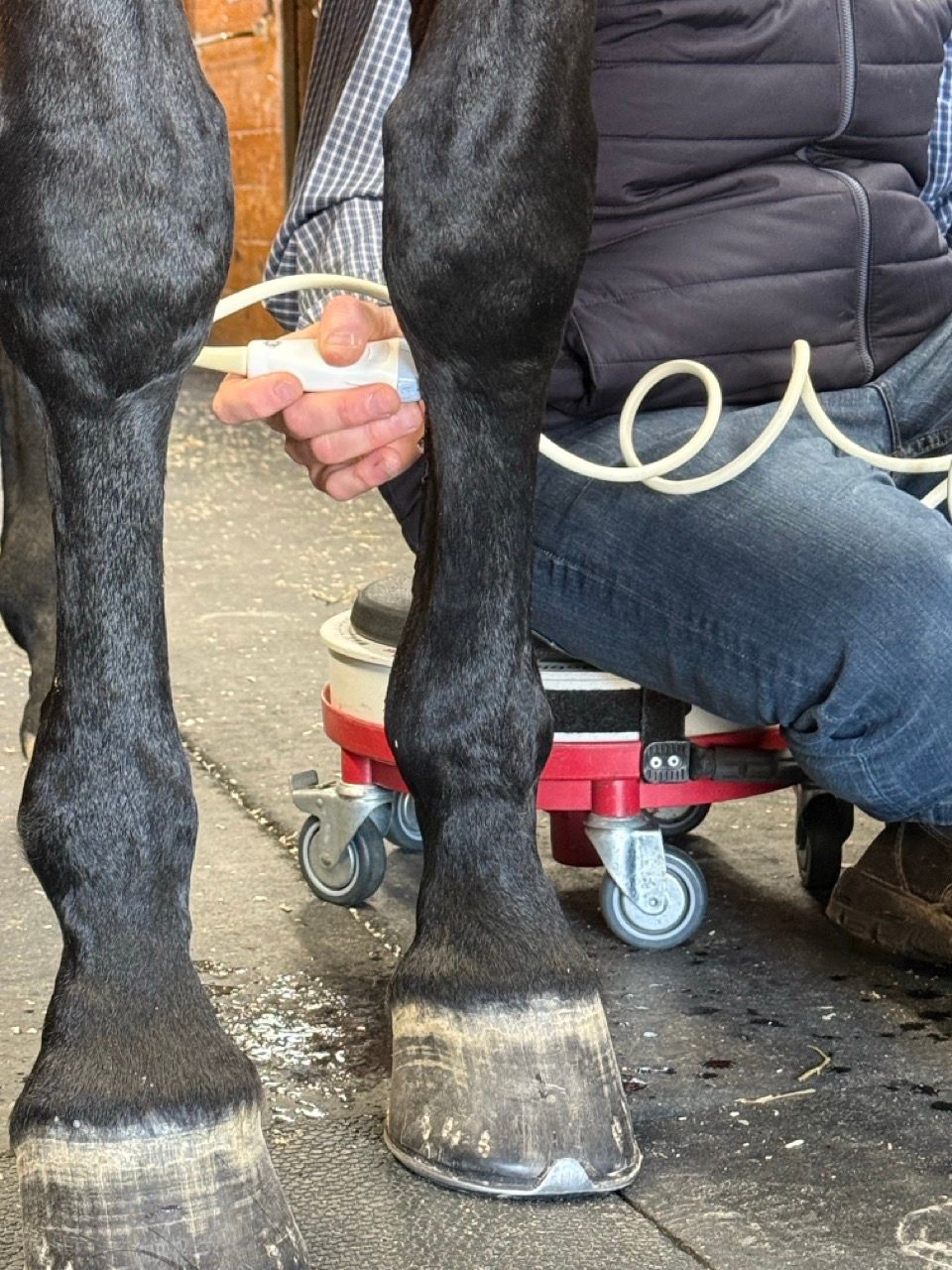
The severity of injury is typically graded on ultrasound which is the most common imaging modality used to diagnose suspensory ligament injuries:
- Grade 1: Less than 25% cross-sectional area affected
- Grade 2: 25-50% cross-sectional area affected
- Grade 3: 50-75% cross-sectional area affected
- Grade 4: Greater than 75% cross-sectional area affected
The Biology of Ligament Healing
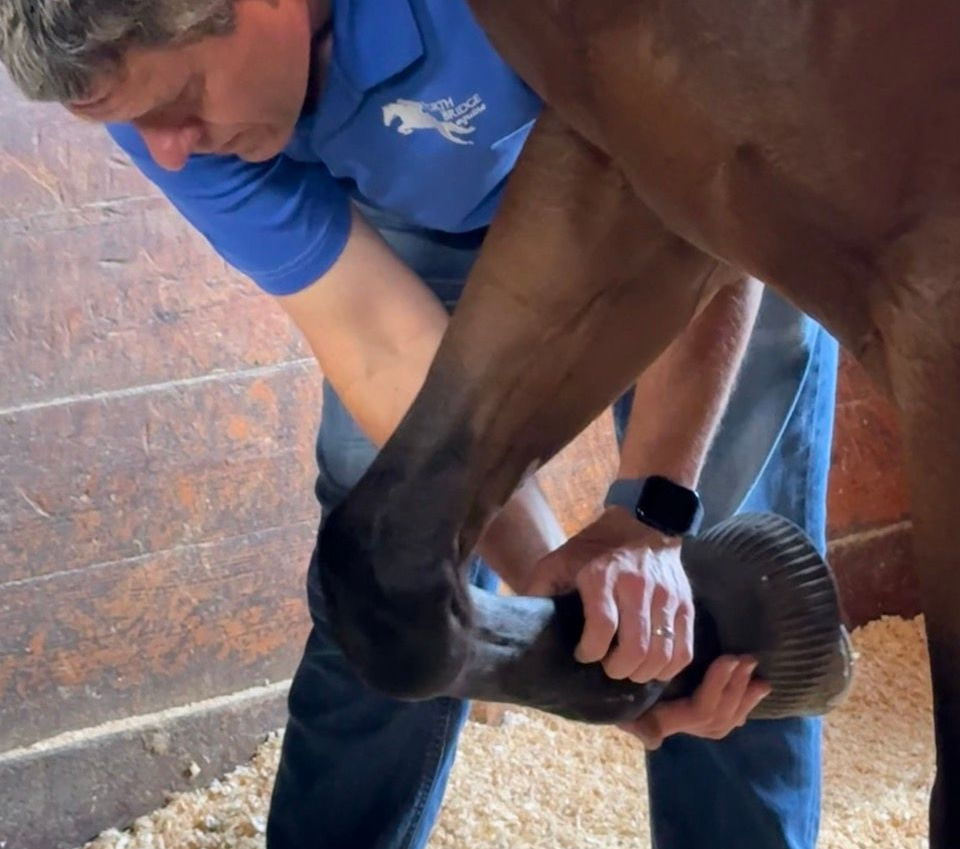
Here's what makes suspensory injuries particularly challenging: ligaments heal slowly and imperfectly.
Ligament tissue has relatively poor blood supply compared to muscle. The blood supply is what brings in the horse’s immune cells to help clean up the injured tissue and promote growth of new healthy tissue.
The healing process occurs in three overlapping phases:
Inflammatory Phase (0-2 weeks): Initial injury response, with hemorrhage and inflammatory cell infiltration to the site of injury. Heat, local pain, and/or swelling can be seen.
Proliferative Phase (2 weeks to 2-3 months): Fibroblasts produce new collagen, but it's initially disorganized and weaker than the original tissue. Think cross hatch pattern instead of straight lines of collagen.
Remodeling Phase (3 months to 12+ months): Collagen fibers gradually reorganize to straight lines and strengthen along lines of stress. This is the longest phase and continues well beyond when the horse appears sound.
The critical point: ultrasound improvement lags behind clinical improvement, and tissue strength lags behind ultrasound improvement. A horse that trots sound at 90 days may still have significant tissue remodeling occurring. This is why careful monitoring with frequent ultrasound exams and controlled rehabilitation over many months is essential.
Recovery Timelines: The Variables
No two suspensory injuries are identical. Recovery time depends on:
Injury severity: A Grade 1 branch injury might return to competition in 3-4 months. A Grade 4 body injury could require 12-18 months or longer.
Location: Branch injuries typically heal faster than origin injuries but are more likely to become chronic. Origin injuries are often the most challenging and may require 12-18 months to fully heal.
Age and previous injury history: Younger horses with first-time injuries generally heal better than older horses or those with recurrent injuries. Scar tissue from previous injuries affects biomechanics and predisposes horses to reinjury.
Discipline demands: A horse returning to Novice eventing faces different demands than one returning to Grand Prix dressage. The timeline must account for the specific performance requirements.
Quality of rehabilitation: This is perhaps the most controllable variable. A structured, progressive rehabilitation program significantly improves outcomes.
General Timeline Framework
While every case is individual, here's a general framework for moderate (Grade 2) suspensory body injuries:
Weeks 0-4: Strict stall rest or small paddock turnout, depending on injury severity. Anti-inflammatory medications, such a bute, banamine, or Surpass, as needed. This allows the acute inflammatory phase to resolve. Hand walking can usually begin at 2-4 weeks.
Weeks 4-8: Hand walking continues, typically at 10-15 minutes daily and increasing, typically 5-10 min per week. Controlled and quiet walking on flat regular surface. Ultrasound check usually at 4-6 weeks to gauge healing and guide the rehab plan.
Weeks 8-16: If healing appropriately, begin under-saddle walk work. Add ground poles at the walk for muscle development and proprioception. Recheck ultrasound at 8-12 weeks guides next steps. Adding trot work depending on healing seen on ultrasound.
Weeks 8-24: Trot work begins (timing depends greatly on severity of injury and amount of healing)—short intervals initially, on straight lines and good footing only. Underwater treadmill or controlled small hill work can be beneficial for muscle development but very dependent on level of healing. Raised poles at the walk (6”-12”) for proprioception. Increased frequency of ultrasound exams can be helpful during this phase to guide progress. Consider every 3-6 weeks.
Months 6-9: Return to full trot work and introduce canter work carefully, beginning with short intervals on straight lines or large circles. Continue recheck ultrasounds every 6-8 weeks.
Months 9-12+: Progressive return to discipline-specific work. For jumpers and eventers, introduce small fences. For dressage horses, carefully reintroduce collection and lateral work. Competition return depends on discipline, level, and individual horse response.
Why Rushing Fails
I've seen many horses backslide in their rehab because riders—understandably eager to return to competition—push the timeline too aggressively.
Here's what often happens: The horse trots sound at 60-90 days. The rider thinks, "Great, we're almost there!" They accelerate the program too quickly. By 4-5 months, the horse is back in moderate work. At 6 months, they return to competition. Three weeks later, the horse is lame again, often with a worse injury than the original.
The problem? The ligament wasn't adequately healed. Ultrasound showed improvement, but tissue strength hadn't caught up with the demands placed on it.
The most common mistake: allowing time off as "treatment" without structured rehabilitation. Resting or even a small paddock alone doesn't create the controlled loading necessary for proper tissue remodeling. Ligaments need progressive, specific stress to remodel along appropriate lines of tension. This is why we use a very regimented rehab schedule.
The Role of Advanced Therapies
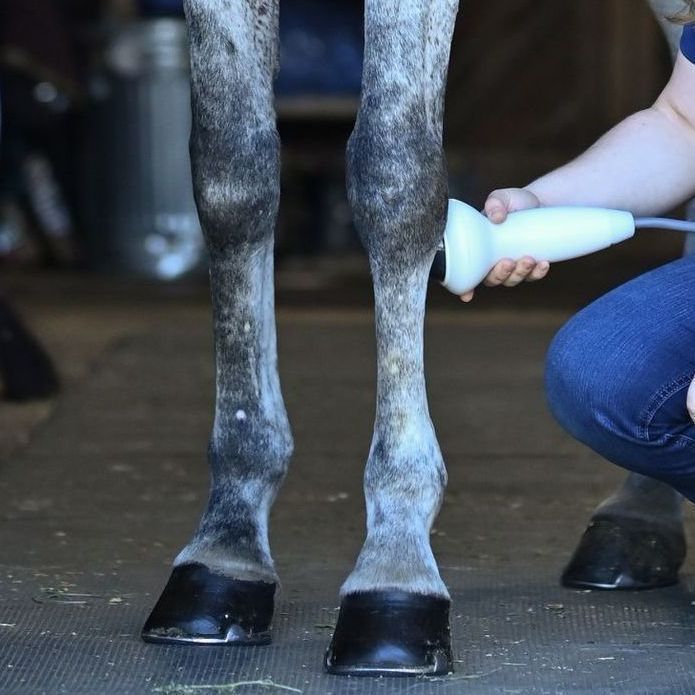
Many clients ask about regenerative or other supportive therapies: stem cells, PRP (platelet-rich plasma), laser, shockwave, and others.
The evidence is growing and we are learning more each month. A great deal of anecdotal evidence and several high quality studies show benefits of the regenerative therapies. In my experience:
- Platelet Rich Plasma (PRP), Bone Marrow Aspirate Concentrate (BMAC), or Stem Cells can improve healing quality in many suspensory injuries, but they don't eliminate the need for controlled rehabilitation or dramatically shorten timelines. These therapies can promote a better healing ligament, but they cannot make the ligament heal faster in my experience.
- Shockwave therapy can be useful in promoting new blood supply and tissue remodeling, but timing and frequency matter.
- Therapeutic ultrasound, Cold Laser (Class III and below) and PEMF (pulsed electromagnetic field therapy) may support blood flow, though evidence is primarily anecdotal.
- Class IV laser therapy (photobiomodulation) has solid evidence supporting its use in suspensory rehabilitation. Higher-power lasers penetrate deep enough to reach the suspensory ligament and promote tissue healing through increased cellular metabolism. Class IV laser treatment accelerates the inflammatory phase, promotes collagen synthesis, and improves local blood flow—all beneficial for ligament healing. The typical protocol involves laser treatments 2-3 times weekly during the first 8-12 weeks post-injury. It's not a shortcut to faster rehabs, but it does optimize the healing environment and often improves tissue quality at recheck ultrasounds, but involves significant time and cost.
None of these therapies are magic bullets. They're tools that, when combined with appropriate time, care, and rehabilitation, may improve outcomes. The rehabilitation program remains the foundation of successful recovery.
Maximizing Success: An Integrated Approach
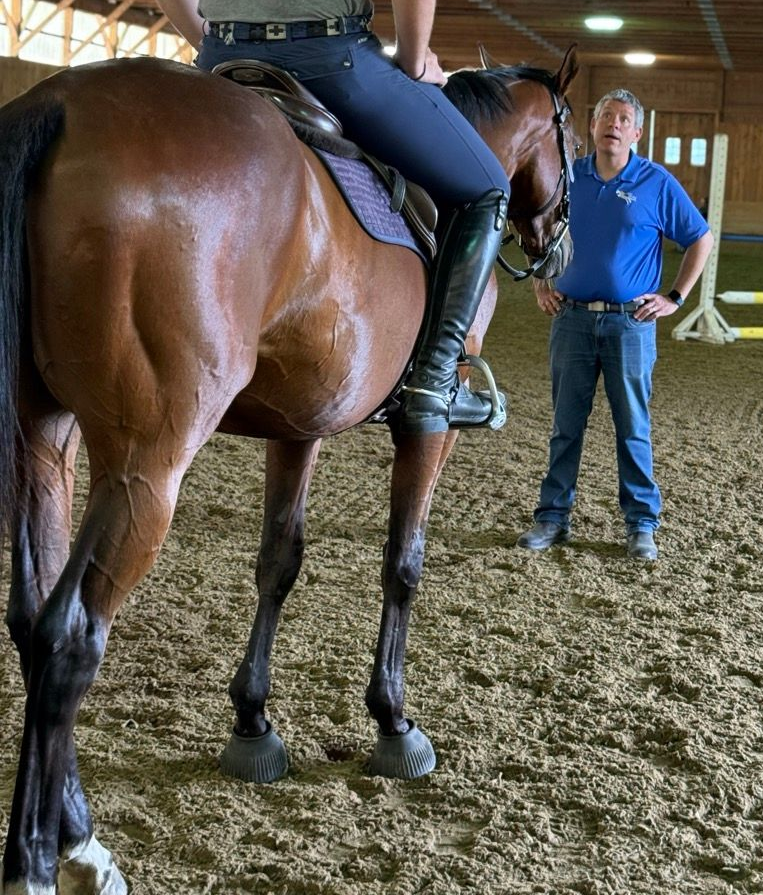
At North Bridge Equine Associates, we take a comprehensive approach to suspensory injuries:
1. Accurate diagnosis: This means a detailed palpation examination, a through lameness examination and a high-quality ultrasound examination by our experienced practitioners. In some cases, we may suggest an MRI study for a more complete picture of the injury. This advanced diagnostic modality helps us to craft a more precise rehab plan and better prognosticate a horse’s return to sport.
2. Individualized rehabilitation protocols: We create specific plans based on injury characteristics, horse signalment, and performance goals. These aren't generic "stall rest for 90 days" prescriptions. We take all the factors into consideration
3. Regular monitoring: Serial ultrasound examinations every 3-6 weeks during rehabilitation allow us to adjust protocols based on healing progress, not just clinical soundness.
4. Integrative veterinary medicine: With two veterinarians certified in acupuncture and two certified in chiropractic treatment, we can address the whole-body compensatory issues that inevitably develop during injury, rest, and rehabilitation. Horses don't just stand still during stall rest—they develop asymmetries, muscular imbalances, soreness in other parts of their body. These compensatory patterns that must be addressed for successful return to work. Acupuncture and chiropractic therapies promote comfort and proper function throughout the rehabilitation process and prepare the horse's entire musculoskeletal system for return to performance.
5. Return-to-work planning: We work with riders and trainers to ensure the return to ridden work is progressive and appropriate for the horse’s discipline. A dressage horse doesn't need to jump but does need careful reintroduction of lateral work and collection.
When to Call Your Veterinarian
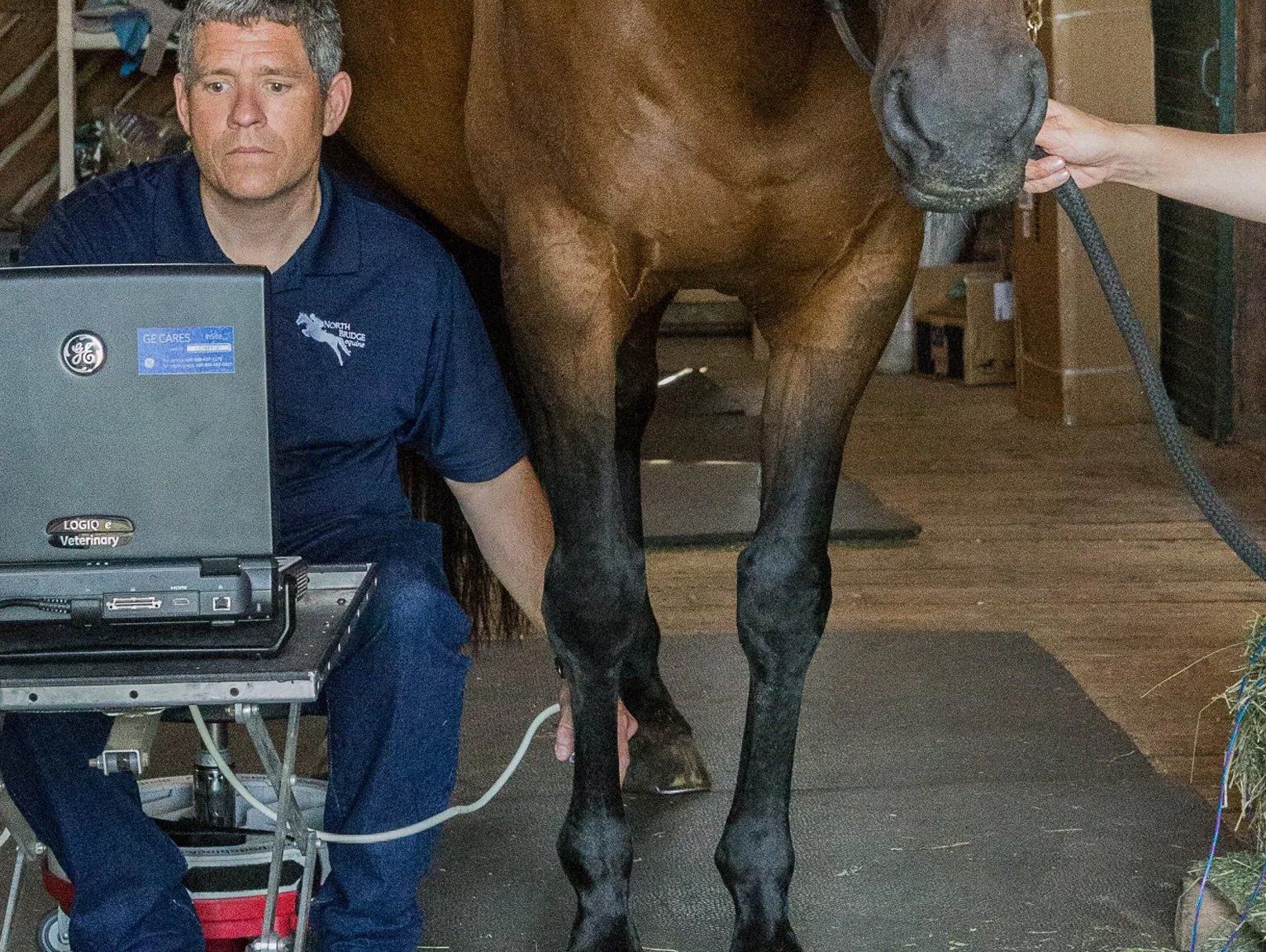
Suspensory injuries don't always announce themselves dramatically. Call your vet if your horse shows:
- Subtle lameness that's worse after work, resolves after a few days of rest, but then returns
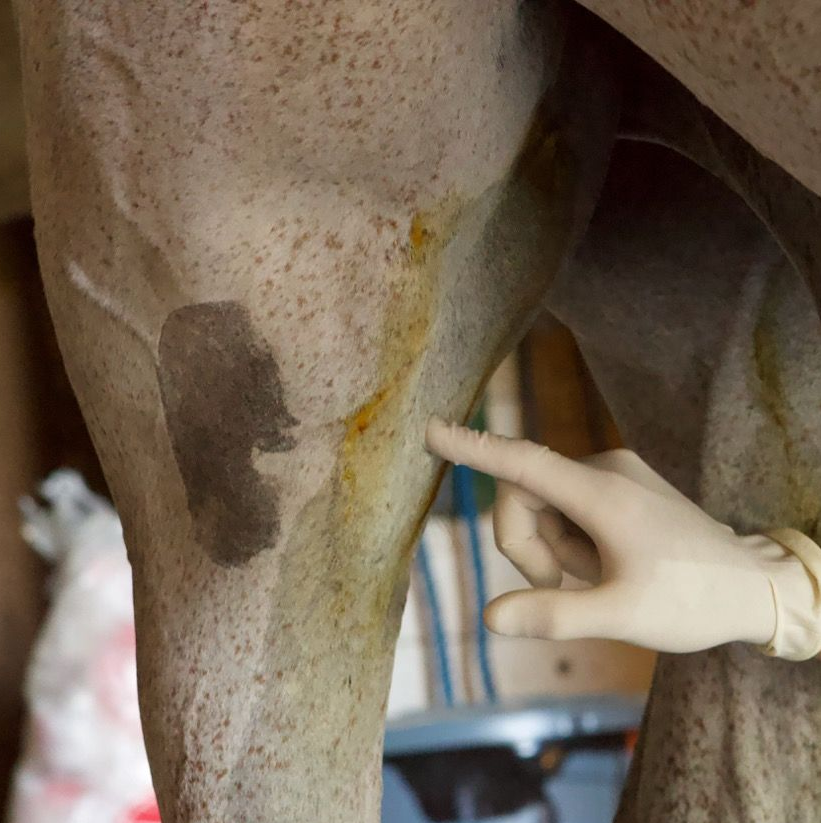
- Swelling or heat along the suspensory ligament either behind the knee or on the sides of the fetlock.
- Slight shortness of stride, reluctance to push from behind, not wanting to take the long spot, or struggling to hold collection.
- Any lameness after a hard workout, awkward movement, or overreach injury
Early diagnosis and treatment significantly improve outcomes. Horses that continue working on mild injuries often progress to more significant injuries that require much longer layoffs.
The Bottom Line
Suspensory ligament injuries test patience. There are no shortcuts, and rushing the process typically means starting over—often with a worse injury. Taking your time pays off!
With accurate diagnosis, appropriate treatment, structured rehabilitation, and realistic expectations, many horses can return to their previous level of work. Success requires partnership between veterinarian, owner, and trainer, with everyone committed to the long-term goal rather than the short-term timeline.
If you suspect your horse has a suspensory injury, or if you're navigating the rehabilitation process and have questions, we're here to help. Our focus on sports medicine means we understand both the medical and performance aspects of getting your partner back to competition soundly.
Contact Us to Schedule a lameness exam
Dr. Fred Nostrant is the Founder and Managing Partner of North Bridge Equine Associates, an equine veterinary practice serving eastern Massachusetts and southern New Hampshire, with winter service to Aiken, South Carolina. He serves on the American Association of Equine Practitioners' Performance Horse Committee and has a passion for lameness diagnosis and treatment of sport horses.
This article was written by the veterinarians at North Bridge Equine Associates, an ambulatory equine veterinary practice serving horses in Massachusetts and surrounding regions. The information provided is intended for general educational purposes and is not a substitute for veterinary examination or care.
North Bridge Equine Associates
978-337-1260
Servicing Massachusetts, New Hampshire, and seasonal service to Aiken, South Carolina
Recent Posts